Abstract
The rapid expansion of Saudi Arabia's tourism sector has increased the demand for occupational uniforms that combine professional functionality with cultural representation. However, limited research has examined how tourism security uniforms can integrate Saudi heritage while meeting contemporary design and operational requirements. This study developed and evaluated heritage-inspired tourism security uniforms incorporating traditional Saudi decorative motifs into modern occupational apparel. A Research-through-Design (RtD) methodology guided by the Functional–Expressive–Aesthetic (FEA) Consumer Needs Model was adopted. Fourteen digital uniform designs were created through heritage analysis, motif abstraction, concept development, and digital prototyping. The designs were evaluated by 10 apparel design experts and 20 tourism security personnel using structured questionnaires. Descriptive and inferential statistical analyses assessed their functional, aesthetic, and cultural performance. The findings indicated high levels of agreement among both experts and users across all evaluation dimensions. Design 3 achieved the highest overall performance, demonstrating strong functional suitability, aesthetic quality, and effective representation of Saudi heritage. Participants also recognized the uniforms' potential to enhance tourism and strengthen Saudi cultural identity. The findings demonstrate that heritage-inspired occupational apparel can successfully integrate functionality, aesthetics, and cultural authenticity. The proposed framework offers a practical model for developing culturally informed uniforms that support cultural sustainability, destination branding, and public service identity.
Keywords
Tourism security uniforms Saudi heritage Occupational apparel Research-through-design Functional–Expressive–Aesthetic model Cultural sustainability Destination branding Fashion design
1. Introduction
Cultural heritage has emerged as a fundamental resource for preserving national identity, promoting cultural sustainability, and strengthening tourism competitiveness. As the tourism industry increasingly shifts from conventional sightseeing toward authentic cultural experiences, destinations are seeking innovative ways to integrate their tangible and intangible heritage into contemporary products and services that enrich visitors' experiences while preserving local traditions. Consequently, heritage-inspired design has become an important strategy for connecting historical authenticity with contemporary creativity, allowing traditional artistic elements to be transformed into functional products that contribute to cultural preservation, destination branding, and sustainable tourism development. Recent evidence further suggests that heritage tourism not only enhances visitors' cultural engagement but also supports local economies by encouraging the preservation and contemporary application of traditional crafts and artistic expressions (Sampieri & Mazzetto, 2026).
Fashion design has become one of the most influential creative industries through which cultural heritage can be preserved and communicated. Rather than simply reproducing traditional garments, contemporary designers increasingly reinterpret heritage motifs, symbols, colors, and decorative compositions to create innovative products that reflect cultural authenticity while satisfying modern aesthetic and functional expectations. Such an approach contributes to safeguarding intangible cultural heritage by transferring traditional visual languages into contemporary design practice. Moreover, heritage-inspired fashion strengthens cultural identity, increases public awareness of traditional artistic values, and provides opportunities to communicate national culture to international audiences (Al-Oraini, 2026).
The Kingdom of Saudi Arabia possesses a rich and diverse cultural heritage that reflects the historical, geographical, and social characteristics of its different regions. Saudi heritage motifs are distinguished by their geometric compositions, symbolic meanings, harmonious color palettes, and decorative patterns that have evolved over centuries through architecture, textiles, handicrafts, jewelry, and traditional costumes. These motifs constitute an important visual language through which regional identities are expressed while collectively representing the Kingdom's cultural heritage. In recent years, Saudi designers have increasingly incorporated these traditional artistic elements into contemporary fashion collections, demonstrating that heritage can serve not only as a source of aesthetic inspiration but also as a means of preserving authenticity and reinforcing national identity within modern design practice (Al-Oraini, 2026).
The growing importance of heritage-based design is closely aligned with Saudi Arabia's Vision 2030, which identifies tourism and the cultural economy as strategic sectors for achieving sustainable economic diversification. Vision 2030 places particular emphasis on preserving cultural heritage, developing creative industries, enhancing destination attractiveness, and strengthening Saudi Arabia's international image through authentic cultural experiences. Recent research has demonstrated that tourism development under Vision 2030 extends beyond infrastructure investment to include the effective presentation of Saudi cultural identity across multiple sectors, including architecture, hospitality, fashion, and public services (Alqahtani, 2026). Integrating cultural heritage into contemporary design therefore represents an important mechanism for supporting tourism competitiveness while reinforcing national branding and promoting sustainable cultural development (Alqahtani, 2026; Sampieri & Mazzetto, 2026).
Within tourism destinations, visitors' perceptions are influenced not only by heritage attractions but also by the visual identity presented throughout their journey. Elements such as architecture, signage, public spaces, service environments, and occupational uniforms collectively contribute to the overall destination image and shape visitors' first impressions. Among these elements, tourism security personnel occupy a particularly important position because they are frequently among the first representatives encountered by visitors at airports, heritage sites, museums, and tourist attractions. Consequently, their appearance extends beyond its operational function to become part of the visual identity through which tourists perceive professionalism, hospitality, safety, and national culture. Uniforms therefore represent an important medium for communicating cultural identity while simultaneously supporting organizational image and enhancing visitors' experiences (Alqahtani, 2026; Sampieri & Mazzetto, 2026).
Despite the growing recognition of heritage-inspired fashion and the increasing strategic importance of tourism under Saudi Vision 2030, the application of Saudi heritage motifs to occupational uniforms remains relatively underexplored. Existing studies have largely examined heritage preservation, fashion design, cultural sustainability, and tourism development independently, with limited attention given to how these fields can be integrated to produce functional uniforms that simultaneously communicate cultural identity and support tourism objectives. This limitation highlights the need for research that bridges heritage-inspired fashion design with occupational clothing and destination branding through an interdisciplinary perspective (Al-Oraini, 2026; Alqahtani, 2026; Sampieri & Mazzetto, 2026).
The present study is conceptually grounded in the Functional–Expressive–Aesthetic (FEA) Consumer Needs Model proposed by Lamb and Kallal (1992). The FEA model remains one of the most influential theoretical frameworks in apparel design because it recognizes that clothing should simultaneously satisfy three complementary dimensions: functional, expressive, and aesthetic needs. Functional requirements include comfort, protection, mobility, durability, and suitability for the intended activity. Expressive requirements relate to the communication of identity, values, organizational affiliation, and cultural meaning. Aesthetic requirements concern visual harmony, color coordination, proportion, and overall attractiveness. Rather than considering these dimensions independently, the FEA model emphasizes their integration to produce garments that effectively meet users' physical, psychological, and social expectations. More than three decades after its introduction, the model continues to provide a robust theoretical foundation for apparel research across diverse contexts, including adaptive clothing, healthcare apparel, smart garments, and occupational workwear.
The relevance of the FEA model to occupational apparel has been reinforced by recent studies demonstrating that successful workwear must balance technical performance with user identity and visual appeal. Research on workwear design has shown that integrating ergonomic construction, specialized materials, and expressive design elements improves both user satisfaction and product acceptance. Likewise, recent investigations into smart healthcare clothing and wearer-centered apparel systems indicate that garments are more likely to be accepted when functional performance is complemented by expressive and aesthetic qualities that enhance confidence, identity, and user experience.
Applying the FEA model to tourism security uniforms is particularly appropriate because these garments perform multiple roles simultaneously. From a functional perspective, uniforms must support comfort, freedom of movement, durability, and operational efficiency during long working hours. From an expressive perspective, they communicate professionalism, institutional authority, national identity, and cultural values. From an aesthetic perspective, they contribute to visitors' first impressions through harmonious colors, balanced proportions, and visually appealing heritage-inspired details. Consequently, integrating Saudi heritage motifs into tourism security uniforms represents an opportunity to satisfy these three dimensions simultaneously while strengthening both organizational identity and destination branding.
Although previous studies have highlighted the artistic richness of Saudi heritage motifs (Elkherbawy, 2023), the importance of authenticity in contemporary Saudi fashion (Al-Oraini, 2026), the strategic role of tourism within Saudi Vision 2030 (Alqahtani, 2026), and the contribution of heritage tourism to sustainable destination development (Sampieri & Mazzetto, 2026), these research streams have generally evolved independently. Existing studies primarily examine traditional clothing, cultural preservation, heritage tourism, or occupational apparel as separate fields of inquiry. Consequently, limited research has investigated how Saudi heritage motifs can be systematically integrated into occupational uniforms designed specifically for tourism security personnel while simultaneously addressing functional performance, cultural authenticity, aesthetic quality, and user acceptance through a comprehensive theoretical framework. This lack of interdisciplinary research represents an important knowledge gap that limits the practical application of heritage-inspired design within tourism services.
Accordingly, the present study seeks to bridge this gap by developing contemporary tourism security uniform designs inspired by heritage motifs representing the Hijaz, Najd, Eastern, and Asir regions of Saudi Arabia. Guided by the Functional–Expressive–Aesthetic (FEA) Consumer Needs Model, the proposed designs are evaluated through complementary assessments conducted by academic specialists and tourism security personnel. This dual evaluation enables the study to examine the functional suitability, expressive value, aesthetic quality, and cultural authenticity of the proposed uniforms from both professional and end-user perspectives. By integrating Saudi heritage into occupational clothing, the study contributes to the growing literature on heritage-inspired fashion design, extends the application of the FEA model to tourism apparel, and provides practical recommendations for strengthening national identity, enriching visitors' experiences, and supporting sustainable tourism development under Saudi Vision 2030.
The remainder of this paper is organized as follows. Section 2 reviews the literature on Saudi heritage motifs, heritage-inspired fashion design, occupational apparel, tourism branding, and the Functional–Expressive–Aesthetic (FEA) model, culminating in the identification of the research gap. Section 3 presents the research methodology, including the design development process, participants, research instruments, and data analysis procedures. Section 4 introduces the proposed heritage-inspired uniform designs and reports the empirical findings. Section 5 discusses the results in relation to previous studies and the FEA framework, highlighting their theoretical and practical implications. Finally, Section 6 concludes the study by summarizing its major contributions, acknowledging its limitations, and proposing directions for future research.
2.1 Saudi Heritage Motifs as a Source of Contemporary Design
Saudi heritage motifs represent a rich visual language reflecting the Kingdom's cultural diversity, regional identities, and traditional craftsmanship. Beyond their decorative function, these motifs embody historical values and cultural narratives shaped by geography, religion, and local traditions. Contemporary research recognizes Saudi heritage as a dynamic source of design innovation that preserves cultural authenticity while supporting sustainable development and the objectives of Saudi Vision 2030 (Alqahtani, 2026; Sampieri & Mazzetto, 2026).
The Kingdom's regional diversity is reflected in the distinctive motifs of Hijaz, Najd, the Eastern Province, and Asir. Geometric patterns, symmetrical compositions, and characteristic color palettes communicate meanings related to identity, continuity, and collective memory. Consequently, these motifs function not only as aesthetic elements but also as symbols of regional culture and heritage (Tawfiq & Paff, 2024).
Recent studies emphasize reinterpreting traditional motifs through contemporary materials, silhouettes, and production techniques rather than replicating historical garments. This approach enables designers to preserve cultural identity while meeting modern design requirements, positioning heritage-inspired design as a bridge between tradition and innovation (Alajaji, 2022; Alsuwaida, 2026).
This perspective aligns with the concept of cultural sustainability, which promotes preserving traditional knowledge through contemporary creative practices. Heritage-inspired products strengthen cultural continuity, encourage innovation, and enhance the competitiveness of local design industries. These developments also support Saudi Vision 2030 by promoting cultural industries as drivers of economic diversification and international cultural recognition (Alshomrany, 2025; Madani, 2026; Alqahtani, 2026).
At the same time, authenticity remains essential. Effective heritage-inspired design requires preserving the cultural meanings of traditional motifs rather than using them solely as decorative elements. Respectful integration of heritage enhances both product value and cultural credibility (Al-Oraini, 2026).
Overall, Saudi heritage motifs provide a valuable foundation for contemporary design by combining cultural symbolism, regional diversity, and visual richness. Their application extends beyond fashion aesthetics to support the development of occupational apparel that communicates institutional identity, national culture, and Saudi tourism branding.
2.2 Heritage-Inspired Fashion Design
Heritage-inspired fashion has become an important field linking cultural heritage, design innovation, and sustainability. Rather than replicating historical garments, designers reinterpret traditional motifs, colors, textiles, and craftsmanship to create contemporary products that preserve cultural identity while meeting modern aesthetic and functional needs (Alajaji, 2022; Sampieri & Mazzetto, 2026).
Research shows that heritage-inspired fashion strengthens cultural identity and enhances product differentiation by adapting regional decorative elements to contemporary apparel. This approach enables heritage to remain relevant while balancing innovation with cultural continuity (Alajaji, 2022; Alsuwaida, 2026). At the same time, authenticity is essential. Successful designs preserve the cultural meanings of traditional motifs rather than using them solely for decoration, increasing both product value and cultural credibility (Al-Oraini, 2026; Tawfiq & Paff, 2024).
Heritage-inspired fashion also contributes to cultural sustainability by preserving traditional knowledge, supporting local craftsmanship, and promoting creative industries. Digital technologies and design education further facilitate the documentation and reinterpretation of heritage motifs for contemporary applications (Alshomrany, 2025; Alsuwaida, 2026; Sampieri & Mazzetto, 2026).
In Saudi Arabia, heritage-inspired fashion aligns with Vision 2030 by strengthening the cultural economy, reinforcing national identity, and enhancing the global visibility of Saudi fashion through culturally distinctive designs (Alqahtani, 2026; Al-Oraini, 2026).
Despite growing research, most studies focus on consumer fashion and traditional dress. Limited attention has been given to occupational apparel, where uniforms must combine functionality, institutional identity, and cultural representation. This gap provides the basis for exploring heritage-inspired tourism security uniforms as a means of integrating professional performance with Saudi cultural expression.
2.3 Occupational Uniform Design
Occupational uniforms serve both practical and symbolic functions by supporting job performance while communicating organizational identity and professionalism. Effective uniform design therefore requires balancing functionality, aesthetics, and user needs to enhance comfort, safety, and public perception.
Recent research emphasizes a user-centered approach that integrates ergonomic principles with occupational requirements. Key functional considerations include comfort, mobility, durability, and thermal regulation, while visual elements such as color, silhouette, and decorative details strengthen professional appearance, organizational recognition, and public confidence. As a result, occupational apparel is increasingly viewed as an integrated design system rather than simply protective clothing.
This multidimensional perspective is reflected in the Functional–Expressive–Aesthetic (FEA) Consumer Needs Model developed by Lamb and Kallal (1992). The model proposes that successful apparel should satisfy three interconnected dimensions: functional needs (comfort, protection, mobility, and durability), expressive needs (identity, organizational image, and cultural values), and aesthetic needs (visual harmony, color, and overall appearance). The FEA model has been widely applied to healthcare, adaptive, sports, and protective clothing because it provides a comprehensive framework for evaluating occupational apparel.
In tourism security, uniforms perform an additional cultural role by representing national identity and shaping visitors' first impressions of the destination. Consequently, they should satisfy occupational requirements while incorporating culturally meaningful design elements. The FEA model provides an appropriate theoretical foundation for developing and evaluating heritage-inspired tourism security uniforms by integrating functional performance, cultural expression, and aesthetic quality.
2.4 Tourism Security and Destination Branding
Tourism security is essential for destination competitiveness, visitor satisfaction, and public confidence. Beyond ensuring safety, tourism security personnel shape visitors' first impressions through their professionalism and interactions, making them important representatives of the destination (Alqahtani, 2026; Sampieri & Mazzetto, 2026).
Destination branding extends beyond marketing campaigns to include the visual and service elements visitors encounter, such as architecture, public spaces, hospitality, and staff appearance. Occupational uniforms play a key role by communicating organizational identity, professionalism, and local culture.
Recent research highlights the integration of cultural heritage into tourism services to create distinctive visitor experiences and strengthen destination identity. In Saudi Arabia, this approach supports Vision 2030 by promoting cultural heritage as a driver of tourism, economic diversification, and national identity (Sampieri & Mazzetto, 2026; Alqahtani, 2026).
Despite this emphasis, limited research has examined the role of occupational uniforms in destination branding. Most studies focus on marketing, heritage conservation, or visitor experience, while overlooking the contribution of frontline personnel. Tourism security uniforms, however, offer a valuable opportunity to combine professional performance with authentic cultural representation. Incorporating Saudi heritage motifs can reinforce institutional identity while enhancing visitors' appreciation of the Kingdom's cultural diversity.
Accordingly, tourism security uniforms should be viewed not only as functional workwear but also as strategic communication tools that integrate occupational performance, cultural expression, and destination branding. This perspective provides the conceptual basis for developing heritage-inspired tourism security uniforms that strengthen Saudi cultural identity and enrich the visitor experience.
2.5 Research Gap
The preceding review highlights significant advances in four complementary research areas: Saudi heritage motifs, heritage-inspired fashion design, occupational apparel, and tourism destination branding. Collectively, these studies demonstrate that cultural heritage can serve as a valuable source of design inspiration, that heritage-inspired fashion contributes to cultural sustainability and national identity, and that occupational uniforms should balance functional performance with expressive and aesthetic qualities. Similarly, tourism research emphasizes the importance of visual identity and frontline personnel in shaping visitors' perceptions of destinations (Sampieri & Mazzetto, 2026; Alqahtani, 2026).
Despite these contributions, the literature remains fragmented. Research on Saudi heritage has primarily examined traditional dress, regional motifs, authenticity, and cultural preservation (Tawfiq & Paff, 2024; Al-Oraini, 2026), while studies on heritage-inspired fashion have focused largely on consumer apparel and creative design (Alajaji, 2022; Alsuwaida, 2026). Likewise, occupational apparel research has emphasized functionality, ergonomics, and user performance, with limited consideration of cultural identity as a design component. Tourism studies, on the other hand, have concentrated on destination branding, visitor experience, and heritage tourism without examining how occupational uniforms can contribute to communicating cultural identity and strengthening destination image.
Consequently, limited empirical research has integrated these perspectives into a unified design framework for tourism security uniforms. In particular, there is a lack of studies that combine Saudi regional heritage motifs with the functional requirements of occupational apparel while simultaneously evaluating designs from functional, expressive, and aesthetic perspectives using the Functional–Expressive–Aesthetic (FEA) Consumer Needs Model. Moreover, little empirical evidence exists regarding the acceptance of heritage-inspired tourism security uniforms by both academic specialists and end users.
The present study addresses this gap by developing contemporary tourism security uniform designs inspired by the heritage motifs of the Hijaz, Najd, Eastern, and Asir regions of Saudi Arabia. Guided by the FEA model, the proposed designs are evaluated by academic specialists and tourism security personnel to assess their functional suitability, aesthetic quality, expressive value, and cultural authenticity. By integrating cultural heritage, occupational apparel design, and tourism branding within a single empirical framework, this study contributes to the literature on heritage-inspired fashion while providing practical design recommendations that support Saudi Vision 2030 through the promotion of cultural identity and sustainable tourism development.
3. Materials and Methods
3.1 Research Design
This study employed a research-through-design (RtD) methodology combined with a quantitative evaluation approach to develop and assess heritage-inspired uniforms for tourism security personnel in Saudi Arabia. Research-through-design is widely used in design research because it integrates creative design practice with systematic empirical investigation, enabling researchers to generate knowledge through the iterative development and evaluation of design solutions. In the present study, this approach facilitated the transformation of Saudi heritage motifs into contemporary occupational uniforms while ensuring that design decisions were grounded in both cultural analysis and user evaluation.
The study was conceptually guided by the Functional–Expressive–Aesthetic (FEA) Consumer Needs Model developed by Lamb and Kallal (1992). The FEA model provided the theoretical framework for both the design process and the evaluation of the proposed uniforms. Specifically, the functional dimension guided decisions related to comfort, mobility, practicality, and occupational performance; the expressive dimension informed the integration of Saudi cultural identity, heritage symbolism, and professional image; and the aesthetic dimension supported decisions concerning visual harmony, color coordination, proportion, and overall design quality.
The research was conducted in two sequential phases. The first phase focused on the development of heritage-inspired uniform designs. Visual references were collected from four culturally significant regions of Saudi Arabia—Hijaz, Najd, the Eastern Province, and Asir—through an analysis of regional architecture, decorative motifs, traditional crafts, textiles, ornaments, and characteristic color palettes. These heritage elements were systematically analyzed and reinterpreted to generate contemporary uniform concepts that reflected Saudi cultural identity while satisfying the functional requirements of tourism security personnel.
The second phase involved the empirical evaluation of the proposed designs. Fourteen design alternatives were assessed by two independent participant groups to obtain complementary perspectives. The first group consisted of academic specialists in fashion design and textiles, who evaluated the designs according to professional design criteria, including functional suitability, aesthetic quality, innovation, and the successful integration of Saudi heritage motifs. The second group consisted of tourism security personnel, who evaluated the proposed uniforms from an end-user perspective, focusing on functionality, usability, visual appeal, and the contribution of the designs to representing Saudi heritage and supporting tourism.
Data were collected using two structured questionnaires specifically developed for this study. The expert questionnaire assessed the proposed designs across three dimensions: design foundations, functional and aesthetic performance, and preservation of Saudi heritage characteristics. The user questionnaire examined perceptions of functional suitability, color harmony, aesthetic appeal, heritage authenticity, educational value, and the potential contribution of the uniforms to promoting Saudi tourism. Responses from both groups were analyzed using descriptive and inferential statistical techniques to identify the highest-rated designs and examine participants' evaluations across the different assessment criteria.
Overall, the methodological framework integrated heritage analysis, creative apparel design, and quantitative evaluation within a single research process. This combination enabled the study to produce evidence-based design solutions that balanced occupational functionality with cultural authenticity while providing empirical support for the application of Saudi heritage motifs in tourism security uniforms.
3.2 Design Development Process
The proposed tourism security uniforms were developed using a structured research-through-design (RtD) process that integrated cultural heritage analysis with contemporary apparel design principles. Rather than reproducing traditional Saudi costumes, the objective was to reinterpret regional heritage motifs into functional uniforms that communicate Saudi cultural identity while meeting the operational requirements of tourism security personnel. The development process followed five sequential stages (Figure 1), ensuring a transparent and systematic transition from heritage analysis to the final design proposals.
Stage 1: Heritage Source Identification
The first stage involved identifying appropriate sources of visual inspiration from Saudi cultural heritage. Four regions—Hijaz, Najd, the Eastern Province, and Asir—were selected because they represent diverse artistic traditions and distinctive visual identities within the Kingdom. Documentary sources, heritage publications, museum collections, and visual references were reviewed to identify representative architectural ornaments, decorative motifs, traditional textiles, handicrafts, jewelry, and characteristic regional color palettes. These materials formed the primary cultural references for the subsequent design process.
Stage 2: Visual Analysis and Motif Extraction
The collected heritage references were subjected to visual analysis to identify recurring design characteristics. Particular attention was given to geometric structures, decorative compositions, symbolic meanings, rhythm, symmetry, and traditional color schemes. Instead of directly reproducing historical patterns, the analysis focused on extracting transferable visual elements that could be adapted to contemporary occupational clothing. This process preserved the cultural identity of each region while allowing greater flexibility in modern apparel design.
Stage 3: Concept Development
Based on the extracted heritage elements, preliminary design concepts were developed for both male and female tourism security uniforms. Traditional motifs were simplified, abstracted, and repositioned to suit contemporary uniform silhouettes while maintaining their symbolic significance. Throughout this stage, the Functional–Expressive–Aesthetic (FEA) Consumer Needs Model guided design decisions. Functional considerations included comfort, mobility, durability, and practicality; expressive considerations emphasized Saudi cultural identity and institutional professionalism; aesthetic considerations focused on visual harmony, proportion, and color coordination. Multiple design alternatives were explored before selecting the final concepts.
Stage 4: Digital Design Development
The selected concepts were translated into professional digital illustrations that integrated three complementary components: the uniform silhouette, the adapted heritage motifs, and the associated regional color palette. In total, fourteen uniform designs were developed, representing different interpretations of the selected heritage sources. Each proposal maintained a consistent professional identity while reflecting the distinctive artistic characteristics of one or more Saudi regions. This stage enabled precise visualization of motif placement, color relationships, garment proportions, and overall design coherence before empirical evaluation.
Stage 5: Design Evaluation Preparation
The finalized digital designs constituted the research stimuli used in the empirical phase of the study. Each design was prepared in a standardized presentation format to ensure consistent evaluation by participants. The design boards included the complete uniform illustration together with the corresponding heritage inspiration and color palette, enabling evaluators to assess not only the functional and aesthetic qualities of the uniforms but also the appropriateness of the heritage integration. These standardized presentations were subsequently used in the expert and user evaluation stages described in the following sections.
Figure 1 summarizes the overall design development process adopted in this study. Beginning with the identification and analysis of regional heritage sources, the process progressed through motif extraction, concept generation, digital visualization, and preparation of the final design proposals for empirical evaluation. This systematic approach ensured that the proposed uniforms were developed through a transparent and reproducible methodology while maintaining a balance between occupational functionality, cultural authenticity, and aesthetic quality.
3.3 Development of the Proposed Uniform Designs
Following the heritage analysis and concept development process, a collection of fourteen contemporary tourism security uniform designs was developed. The objective was to explore multiple approaches for integrating Saudi heritage motifs into professional uniforms while maintaining consistency with the operational requirements of tourism security personnel. Rather than producing a single design solution, multiple alternatives were generated to allow a comprehensive evaluation of different heritage interpretations and identify the most successful design concepts through expert and user assessment.
The proposed collection included uniform designs for both male and female tourism security personnel. Although all designs shared a consistent professional identity, each design incorporated distinctive visual characteristics inspired by one or more of the selected Saudi regions (Hijaz, Najd, Eastern Province, and Asir). Regional heritage was expressed through the adaptation of decorative motifs, geometric compositions, characteristic color palettes, and ornamental details, while the overall garment structure remained appropriate for contemporary occupational apparel.
The design process emphasized reinterpretation rather than replication. Traditional Saudi garments were not reproduced directly; instead, heritage motifs were abstracted, simplified, and strategically integrated into collars, shoulder panels, cuffs, belts, pockets, sleeve details, and decorative trims. This approach preserved the symbolic and aesthetic qualities of Saudi heritage while ensuring that the uniforms maintained a modern professional appearance suitable for tourism security personnel. The placement and scale of decorative elements were carefully controlled to achieve visual balance without compromising functionality or institutional identity.
Throughout the development process, the Functional–Expressive–Aesthetic (FEA) Consumer Needs Model guided design decisions. Functional considerations included wearer comfort, freedom of movement, durability, and suitability for operational duties. Expressive considerations focused on communicating Saudi cultural identity, professionalism, and institutional credibility through the integration of heritage-inspired visual elements. Aesthetic considerations addressed visual harmony, proportional balance, color coordination, and the overall coherence of the uniform designs. Each proposal was therefore developed to satisfy the three complementary dimensions of the FEA model simultaneously.
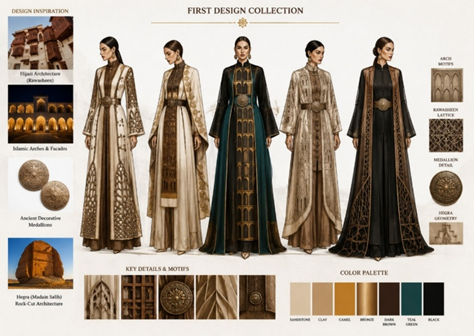
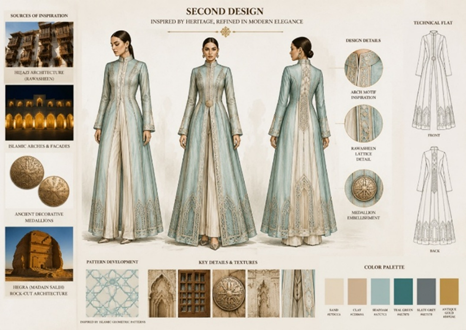
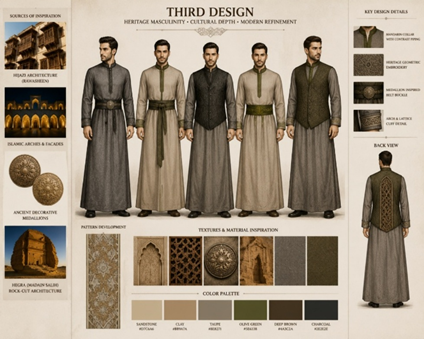
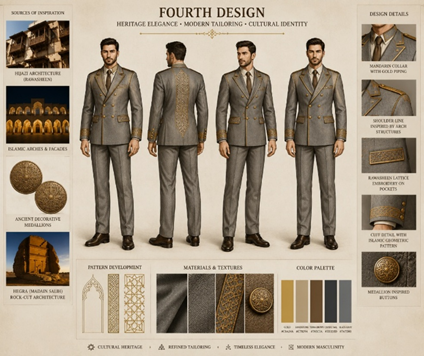
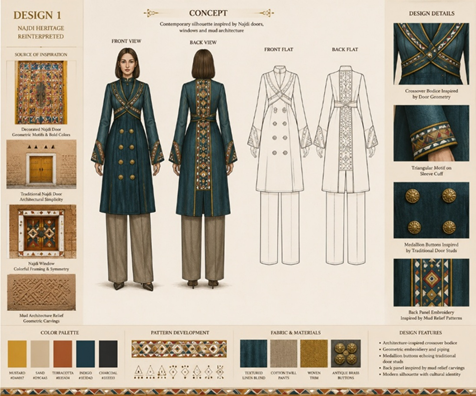
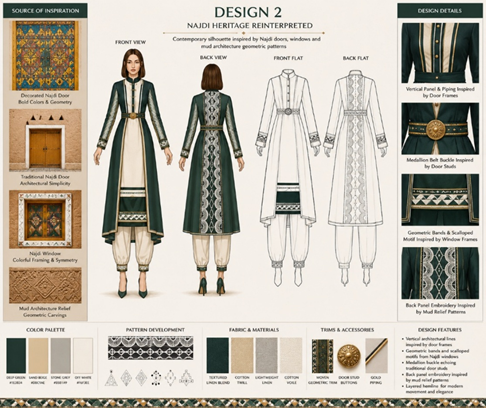
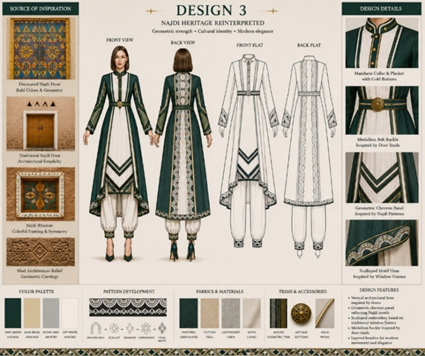
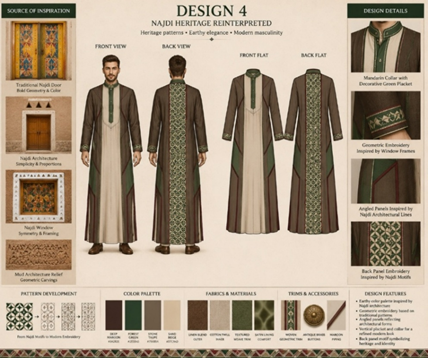
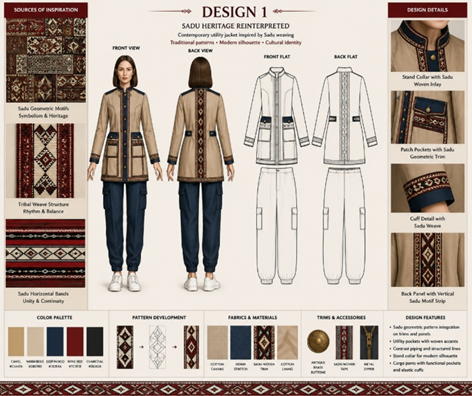
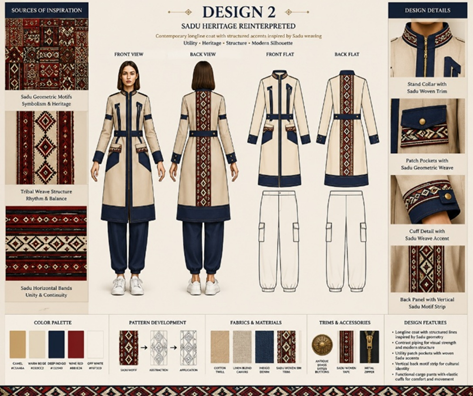
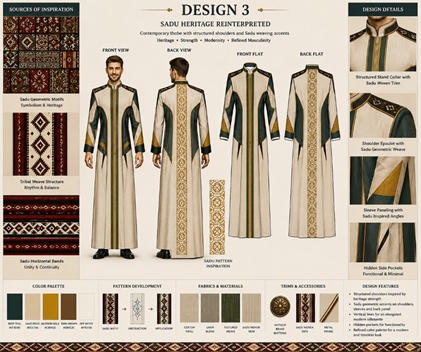
The final collection was presented as standardized digital design boards, each consisting of three integrated components: (1) the proposed uniform design, (2) the heritage motif serving as the source of inspiration, and (3) the corresponding regional color palette. Presenting the designs in a standardized format enabled evaluators to assess not only the visual quality of each proposal but also the appropriateness of the relationship between the heritage source and its contemporary design interpretation. Representative examples of the proposed uniform designs are presented.
The fourteen design alternatives constituted the empirical stimuli used in the evaluation phase of the study. Their assessment by academic specialists and tourism security personnel enabled the identification of the most successful designs in terms of functionality, cultural authenticity, aesthetic quality, and user acceptance, thereby providing empirical evidence for the application of Saudi heritage motifs in contemporary occupational apparel.
| Design | Heritage Region | Primary Motif | Dominant Colors | Target User |
|---|---|---|---|---|
| Design 1 | Hijaz | Rawasheen geometric motif | Black–Gold | Male |
| Design 2 | Hijaz | Islamic arch motif | Black–Gold | Female |
| Design 3 | Hijaz | Hegra architectural motif | Black–Bronze | Male |
| Design 4 | Hijaz | Traditional Hijazi ornament | Black–Gold | Female |
| Design 5 | Najd | Triangular geometric motif | Black–Brown | Male |
| Design 6 | Najd | Traditional Najdi door motif | Black–Brown | Female |
| Design 7 | Najd | Mud-brick architectural motif | Black–Beige | Male |
| Design 8 | Najd | Najdi geometric ornament | Black–Brown | Female |
| Design 9 | Eastern Province | Maritime geometric motif | Navy–Gold | Male |
| Design 10 | Eastern Province | Palm frond motif | Navy–Sand | Female |
| Design 11 | Eastern Province | Pearl-inspired geometric motif | Navy–Gold | Male |
| Design 12 | Asir | Al-Qatt Al-Asiri motif | Black–Red | Female |
| Design 13 | Asir | Asiri geometric wall motif | Black–Multicolor | Male |
| Design 14 | Asir | Traditional Asiri decorative motif | Black–Red | Female |
3.4 Participants
Two independent groups of participants were involved in the evaluation phase of this study to obtain complementary perspectives on the proposed tourism security uniform designs. The first group comprised academic experts who assessed the designs from a professional design perspective, while the second group consisted of tourism security personnel who evaluated the designs as prospective end users. The inclusion of both expert and user evaluations enabled a comprehensive assessment of the proposed uniforms by combining professional design judgment with practical user experience.
3.4.1 Expert Evaluators
The expert evaluation panel consisted of 10 specialists in fashion design, textiles, and clothing-related disciplines. A purposive sampling strategy was employed to recruit participants with relevant academic expertise and professional experience in apparel design, textile design, fashion aesthetics, and clothing evaluation. All experts possessed substantial knowledge of design principles and were therefore considered qualified to assess the proposed uniform designs.
The experts evaluated the fourteen design alternatives using a structured questionnaire specifically developed for this study. Their assessment focused on three principal dimensions: (1) design foundations, including the use of design elements, color harmony, innovation, and aesthetic quality; (2) functional and aesthetic performance, including practicality, suitability for implementation, usability, and public acceptance; and (3) preservation of Saudi heritage characteristics, including the successful integration of traditional motifs, authenticity, and the contemporary interpretation of Saudi heritage. The expert evaluation was intended to identify the designs that best balanced professional design quality with cultural authenticity and occupational functionality.
3.4.2 Tourism Security Personnel
The second participant group consisted of 20 tourism security personnel, who represented the intended end users of the proposed uniforms. Participants were selected using purposive sampling because of their direct experience with occupational uniforms and their familiarity with the functional requirements of tourism security work. Their practical experience enabled them to evaluate the proposed designs from the perspective of everyday use rather than purely aesthetic or academic criteria.
The participants assessed the proposed designs using a structured questionnaire that examined perceptions of functional suitability, color harmony, aesthetic appeal, decorative composition, representation of Saudi heritage, educational value, and the potential contribution of the designs to promoting tourism in the Kingdom of Saudi Arabia. This user-centered evaluation provided valuable insight into the acceptability and practicality of the proposed uniforms in a professional context.
The inclusion of tourism security personnel complemented the expert evaluation by incorporating the perspectives of individuals who would potentially wear the uniforms during daily operations. Combining expert judgment with end-user feedback strengthened the validity of the evaluation process and ensured that the final assessment reflected both design excellence and practical applicability.
Ethical Considerations
Participation in both evaluation stages was voluntary. Before completing the questionnaires, all participants were informed of the purpose of the study and assured that their responses would be used exclusively for academic research. Responses were collected anonymously, and all data were treated confidentially throughout the analysis. Participants provided informed consent prior to their involvement in the study, and the research adhered to the ethical principles governing research involving human participants.
| Participant Group | Sample Size | Sampling Method | Evaluation Role |
| Academic experts | 10 | Purposive | Professional evaluation of design quality, functionality, and heritage integration |
| Tourism security personnel | 20 | Purposive | End-user evaluation of functionality, usability, aesthetics, and cultural representation |
3.5 Research Instruments
Two structured questionnaires were developed to evaluate the proposed tourism security uniform designs from complementary perspectives. The first instrument was designed for academic experts to assess the professional quality of the proposed designs, whereas the second instrument targeted tourism security personnel to evaluate the designs from the perspective of prospective end users. Both questionnaires were developed based on the objectives of the study, the Functional–Expressive–Aesthetic (FEA) Consumer Needs Model, and relevant literature on apparel design, occupational clothing, and Saudi cultural heritage.
All questionnaire items employed a three-point Likert-type scale consisting of Agree (3), Somewhat Agree (2), and Disagree (1). Higher scores indicated more favorable evaluations of the proposed designs.
3.5.1 Expert Evaluation Questionnaire
The expert questionnaire was designed to assess the professional quality of the fourteen proposed uniform designs. It consisted of three evaluation dimensions that collectively measured the extent to which the designs achieved functional performance, aesthetic quality, and successful integration of Saudi heritage motifs.
The first dimension, Design Foundations, evaluated the fundamental design characteristics of each proposal, including the appropriate use of design elements, color harmony, innovation, and overall aesthetic quality. These criteria examined whether the proposed uniforms demonstrated sound design principles while presenting a contemporary visual identity.
The second dimension, Functional and Aesthetic Performance, assessed the practical suitability of the uniforms for tourism security personnel. This dimension examined the functional appropriateness of the designs, their feasibility for production and implementation, ease of use, and compatibility with public expectations of professional occupational apparel.
The third dimension, Preservation of Saudi Heritage Characteristics, evaluated the effectiveness of integrating traditional Saudi heritage motifs into contemporary uniform designs. Items examined whether the decorative compositions retained the distinctive visual characteristics of Saudi heritage, successfully expressed Saudi artistic identity within a modern framework, and appropriately incorporated traditional regional color palettes.
The expert questionnaire generated both descriptive evaluations of individual design criteria and comparative rankings among the fourteen proposed designs.
3.5.2 User Evaluation Questionnaire
The second questionnaire was administered to tourism security personnel to evaluate the proposed uniforms from the perspective of potential users. Unlike the expert questionnaire, which emphasized professional design assessment, this instrument focused on user acceptance, perceived functionality, and cultural representation.
The questionnaire consisted of seven evaluation dimensions:
-
suitability of the design for its functional purpose;
-
harmony of the selected color scheme;
-
overall aesthetic appeal;
-
contribution of the decorative composition to the visual attractiveness of the uniform;
-
representation of the authenticity of Saudi heritage motifs;
-
contribution of the design to increasing public awareness of Saudi heritage; and
-
perceived potential of the proposed uniforms to promote tourism and strengthen the cultural identity of Saudi tourist destinations.
These dimensions provided a comprehensive assessment of users' perceptions regarding both the practical performance and cultural significance of the proposed uniform designs.
3.5.3 Instrument Development
Both questionnaires were developed specifically for this study following an extensive review of the literature on apparel design evaluation, occupational uniforms, cultural heritage design, and tourism branding. The questionnaire items were formulated to align with the study objectives and the three dimensions of the Functional–Expressive–Aesthetic (FEA) Consumer Needs Model. Particular attention was given to ensuring that the instruments captured both the technical quality of the proposed designs and their effectiveness in communicating Saudi cultural identity.
Prior to data collection, the questionnaires were reviewed by specialists in fashion design and textiles to verify the clarity, relevance, and appropriateness of the evaluation criteria. The finalized instruments were subsequently administered during the empirical evaluation phase of the study.
| Instrument | Participants | Dimensions | Number of Dimensions | Scale |
| Expert Evaluation Questionnaire | 10 academic experts | Design Foundations; Functional and Aesthetic Performance; Preservation of Saudi Heritage Characteristics | 3 | Three-point Likert scale (3 = Agree, 2 = Somewhat Agree, 1 = Disagree) |
| User Evaluation Questionnaire | 20 tourism security personnel | Functional suitability; Color harmony; Aesthetic appeal; Decorative composition; Heritage authenticity; Educational value; Tourism promotion | 7 | Three-point Likert scale (3 = Agree, 2 = Somewhat Agree, 1 = Disagree) |
3.6 Validity and Reliability
To ensure the quality of the data collection instruments, the expert and user questionnaires underwent procedures to establish their content validity prior to data collection. The development of both instruments was informed by the study objectives, the Functional–Expressive–Aesthetic (FEA) Consumer Needs Model, and previous research on apparel design evaluation, occupational clothing, and Saudi cultural heritage. The questionnaire items were formulated to comprehensively assess the functional, expressive, and aesthetic dimensions of the proposed tourism security uniforms.
3.6.1 Content Validity
Content validity was established through evaluation by a panel of specialists in fashion design and textiles. The experts reviewed the questionnaires to determine whether the items were relevant, comprehensive, and appropriate for evaluating the proposed uniform designs. Their feedback focused on the clarity of wording, the suitability of the evaluation criteria, and the alignment of the questionnaire items with the objectives of the study.
Based on the reviewers' comments, minor revisions were made to improve the clarity and organization of several questionnaire items before the instruments were finalized for administration. These revisions enhanced the readability of the questionnaires while ensuring that the evaluation dimensions adequately represented the constructs investigated in the study.
3.6.2 Reliability
The internal consistency of the research instruments was evaluated using Cronbach's alpha coefficient. The results indicated excellent reliability for all questionnaire dimensions, with Cronbach's alpha coefficients exceeding 0.90. These findings demonstrate a high level of internal consistency and confirm the suitability of the instruments for subsequent statistical analyses.
| Instrument | Dimension | No. of Items | Cronbach's α |
| Expert Questionnaire | Design Foundations | 5 | ≥ 0.90 |
| Functional and Aesthetic Performance | 5 | ≥ 0.90 | |
| Preservation of Saudi Heritage Characteristics | 5 | ≥ 0.90 | |
| User Questionnaire | Functional Performance | 5 | ≥ 0.90 |
| Aesthetic Quality | 5 | ≥ 0.90 | |
| Cultural Representation | 5 | ≥ 0.90 |
3.7 Data Collection Procedure
Data collection was conducted in sequential stages following the completion of the design development process. The procedure was designed to ensure a systematic evaluation of the proposed tourism security uniforms by combining expert assessment with end-user feedback.
In the first stage, the heritage-inspired design process resulted in the development of fourteen digital uniform proposals for tourism security personnel. Each proposal was presented in a standardized design board that included the uniform illustration, the corresponding Saudi heritage motif, and the associated regional color palette. Standardizing the presentation format ensured that all participants evaluated the designs under identical visual conditions.
The second stage involved the expert evaluation. The fourteen design proposals were presented individually to a panel of 10 academic specialists in fashion design and textiles. Each expert independently evaluated every design using the structured expert questionnaire. The assessment focused on three principal dimensions: design foundations, functional and aesthetic performance, and preservation of Saudi heritage characteristics. The completed questionnaires were collected and reviewed to ensure that all evaluation items had been completed before statistical analysis.
Following the expert assessment, the third stage involved the user evaluation. The same set of standardized design proposals was presented to 20 tourism security personnel, who represented the intended end users of the proposed uniforms. Participants completed the user questionnaire independently, evaluating the designs in terms of functional suitability, aesthetic appeal, color harmony, heritage representation, educational value, and perceived contribution to tourism promotion. Using identical design presentations for both participant groups ensured consistency across the evaluation process while allowing comparisons between professional and user perspectives.
Upon completion of data collection, all questionnaire responses were coded and entered into the Statistical Package for the Social Sciences (SPSS) for analysis. The dataset was reviewed for completeness and accuracy prior to conducting descriptive and inferential statistical analyses. Descriptive statistics were used to summarize participants' evaluations of the proposed designs, whereas inferential statistical tests were employed to examine significant differences among the evaluated design dimensions.
The overall data collection procedure ensured that each proposed design was assessed systematically from both professional and user perspectives, thereby providing a comprehensive evaluation of its functional performance, aesthetic quality, cultural authenticity, and practical suitability for tourism security personnel.
Figure 1 illustrates the overall data collection workflow adopted in this study. Following the development of the fourteen heritage-inspired tourism security uniform designs, the proposals were standardized into digital design boards and evaluated by two independent participant groups: academic experts and tourism security personnel. The collected responses were subsequently coded, analyzed using statistical techniques, and interpreted to identify the most effective design alternatives in terms of functionality, aesthetic quality, and cultural authenticity.
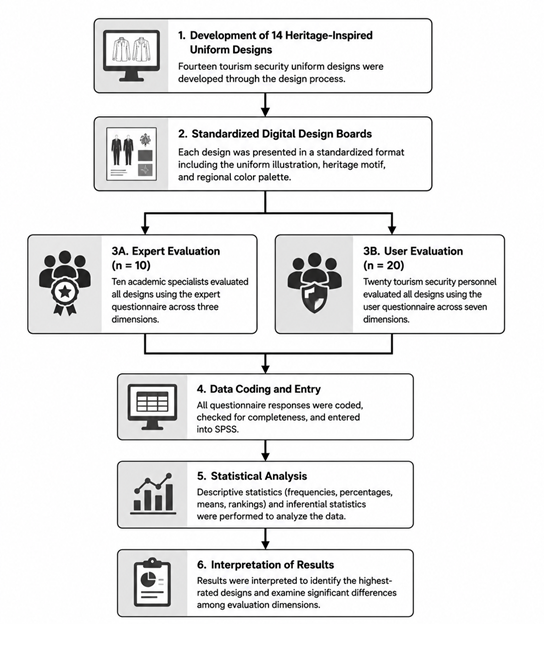
3.8 Data Analysis
The collected data were coded and analyzed using the Statistical Package for the Social Sciences (SPSS). Prior to statistical analysis, all questionnaire responses were reviewed for completeness and accuracy, and the response categories were coded numerically to facilitate quantitative analysis.
Descriptive statistical techniques were employed to summarize the evaluations provided by both participant groups. Frequencies and percentages were calculated to describe the distribution of responses across the three-point Likert scale (Agree, Somewhat Agree, and Disagree). For each evaluation criterion, weighted averages and ranking scores were computed to identify the highest- and lowest-rated design alternatives. These descriptive measures provided an overall assessment of the proposed tourism security uniform designs with respect to their functional performance, aesthetic quality, and representation of Saudi heritage.
To examine differences among participants' evaluations, inferential statistical analyses were also performed. An F-test (Analysis of Variance; ANOVA) was used to determine whether statistically significant differences existed among the evaluation dimensions of the user questionnaire. Statistical significance was assessed at the 5% significance level (α = 0.05). Probability values (p-values) below 0.05 were considered indicative of statistically significant differences.
The statistical analyses were conducted separately for the two participant groups. Expert evaluations were analyzed using descriptive statistics and comparative rankings to identify the most successful design proposals across the three evaluation dimensions. User evaluations were analyzed using both descriptive statistics and inferential tests to examine overall acceptance of the proposed uniforms and differences among the assessed evaluation criteria.
| Statistical Method | Purpose | Data Source |
| Frequencies | Describe the distribution of participant responses | Expert and user questionnaires |
| Percentages | Summarize levels of agreement for each evaluation criterion | Expert and user questionnaires |
| Weighted averages | Compare the overall performance of individual design criteria | User questionnaire |
| Ranking scores | Rank the fourteen proposed uniform designs according to expert evaluations | Expert questionnaire |
| Analysis of Variance (ANOVA/F-test) | Examine statistically significant differences among user evaluation dimensions | User questionnaire |
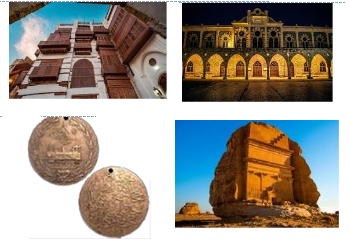
Proposed Designs for Tourist Security Personnel Uniforms Inspired by Saudi Heritage Motifs
Western Region (Hijaz)
Hijaz is a historic region located in the western part of the Arabian Peninsula and is one of its five major geographic regions. The name Hijaz, meaning "barrier" or "partition," reflects its role as a natural divide between the Tihamah coastal plain and the Najd plateau. It is also known as Al-Jalees, referring to its elevated terrain overlooking the surrounding lowlands.
Sources of Inspiration:
Central and Northern Regions (Najd)
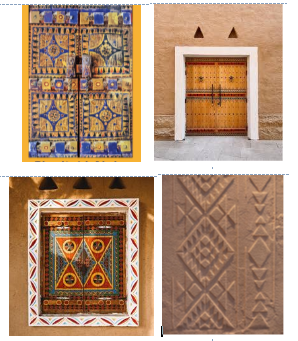
Najd is a region located in the central part of the Kingdom of Saudi Arabia. It is characterized by a semi-rocky plateau that gradually slopes eastward from the Hijaz Mountains. The region is bordered by vast sandy deserts, including An-Nafud, Ad-Dahna, and the Empty Quarter (Rub' al Khali). Although sparsely populated, Najd is home to fertile oases extending along the slopes of Jebel Tuwaiq and the Al-Armah Plateau.
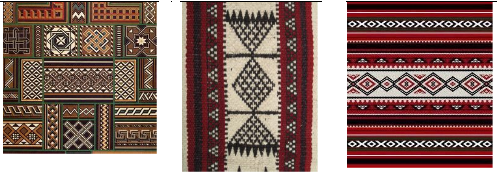
Sources of Inspiration:
Eastern Region
The Eastern Region serves as Saudi Arabia's strategic gateway for international trade and tourism, providing access to global markets through its Arabian Gulf coastline. Historically, it has played a vital role in connecting trade between East and West and became the commercial center of the Arabian Peninsula during the early to mid-20th century. Following the discovery of oil, the region experienced rapid economic growth supported by extensive investments in infrastructure. Today, its modern ports, airports, transportation networks, and financial services connect Saudi Arabia with neighboring countries, Asia, Europe, and the Americas.
Sources of Inspiration:
Southern Region (Asir)
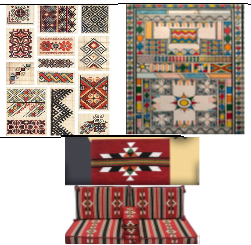
Asir is located in the southwestern part of the Kingdom of Saudi Arabia, directly north of Yemen. Covering approximately 40,000 square miles (100,000 square kilometers), the region encompasses Red Sea coastal plains, rugged mountain ranges, and upper valleys (wadis), including Bisha and Tathlith.
Sources of Inspiration:
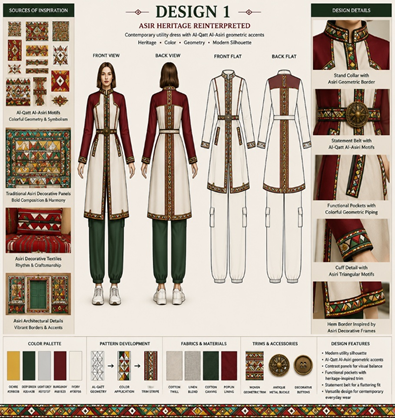
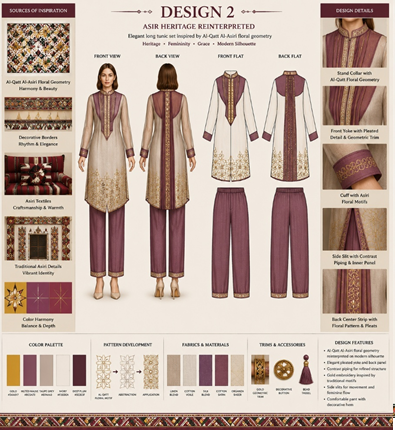
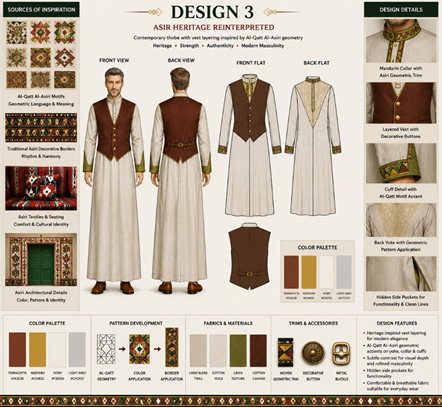
4. Results
This section presents the findings of the empirical evaluation of the proposed tourism security uniform designs. The results are organized according to the two participant groups involved in the study. First, the evaluations provided by the expert panel are presented to assess the professional quality of the proposed designs. Second, the perceptions of tourism security personnel are reported to examine user acceptance of the proposed uniforms. The findings are structured around the three principal evaluation dimensions derived from the expert questionnaire—design foundations, functional and aesthetic performance, and preservation of Saudi heritage characteristics—followed by the results of the user evaluation.
4.1 Expert Evaluation of the Proposed Uniform Designs
The expert evaluation examined the fourteen proposed tourism security uniform designs using three evaluation dimensions. Overall, the findings indicate a high level of agreement among the experts regarding the quality of the proposed designs. Across all evaluation criteria, positive responses generally exceeded 70%, demonstrating that the proposed uniforms successfully integrated sound design principles, occupational functionality, and Saudi heritage motifs. Although some differences were observed among the fourteen alternatives, several designs consistently achieved superior evaluations across multiple criteria.
4.1.1 Design Foundations
The first evaluation dimension assessed the extent to which the proposed uniform designs satisfied the fundamental principles of apparel design. Four criteria were examined: availability of design elements, color coordination, innovative design vision, and overall aesthetic quality. These criteria collectively evaluated the visual coherence and creative quality of the proposed uniforms.
Overall, the expert panel expressed a high level of agreement regarding the design foundations of the proposed uniforms. Agreement percentages ranged from 77.8% to 78.6%, whereas disagreement remained relatively low, ranging between 7.9% and 10.3%. These findings indicate that the majority of the proposed designs effectively applied the principles of contemporary apparel design while preserving visual harmony and professional appearance.
Among the fourteen alternatives, Design 3 demonstrated the strongest overall performance. It ranked first in the availability of design elements, innovative design vision, and overall aesthetic quality, while also sharing the highest evaluation for color coordination. Design 13 achieved the highest ranking for the integration of design elements, whereas Design 12 performed particularly well in color coordination. In contrast, Design 8 consistently received the lowest evaluations across several criteria, suggesting comparatively weaker integration of design principles.
The consistently positive evaluations indicate that the structured design development process successfully transformed Saudi heritage motifs into contemporary occupational uniforms without compromising creativity or visual balance. The experts particularly valued the effective integration of traditional decorative elements with modern uniform silhouettes, reflecting the study's objective of balancing cultural authenticity with professional apparel design.
| Evaluation Criterion | Agreement (%) | Somewhat Agree (%) | Disagree (%) | Highest-Ranked Design(s) | Lowest-Ranked Design |
| Availability of design elements | 78.6 | 13.5 | 7.9 | 3, 13 | 8 |
| Color coordination | 77.8 | 14.3 | 7.9 | 3, 12 | 8 |
| Innovative design vision | 78.6 | 13.5 | 7.9 | 3, 11 | 8 |
| Overall aesthetic quality | 77.8 | 11.9 | 10.3 | 3 | 10 |
The expert evaluations reveal that Design 3 consistently outperformed the remaining alternatives, indicating that it achieved the most successful balance between design composition, innovation, and aesthetic quality. This finding suggests that the integration of Saudi heritage motifs into contemporary occupational apparel can be accomplished without compromising established design principles. Furthermore, the relatively high levels of agreement across all four criteria demonstrate the effectiveness of the research-through-design methodology adopted in this study, which emphasized systematic heritage analysis, motif abstraction, and professional apparel design throughout the development process.
The next subsection examines whether the same designs also satisfied the functional and practical requirements expected of tourism security uniforms.
4.1.2 Functional and Aesthetic Performance
The second evaluation dimension examined the extent to which the proposed uniform designs fulfilled the functional and aesthetic requirements of tourism security personnel. Four criteria were assessed: functional suitability, feasibility of implementation, practicality and ease of use, and compatibility with public expectations. Together, these criteria evaluated whether the proposed uniforms were not only visually appealing but also appropriate for professional use in tourism security settings.
Overall, the expert panel expressed positive evaluations across all four criteria. Agreement percentages ranged from 72.3% to 76.6%, indicating broad consensus that the proposed uniforms successfully combined functional performance with aesthetic quality. Although a small proportion of experts selected "Somewhat Agree" or "Disagree," positive evaluations consistently represented the majority of responses, demonstrating that the proposed designs were generally perceived as practical, implementable, and professionally appropriate.
Among the fourteen alternatives, Design 2 achieved the highest evaluation for functional suitability, suggesting that its structural characteristics were considered most appropriate for the operational duties of tourism security personnel. Design 4 received the highest ratings for implementation feasibility and compatibility with public expectations, indicating that it was regarded as both realistic for production and visually acceptable within a professional tourism environment. In contrast, Design 1 obtained the highest ranking for practicality and ease of use, reflecting its perceived comfort and usability during routine occupational activities.
Lower evaluations were observed for several alternatives. Design 8 and Design 14 received the lowest rankings for functional suitability, while Design 10 and Design 14 were rated least favorably regarding practicality and ease of use. Similarly, Design 1 and Design 14 received comparatively lower evaluations for compatibility with public expectations. These findings suggest that although all proposed designs demonstrated acceptable performance, certain alternatives were considered less successful in balancing operational functionality with visual presentation.
Overall, the findings demonstrate that the design development process effectively integrated functional considerations into the proposed uniforms without compromising their aesthetic quality. The consistently high agreement across all four evaluation criteria indicates that the heritage-inspired designs were perceived as suitable for practical implementation while maintaining the professional appearance required of tourism security personnel.
| Evaluation Criterion | Agreement (%) | Somewhat Agree (%) | Disagree (%) | Highest-Ranked Design(s) | Lowest-Ranked Design(s) |
| Functional suitability | 76.6 | 11.3 | 12.1 | 2 | 8, 14 |
| Feasibility of implementation | 76.2 | 12.7 | 11.1 | 4 | 1 |
| Practicality and ease of use | 73.3 | 14.7 | 12.1 | 1 | 10, 14 |
| Compatibility with public expectations | 72.3 | 12.5 | 15.2 | 4 | 1, 14 |
The expert evaluations indicate that the proposed designs achieved a satisfactory balance between functional performance and visual quality, supporting the effectiveness of the design methodology adopted in this study. Interestingly, the highest-performing designs differed across the four criteria, suggesting that no single design dominated all aspects of functional performance. This variation reflects the inherent complexity of occupational apparel design, where functionality, comfort, manufacturability, and public perception must all be considered simultaneously. Nevertheless, the consistently high agreement percentages demonstrate that the proposed heritage-inspired uniforms successfully met the practical requirements expected of tourism security personnel while preserving their contemporary aesthetic character.
The final expert evaluation dimension examines how effectively the designs preserved and communicated the distinctive characteristics of Saudi cultural heritage through the integration of traditional decorative motifs and regional visual identities.
4.1.3 Preservation of Saudi Heritage Characteristics
The third evaluation dimension examined the effectiveness of the proposed uniform designs in preserving and communicating the visual identity of Saudi cultural heritage. Four evaluation criteria were considered: the expression of distinctive Saudi heritage motifs, preservation of traditional decorative characteristics, contemporary interpretation of Saudi artistic identity, and compatibility of the selected color schemes with traditional Saudi heritage colors. Together, these criteria assessed the extent to which the proposed uniforms successfully integrated cultural authenticity into contemporary occupational apparel.
Overall, the expert panel expressed positive evaluations across all four criteria. Agreement percentages ranged from 73.4% to 75.7%, while disagreement remained comparatively low, ranging between 9.3% and 12.8%. These findings indicate that the proposed design methodology effectively translated traditional Saudi decorative motifs into modern tourism security uniforms while preserving their cultural significance and visual identity.
Among the fourteen proposed designs, Design 3 consistently achieved the strongest overall performance. It ranked first in expressing the distinctive characteristics of Saudi heritage motifs, preserving traditional decorative features, and presenting Saudi artistic identity within a contemporary design framework. In addition, Design 13 shared the highest ranking for the successful contemporary interpretation of Saudi artistic identity, while Design 14 demonstrated exceptional performance in preserving the traditional characteristics of Saudi heritage decorations. Design 12 achieved the highest evaluation for the compatibility of decorative color compositions with traditional Saudi heritage color palettes.
Conversely, Design 8 consistently received the lowest evaluations across the first three cultural heritage criteria, suggesting that its visual treatment of heritage elements was perceived as less effective than the remaining alternatives. Design 10 obtained the lowest evaluation regarding compatibility between decorative color compositions and traditional Saudi heritage colors, indicating comparatively weaker correspondence with established regional color identities.
The overall findings demonstrate that the proposed design methodology successfully balanced cultural authenticity with contemporary apparel design. Rather than reproducing heritage motifs directly, the designs employed abstraction, simplification, and reinterpretation to preserve the symbolic and aesthetic characteristics of Saudi heritage while creating professional uniforms suitable for modern tourism security personnel.
| Evaluation Criterion | Agreement (%) | Somewhat Agree (%) | Disagree (%) | Highest-Ranked Design(s) | Lowest-Ranked Design |
| Expression of distinctive Saudi heritage motifs | 73.6 | 14.5 | 11.8 | 3 | 8 |
| Preservation of traditional heritage characteristics | 75.0 | 14.8 | 10.2 | 3, 14 | 8 |
| Contemporary interpretation of Saudi artistic identity | 75.7 | 14.9 | 9.3 | 3, 13 | 8 |
| Compatibility of decorative colors with Saudi heritage colors | 73.4 | 13.8 | 12.8 | 3, 12 | 10 |
Note. Percentages represent the overall distribution of expert evaluations across the fourteen proposed tourism security uniform designs.
Interpretation of Findings
The expert evaluations demonstrate that the incorporation of Saudi heritage motifs was one of the strongest aspects of the proposed designs. The consistently high agreement levels across all four cultural evaluation criteria indicate that the heritage-inspired design strategy successfully maintained the essential visual characteristics of traditional Saudi decorative arts while adapting them to the requirements of contemporary occupational apparel. Notably, Design 3 emerged as the most culturally successful alternative, consistently achieving the highest evaluations across nearly all heritage-related criteria. This consistency suggests that the design achieved an effective balance between historical authenticity, contemporary aesthetics, and professional functionality.
Furthermore, the positive evaluations support the effectiveness of the research-through-design approach adopted in this study. By systematically analyzing regional heritage motifs and reinterpreting them through contemporary apparel design principles, the proposed uniforms were able to communicate Saudi cultural identity without relying on direct replication of traditional decorative forms. This finding aligns with the study's objective of developing uniforms that function not only as professional workwear but also as visual ambassadors of Saudi cultural heritage within the tourism sector.
While the expert evaluations provide evidence of the professional quality and cultural authenticity of the proposed designs, the ultimate success of occupational apparel also depends on user acceptance. Therefore, the following section presents the evaluations provided by tourism security personnel, examining their perceptions of the proposed uniforms with respect to functionality, aesthetics, heritage representation, educational value, and tourism promotion.
4.2 User Evaluation of the Proposed Uniform Designs
To complement the expert assessment, the proposed tourism security uniform designs were evaluated by 20 tourism security personnel, representing the intended end users of the uniforms. The user evaluation focused on seven dimensions reflecting both functional performance and cultural value: functional suitability, color harmony, aesthetic appeal, decorative composition, authenticity of Saudi heritage representation, educational value, and contribution to tourism promotion. The findings provide valuable insights into the practical acceptance of the proposed designs from the perspective of potential users.
Overall, the results demonstrate a high level of user satisfaction with the proposed uniforms. Across all seven evaluation dimensions, the majority of respondents selected "Agree," indicating that the heritage-inspired designs were positively received in terms of functionality, visual appearance, and cultural representation.
4.2.1 Descriptive Analysis of User Evaluations
The descriptive analysis revealed consistently high levels of agreement across all evaluation dimensions. Agreement percentages ranged from 67.0% to 97.6%, whereas "Somewhat Agree" responses ranged from 1.4% to 31.9%, and disagreement remained minimal across all items, never exceeding 2.3%. These findings indicate a strong overall acceptance of the proposed uniform designs among tourism security personnel.
The highest level of agreement (97.6%) was observed for functional suitability, demonstrating that respondents considered the proposed uniforms highly appropriate for the operational requirements of tourism security personnel. Similarly, the designs received strong evaluations for aesthetic appeal (92.2%), decorative composition (87.6%), and their contribution to tourism promotion (84.3%), suggesting that the proposed uniforms successfully combined professional functionality with visual attractiveness and cultural representation.
Although all evaluation dimensions received favorable responses, relatively lower agreement was observed for educational value (67.0%) and heritage authenticity (74.8%). Nevertheless, these dimensions still achieved predominantly positive evaluations, indicating that respondents recognized the cultural significance of the proposed designs while suggesting opportunities to further strengthen the communication of Saudi heritage through occupational apparel.
| Evaluation Dimension | Agree (%) | Somewhat Agree (%) | Disagree (%) |
| Functional suitability | 97.6 | 1.4 | 0.0 |
| Color harmony | 76.4 | 23.6 | 0.0 |
| Aesthetic appeal | 92.2 | 7.8 | 0.0 |
| Decorative composition enhances appearance | 87.6 | 3.4 | 0.0 |
| Preservation of Saudi heritage authenticity | 74.8 | 27.2 | 0.0 |
| Educational value regarding Saudi heritage | 67.0 | 31.9 | 1.1 |
| Contribution to tourism promotion | 84.3 | 13.4 | 2.3 |
Interpretation of Findings
The user evaluations indicate that the proposed heritage-inspired uniforms were well accepted by the intended end users. The exceptionally high level of agreement regarding functional suitability demonstrates that respondents perceived the uniforms as appropriate for their professional duties. At the same time, the strong evaluations of aesthetic appeal and decorative composition suggest that the incorporation of Saudi heritage motifs enhanced the visual identity of the uniforms without compromising their practicality.
Furthermore, respondents recognized the potential of the proposed uniforms to promote Saudi tourism by communicating elements of national cultural identity. Although the educational dimension received comparatively lower agreement than the other criteria, the predominance of positive responses indicates that the designs were still perceived as effective in increasing awareness of Saudi heritage. Overall, these findings support the study's premise that occupational uniforms can simultaneously fulfill functional requirements while serving as a medium for cultural communication and tourism promotion.
To further examine the consistency of user evaluations across the seven assessment dimensions, inferential statistical analyses were conducted. The following subsection presents the results of the significance tests performed to determine whether meaningful differences existed among users' evaluations of the proposed design attributes.
4.2.2 Inferential Analysis of User Evaluations
To further examine users' perceptions of the proposed tourism security uniform designs, inferential statistical analysis was performed to determine whether significant differences existed among the seven evaluation dimensions. The analysis compared respondents' ratings across functional, aesthetic, and cultural aspects of the proposed designs. Statistical significance was evaluated at the 5% significance level (α = 0.05).
The results indicate that statistically significant differences were observed across all evaluation dimensions, with p-values below 0.05 for every assessment criterion (Table 4.5). These findings demonstrate that although users generally expressed positive perceptions of the proposed uniforms, the strength of their evaluations differed according to the specific attribute being assessed.
Among the evaluated dimensions, the educational value of the proposed designs achieved the highest weighted average (77.82), indicating that respondents recognized the potential of the uniforms to communicate information about Saudi heritage and traditional decorative arts. Similarly, the decorative composition received a high weighted average (76.59), reflecting users' appreciation of the visual integration of heritage motifs within the uniform designs.
High evaluations were also recorded for functional suitability (74.12), contribution to tourism promotion (73.76), and heritage authenticity (73.06), suggesting that respondents perceived the proposed uniforms as capable of fulfilling their occupational purpose while simultaneously representing Saudi cultural identity. Slightly lower weighted averages were observed for color harmony (70.76) and overall aesthetic appeal (69.88). Nevertheless, both dimensions remained positively evaluated, indicating general satisfaction with the visual qualities of the proposed designs.
Collectively, these findings demonstrate that users perceived the proposed uniforms as successful in integrating professional functionality with cultural representation. The statistically significant differences among evaluation dimensions reflect varying levels of emphasis placed on different design attributes rather than dissatisfaction with the proposed uniforms.
| Evaluation Dimension | Weighted Average | Standard Deviation | Test Statistic* | p-value | Statistical Significance |
| Functional suitability | 74.12 | 0.546 | -5.058 | <0.001 | Significant |
| Color harmony | 70.76 | 0.742 | -2.504 | 0.013 | Significant |
| Aesthetic appeal | 69.88 | 0.744 | -6.651 | <0.001 | Significant |
| Decorative composition enhances appearance | 76.59 | 0.596 | -8.163 | <0.001 | Significant |
| Preservation of Saudi heritage authenticity | 73.06 | 0.643 | -4.474 | <0.001 | Significant |
| Educational value regarding Saudi heritage | 77.82 | 0.675 | -3.346 | 0.001 | Significant |
| Contribution to tourism promotion | 73.76 | 0.770 | -4.210 | <0.001 | Significant |
Note. Statistical significance was determined at α = 0.05. The table reports the test statistic as presented in the original statistical output.
The inferential analysis reinforces the descriptive results by demonstrating that users consistently evaluated the proposed uniforms positively across all assessment dimensions. Although statistically significant differences were identified among the evaluated attributes, every dimension received favorable ratings, indicating broad acceptance of the proposed designs. In particular, respondents valued the uniforms not only for their functional suitability but also for their ability to communicate Saudi cultural heritage and support tourism promotion.
The relatively high weighted averages for educational value, decorative composition, and heritage authenticity suggest that users perceived the uniforms as extending beyond their practical role to serve as visual representations of Saudi identity. These findings support the study's premise that professionally designed occupational apparel can contribute simultaneously to operational performance, cultural preservation, and destination branding within the tourism sector.
4.3 Summary of Findings
Overall, the findings from both the expert and user evaluations provide strong support for the effectiveness of the proposed heritage-inspired tourism security uniform designs. Expert assessments confirmed that the designs successfully satisfied the principles of apparel design, functional performance, and preservation of Saudi heritage characteristics. Among the fourteen alternatives, Design 3 consistently achieved the highest evaluations across multiple criteria, demonstrating its effectiveness in balancing professional functionality, aesthetic quality, and cultural authenticity.
Similarly, the user evaluation revealed a high level of acceptance among tourism security personnel, with positive responses exceeding two-thirds of participants across all evaluation dimensions and approaching complete agreement for functional suitability. The inferential analysis further confirmed statistically significant differences among the evaluated attributes while demonstrating consistently positive perceptions of the proposed uniforms.
Taken together, these findings indicate that integrating Saudi heritage motifs into contemporary tourism security uniforms can successfully enhance functional performance, strengthen visual identity, preserve cultural authenticity, and contribute to tourism promotion. The convergence between expert and user evaluations provides empirical evidence supporting the effectiveness of the research-through-design approach adopted in this study and its potential application in the development of culturally inspired occupational apparel.
5. Discussion
The present study sought to develop heritage-inspired tourism security uniforms that integrate the visual characteristics of Saudi cultural heritage with the functional requirements of contemporary occupational apparel. Using a research-through-design approach, fourteen uniform concepts were developed and evaluated by both apparel design experts and tourism security personnel. Overall, the findings demonstrate that the proposed designs successfully achieved a balance between functionality, aesthetic quality, and cultural authenticity. The convergence between expert assessments and user evaluations provides strong empirical support for the effectiveness of the adopted design methodology and highlights the potential of occupational uniforms to function as both professional garments and cultural communication tools.
5.1 Integration of Functional Performance and Aesthetic Quality
One of the principal findings of this study is that the proposed uniform designs were positively evaluated for both their functional suitability and aesthetic performance. Expert evaluators reported consistently high levels of agreement regarding the application of design principles, practicality, implementation feasibility, and visual harmony. Similarly, tourism security personnel expressed particularly strong agreement concerning the functional suitability of the proposed uniforms, indicating that the designs successfully addressed the operational requirements of their intended users.
These findings reinforce the principles of the Functional–Expressive–Aesthetic (FEA) Consumer Needs Model (Lamb & Kallal, 1992), which emphasizes that successful apparel design should satisfy practical performance requirements while simultaneously supporting visual appeal and symbolic meaning. The results suggest that integrating heritage-inspired decorative elements did not compromise the usability or professional appearance of the uniforms. Instead, cultural motifs enhanced the visual identity of the garments while preserving their occupational functionality.
The findings are consistent with previous studies that emphasize the importance of balancing functional performance with aesthetic considerations in professional apparel design. Contemporary occupational clothing is increasingly expected to satisfy ergonomic requirements while simultaneously strengthening organizational identity and improving users' psychological acceptance of work uniforms. The positive evaluations obtained in the present study indicate that these objectives can be achieved simultaneously through a systematic design methodology.
5.2 Heritage Preservation Through Contemporary Uniform Design
A major contribution of this study lies in demonstrating that occupational uniforms can serve as effective vehicles for preserving and communicating Saudi cultural heritage. The expert evaluations showed consistently positive assessments of the proposed designs in terms of expressing the distinctive characteristics of Saudi heritage motifs, preserving traditional decorative features, and presenting Saudi artistic identity within a contemporary framework. Likewise, tourism security personnel positively evaluated the authenticity of the heritage-inspired designs and recognized their potential to increase awareness of Saudi cultural identity.
These findings suggest that the design strategy adopted in this study successfully moved beyond the simple reproduction of traditional decorative motifs. Instead, heritage elements were carefully analyzed, abstracted, and reinterpreted into contemporary visual compositions that satisfied both cultural and professional requirements. This approach allowed the proposed uniforms to maintain the symbolic value of Saudi heritage while meeting the practical expectations of modern occupational apparel. Consequently, the uniforms function not only as work garments but also as visual representations of national identity that can strengthen visitors' cultural experience.
The findings also support broader discussions surrounding cultural sustainability, which emphasize the importance of preserving intangible cultural heritage through contemporary creative practices rather than limiting preservation to museums or historical documentation. Incorporating regional decorative motifs, traditional color palettes, and culturally meaningful visual elements into everyday occupational clothing represents a practical strategy for sustaining cultural identity within rapidly modernizing societies. In this context, the proposed tourism security uniforms contribute to the ongoing preservation of Saudi visual heritage by introducing traditional artistic elements into a contemporary public environment.
Furthermore, the study aligns with Saudi Arabia's broader efforts to strengthen national identity while expanding its tourism sector. Tourism security personnel are among the first public representatives encountered by many visitors, making their uniforms an important component of destination image and cultural communication. By integrating recognizable heritage motifs into professional uniforms, the proposed designs provide an opportunity to communicate aspects of Saudi history, regional diversity, and artistic traditions through daily interactions with domestic and international tourists. Such visual communication can enrich visitors' experiences while simultaneously reinforcing national pride among employees.
The findings are consistent with previous studies emphasizing that fashion and textile design can play an important role in safeguarding cultural heritage through innovation rather than replication. Earlier research has shown that contemporary reinterpretations of traditional decorative arts contribute to cultural continuity by making heritage more accessible and relevant to modern audiences. The present study extends this body of knowledge by demonstrating that occupational apparel—an area that has received comparatively limited scholarly attention—can also function as an effective platform for cultural preservation and public engagement. Consequently, the study expands existing research on heritage-inspired fashion by positioning professional uniforms as strategic instruments for both cultural sustainability and destination branding.
5.3 Implications for Tourism Promotion and Destination Branding
The findings of this study suggest that heritage-inspired occupational uniforms can contribute to tourism promotion by strengthening the visual identity of tourism security personnel and enriching visitors' cultural experiences. The user evaluation demonstrated high levels of agreement regarding the role of the proposed uniforms in promoting tourism and introducing Saudi heritage, indicating that respondents perceived the uniforms as more than functional workwear. Instead, they recognized their potential to serve as visual ambassadors of Saudi culture during interactions with domestic and international visitors.
This finding highlights the broader communicative role of occupational apparel within tourism environments. Tourism security personnel are among the first public representatives encountered by visitors at heritage sites, cultural attractions, airports, and major tourism destinations. Consequently, their appearance contributes to visitors' first impressions of the destination and influences perceptions of professionalism, hospitality, and cultural identity. By incorporating carefully selected Saudi heritage motifs into contemporary uniforms, the proposed designs create opportunities to reinforce the country's cultural image while maintaining the professional appearance required of security personnel.
The results also demonstrate that visual identity can become an integral component of destination branding. Contemporary tourism marketing increasingly emphasizes the creation of authentic and memorable visitor experiences, where every point of interaction contributes to the overall destination image. Uniforms inspired by regional decorative traditions provide a subtle yet continuous means of communicating national identity, allowing visitors to encounter elements of Saudi culture throughout their tourism experience rather than only within museums or historical exhibitions. In this sense, occupational apparel becomes part of the destination's visual communication strategy.
Furthermore, the proposed design approach supports Saudi Arabia's ongoing transformation of its tourism sector by integrating cultural heritage into public services. As tourism continues to diversify under national development initiatives, strengthening the visibility of local artistic traditions through contemporary design can contribute to differentiating Saudi destinations while promoting cultural authenticity. Rather than relying solely on architectural landmarks or cultural events, heritage-inspired uniforms represent an additional mechanism through which national identity can be expressed consistently across tourism-related institutions.
From a design perspective, the study also demonstrates that destination branding can be achieved without sacrificing occupational performance. The positive evaluations obtained from both experts and end users indicate that cultural symbolism and functional requirements are complementary rather than competing objectives. This finding challenges the traditional assumption that occupational uniforms should prioritize practicality at the expense of cultural expression. Instead, the results suggest that carefully integrating heritage-inspired visual elements can simultaneously enhance professional appearance, organizational identity, and visitors' cultural engagement.
Finally, the present study expands the literature on tourism design by illustrating the role of apparel as a strategic branding resource. While previous studies have primarily focused on architecture, cultural attractions, public spaces, and promotional media as components of destination branding, comparatively little attention has been given to the contribution of occupational uniforms. The findings demonstrate that professionally designed uniforms can reinforce destination identity through everyday interactions between tourism personnel and visitors, thereby extending branding efforts beyond conventional marketing channels and into the lived tourism experience.
5.4 Theoretical and Practical Implications
The findings of this study contribute to both apparel design theory and professional practice by demonstrating how cultural heritage can be systematically integrated into occupational uniform design without compromising functionality or aesthetic quality. From a theoretical perspective, the study extends the application of the Functional–Expressive–Aesthetic (FEA) Consumer Needs Model beyond its traditional use in consumer apparel by illustrating its relevance to heritage-inspired occupational clothing. The findings confirm that functional performance, aesthetic appeal, and symbolic meaning can be addressed simultaneously within a unified design framework, thereby supporting the multidimensional nature of apparel evaluation proposed by the FEA model.
The study also contributes to the growing body of research on research-through-design (RtD) by demonstrating the value of a structured design process for translating traditional cultural motifs into contemporary occupational apparel. Through systematic heritage analysis, motif abstraction, digital concept development, and empirical evaluation by both experts and end users, the study provides a replicable methodological framework for heritage-inspired apparel design. This methodological contribution may be adapted to other occupational clothing contexts where cultural identity and professional functionality must be balanced.
From a practical perspective, the findings offer valuable guidance for designers, tourism authorities, and public institutions responsible for developing professional uniforms. The consistently positive evaluations from both expert reviewers and tourism security personnel indicate that integrating regional heritage motifs into occupational apparel can strengthen organizational identity while preserving national cultural values. Rather than treating uniforms solely as functional garments, public organizations may consider them strategic visual assets capable of communicating institutional identity and cultural authenticity.
The findings also have practical implications for the tourism sector. Heritage-inspired uniforms provide an opportunity to enhance the visual identity of tourism personnel and contribute to a more cohesive destination image. As tourism security personnel interact directly with visitors throughout their travel experience, their uniforms can reinforce perceptions of professionalism while simultaneously introducing elements of Saudi artistic heritage. This approach may enhance visitors' cultural engagement and support broader initiatives aimed at strengthening the international image of Saudi Arabia as a culturally rich tourism destination.
Furthermore, the proposed design framework may support future initiatives concerned with preserving regional artistic traditions through contemporary design practice. By employing abstraction and reinterpretation rather than direct replication of traditional motifs, the framework offers a sustainable strategy for maintaining cultural authenticity while encouraging innovation. Such an approach enables heritage to remain relevant within contemporary public life and supports the long-term preservation of traditional visual identities through modern design applications.
Finally, the study provides a foundation for future interdisciplinary research at the intersection of apparel design, cultural heritage, tourism, and destination branding. The integration of empirical user evaluation with a structured design methodology demonstrates that occupational apparel can be examined not only as a functional product but also as a medium for cultural communication and public engagement. Future studies may build upon this framework by investigating the long-term influence of heritage-inspired uniforms on visitor perceptions, organizational identity, employee satisfaction, and destination image across different cultural and institutional contexts.
6. Conclusions
This study developed and evaluated a series of heritage-inspired tourism security uniform designs that integrate traditional Saudi decorative motifs with the functional and aesthetic requirements of contemporary occupational apparel. Employing a research-through-design methodology guided by the Functional–Expressive–Aesthetic (FEA) Consumer Needs Model, fourteen uniform concepts were created and assessed by both apparel design experts and tourism security personnel. The dual evaluation approach provided a comprehensive assessment of the proposed designs from both professional and end-user perspectives.
The findings demonstrate that the proposed design methodology successfully achieved the study's objectives. Expert evaluations confirmed that the developed uniforms effectively satisfied the principles of apparel design, functional performance, and preservation of Saudi heritage characteristics. Across the three evaluation dimensions, the proposed designs received consistently high levels of agreement, indicating that the integration of heritage-inspired decorative elements enhanced rather than compromised the professional quality of the uniforms. Among the fourteen alternatives, Design 3 consistently achieved the strongest overall performance, reflecting its successful balance of functionality, visual harmony, innovation, and cultural authenticity.
The user evaluation further reinforced these findings. Tourism security personnel expressed high levels of acceptance across all assessment dimensions, particularly regarding the functional suitability, aesthetic appeal, and contribution of the proposed uniforms to tourism promotion. Users also recognized the value of incorporating Saudi heritage motifs into professional apparel, suggesting that occupational uniforms can serve not only as functional garments but also as effective visual representations of national identity. The inferential analysis confirmed statistically significant differences among the evaluated dimensions while demonstrating an overall positive perception of the proposed designs.
Beyond the evaluation of individual uniform concepts, this study contributes to a broader understanding of the relationship between apparel design, cultural heritage, and tourism. The findings demonstrate that occupational uniforms can function as visual communication tools that strengthen destination identity while preserving traditional artistic expressions. By employing abstraction and reinterpretation rather than direct replication of heritage motifs, the proposed design approach offers a practical strategy for integrating cultural authenticity into contemporary professional clothing. This approach enables heritage preservation to occur within everyday public environments while maintaining the functional requirements expected of occupational apparel.
From a theoretical perspective, the study extends the application of the Functional–Expressive–Aesthetic (FEA) Consumer Needs Model to the context of heritage-inspired occupational clothing and demonstrates the effectiveness of research-through-design as a methodological framework for culturally informed apparel development. The integration of systematic design development with empirical evaluation by both experts and end users provides a replicable model for future research addressing the intersection of fashion design, cultural heritage, and professional apparel.
The study also offers practical implications for designers, tourism authorities, and public institutions responsible for developing occupational uniforms. The findings suggest that incorporating regional cultural motifs into professional clothing can strengthen organizational identity, enhance visitors' cultural experiences, and support destination branding without compromising functionality or usability. Consequently, heritage-inspired uniform design may represent an effective strategy for promoting Saudi cultural identity within the country's expanding tourism sector.
Despite these contributions, several limitations should be acknowledged. The study evaluated fourteen conceptual uniform designs using a relatively limited sample of expert evaluators and tourism security personnel. Furthermore, the evaluation focused primarily on visual design concepts rather than the long-term performance of physically manufactured garments under operational conditions. Future research could address these limitations by expanding participant samples, evaluating prototype garments in real working environments, incorporating ergonomic and physiological performance assessments, and examining visitors' perceptions of heritage-inspired uniforms within actual tourism settings. Comparative studies involving different occupational sectors or cultural contexts would also contribute to validating the broader applicability of the proposed design framework.
In conclusion, this study demonstrates that heritage-inspired occupational apparel can successfully integrate functionality, aesthetics, and cultural authenticity within a unified design approach. The findings provide empirical evidence that professional uniforms can simultaneously satisfy operational requirements and communicate national cultural identity. As Saudi Arabia continues to expand its tourism sector and strengthen its cultural presence internationally, the integration of heritage-inspired design into occupational apparel offers a promising approach for supporting cultural sustainability, enhancing destination identity, and enriching visitors' experiences while preserving the visual legacy of Saudi heritage for future generations.
Declarations
Author Contributions
The author solely conceived and designed the study; developed the research methodology; conducted the heritage analysis and design development process; created the proposed tourism security uniform designs; collected, analyzed, and interpreted the data; prepared the figures and tables; wrote the original manuscript; critically reviewed and revised the manuscript; and approved the final version for publication.
Funding
This research received no external funding.
Institutional Review Board Statement
The study was conducted in accordance with the ethical principles for research involving human participants. Participation was voluntary, informed consent was obtained from all participants prior to data collection, and all responses were collected anonymously and treated confidentially for research purposes only.
Informed Consent Statement
Informed consent was obtained from all participants involved in the study.
Data Availability Statement
The datasets generated and analyzed during the current study are available from the corresponding author upon reasonable request.
Conflicts of Interest
The author declares no conflict of interest.
Acknowledgments
The author gratefully acknowledges the academic experts and tourism security personnel who participated in evaluating the proposed uniform designs. Their valuable feedback and professional insights significantly contributed to the refinement of the proposed designs and the successful completion of this research.
Ethical Considerations
Participation in this study was entirely voluntary. Participants were informed of the purpose of the research before completing the evaluation questionnaires and were assured that their responses would remain anonymous and confidential. No personally identifiable information was collected, and all data were used exclusively for academic research purposes.
References
- Alajaji, T. N. (2022). Developing sustainable traditional costume designs inspired by Saudi traditional fashion. World Journal of Entrepreneurship, Management and Sustainable Development, 18(4), 533–553. DOI ↗ Google Scholar ↗
- Al-Oraini, B. (2026). Authenticity and cultural appropriation in Saudi fashion: Consumer ethnocentrism and ethical evaluation. World, 7(4), 67. DOI ↗ Google Scholar ↗
- Alqahtani, T. H. (2026). Tourism-led growth perceptions in a hydrocarbon economy: Mixed-methods SEM evidence from Saudi Arabia's Vision 2030. Sustainability, 18(9), 4438. DOI ↗ Google Scholar ↗
- Alshomrany, D. S. (2025). Expressions of traditional crafts and heritage arts in contemporary Saudi interior design and their contribution to cultural sustainability and local economic development. Journal of Cultural Analysis and Social Change, 10(4), 5316–5347. DOI ↗ Google Scholar ↗
- Alsuwaida, N. (2026). From heritage to digital fashion: A curriculum integration framework for art and design education. Frontiers in Communication, 11, 1703638. DOI ↗ Google Scholar ↗
- Anholt, S. (2010). Places: Identity, image and reputation. Palgrave Macmillan. DOI ↗ Google Scholar ↗
- Creswell, J. W., & Creswell, J. D. (2023). Research design: Qualitative, quantitative, and mixed methods approaches (6th ed.). Sage. DOI ↗ Google Scholar ↗
- Cross, N. (2006). Designerly ways of knowing. Springer. DOI ↗ Google Scholar ↗
- Damhorst, M. L. (1990). In search of a common thread: Classification of information communicated through dress. Clothing and Textiles Research Journal, 8(2), 1–12. DOI ↗ Google Scholar ↗
- Field, A. (2018). Discovering statistics using IBM SPSS statistics (5th ed.). Sage. Google Scholar ↗
- Fletcher, K. (2014). Sustainable fashion and textiles: Design journeys (2nd ed.). Routledge. Google Scholar ↗
- Frayling, C. (1993). Research in art and design. Royal College of Art Research Papers, 1(1), 1–5. Google Scholar ↗
- Gwilt, A. (2020). A practical guide to sustainable fashion. Bloomsbury. Google Scholar ↗
- Hair, J. F., Black, W. C., Babin, B. J., & Anderson, R. E. (2019). Multivariate data analysis (8th ed.). Cengage Learning. Google Scholar ↗
- Imbesi, L., & Scataglini, S. (2021). User-centered design for fashion. Springer. Google Scholar ↗
- ISO. (2019). ISO 9241-210:2019 Ergonomics of human-system interaction—Part 210: Human-centred design for interactive systems. International Organization for Standardization. Google Scholar ↗
- Lamb, J. M., & Kallal, M. J. (1992). A conceptual framework for apparel design. Clothing and Textiles Research Journal, 10(2), 42–47. DOI ↗ Google Scholar ↗
- Madani, R. S. (2026). Integrating Saudi architectural motifs into sustainable product design: A framework for cultural preservation and innovation. Journal of Posthumanism, 6(4), 388–420. DOI ↗ Google Scholar ↗
- Ministry of Culture. (2023). Traditional arts and heritage of Saudi Arabia. Google Scholar ↗
- Norman, D. A. (2013). The design of everyday things (Revised and expanded ed.). Basic Books. Google Scholar ↗
- Pike, S., & Page, S. J. (2014). Destination marketing organizations and destination marketing: A narrative analysis of the literature. Tourism Management, 41, 202–227. DOI ↗ Google Scholar ↗
- Rittel, H. W. J., & Webber, M. M. (1973). Dilemmas in a general theory of planning. Policy Sciences, 4(2), 155–169. DOI ↗ Google Scholar ↗
- Sampieri, S., & Mazzetto, S. (2026). Sustainability in heritage tourism: Evidence from emerging travel destinations. Heritage, 9(2), 45. DOI ↗ Google Scholar ↗
- Sanders, E. B.-N., & Stappers, P. J. (2008). Co-creation and the new landscapes of design. CoDesign, 4(1), 5–18. DOI ↗ Google Scholar ↗
- Saudi Heritage Commission. (2023). Saudi heritage and traditional arts. Ministry of Culture. Google Scholar ↗
- Saudi Tourism Authority. (2024). Experience Saudi. Google Scholar ↗
- Soini, K., & Dessein, J. (2016). Culture–sustainability relation: Towards a conceptual framework. Sustainability, 8(2), 167. DOI ↗ Google Scholar ↗
- Tawfiq, W. A., & Paff, J. L. (2024). Exploring the meaning of Saudi women's traditional dress among a shifting Saudi cultural context. Clothing and Textiles Research Journal, 44(2), 161–177. DOI ↗ Google Scholar ↗
- UNESCO. (2003). Convention for the safeguarding of the intangible cultural heritage. UNESCO. Google Scholar ↗
- Zimmerman, J., Forlizzi, J., & Evenson, S. (2007). Research through design as a method for interaction design research in HCI. In Proceedings of the SIGCHI Conference on Human Factors in Computing Systems (pp. 493–502). ACM. DOI ↗ Google Scholar ↗