Abstract
In the Somali context, Civil Society Organizations (CSOs) face systemic impediments that constrain their effectiveness in conflict resolution and security stabilization. To reassess the potential role of civil society within this fragile environment, this paper examines the effects of institutional decay, restrictive regulatory frameworks, clan-based fragmentation, and the chronic under-resourcing of CSOs. It further explores how these interconnected factors hinder the ability of CSOs to bridge governance gaps and mobilize communities for reconciliation. The central thesis posits that the absence of robust constituent institutions, a constricted civic sphere, and strained communal relations collectively undermine social cohesion and peacebuilding efforts. Utilizing a "Multi-Level Actors Involvement" (MLAI) framework, this study applies qualitative content analysis to primary and secondary data collected through fieldwork. The findings suggest that the MLAI mechanism—which integrates grassroots organizations, modern NGOs, state agencies, and international partners—is a vital catalyst for empowering CSOs to preempt conflict and alleviate socioeconomic fragility. Ultimately, this research addresses a critical gap in understanding the nexus between communal conflict, peace processes, and social stability in Somalia.
Keywords
Civil Society Conflict Mitigation MLAI Peacebuilding Transitional Somalia.
1. Introduction
Across Africa, particularly in states emerging from protracted warfare, cultivating sustainable peace is a multifaceted endeavor that requires coordinating diverse actors and strategies. Restoring security in volatile settings remains a paramount challenge; consequently, various domestic and international agencies utilize a spectrum of formal and informal processes to pursue national stability. Civil society (CS) has emerged as an essential instrument for facilitating mediation and fostering long-term settlements. Following the institutionalization of peacebuilding principles in the 1990s, the role of civil society evolved significantly, positioning it as a cornerstone of peacemaking processes [1]. Since then, CSOs have assumed diverse responsibilities, including fostering inclusive discourse, addressing the structural root causes of violence, and promoting social cohesion.
Globally, this engagement has manifested through a synergy between Community-Based Organizations (CBOs)—often rooted in traditional or indigenous structures—and specialized Non-Governmental Organizations (NGOs) [2, 3]. Notable examples of specialized institutions include the Centre for International Conflict Resolution (CICR) at Columbia University, the International Peace Institute (IPI), the Peace Research Institute Oslo (PRIO), and the United States Institute of Peace (USIP) [4]. Regionally, CSOs in Libya have advanced reconciliation through dialogue and local mediation, while in post-Ba'athist Iraq, they have sought to cultivate a sense of citizenship amid sectarian strife [5-7]. In Sudan, organizations such as the Life & Peace Institute (LPI) and the Peace Bridge Association (PBA) continue to facilitate dialogue despite active hostilities [8]. Furthermore, West African experiences underscore the influence of CSOs on the development of the ECOWAS Convention on Small Arms and Light Weapons (SALW) [9].
In Somalia, the collapse of central authority in the early 1990s necessitated a fundamental re-evaluation of CSO participation. The challenges of state fragility, asymmetrical governance, and the absence of regulatory infrastructure continue to impede Somali CSOs from engaging in transformative peace efforts [10]. Accordingly, this paper aims to: first, identify the structural barriers—including institutional fragility, politicized clan identities, and donor dependency—that hinder effective mediation; second, explore localized and hybrid peace processes that leverage indigenous knowledge; and third, advocate for the implementation of the Multi-Level Actors Involvement (MLAI) approach as a collaborative framework tailored to the unique dynamics of the Somali conflict landscape.
The significance of this research lies in its presentation of a practical framework to enhance the efficacy of CSOs in conflict resolution and security recovery. By analyzing the role of CSOs in unstable settings, this study provides vital insights that fill a significant gap in the literature on peacebuilding and social cohesion, particularly in resolving clan-based conflicts.
2. Materials Methods
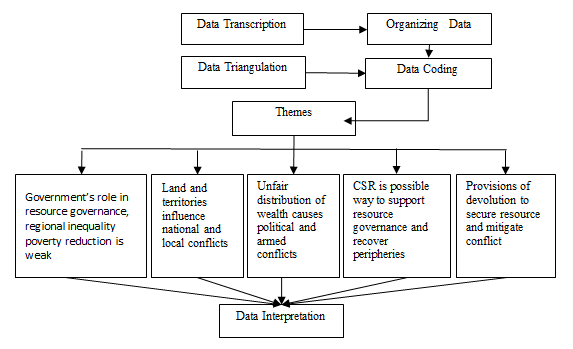
This study utilizes qualitative content analysis to synthesize research findings from primary and secondary sources. Fieldwork and surveys are scheduled to take place in Mogadishu (South-Central) and Las Anod (North-East) between October 2025 and February 2026. This empirical approach allows for the application of theoretical constructs to specific socio-political dynamics. The study employs triangulation to ensure validity, applying interpretive methods to refine, code, and categorize interview data to elucidate the potential role of Somali civil society in mitigating clan-based hostilities.
Source: Fieldwork of the Study (2025).
3. Literature Review
While Civil Society (CS) is often idealized as a cohesive actor, its definition remains contested and theoretically fragmented. Emerging as a "civic-non-state" entity, civil society functions as a bridge between individual interests and state power [11]. However, this "independence" is often illusory; CSOs frequently operate in a precarious synergy with the state, navigating the tension between collaborative problem-solving and systemic opposition. Rather than a monolithic sector, CS is a heterogeneous public domain where collective action is driven by shared—and often competing—values [12].
The literature frequently champions CSOs as catalysts for peace, yet their impact is strictly governed by the state's political ecology. In Burundi and Liberia, the success of faith-based and youth organizations in facilitating settlements highlights the potential of "bottom-up" diplomacy [13]. However, these successes are often the exception rather than the rule. As evidenced in Sudan and Libya, the "civic space" is not neutral ground but a contested territory. Legislative restrictions, institutional corruption, and political intimidation can effectively neuter CSOs, reducing them from proactive peacebuilders to mere conduits for humanitarian aid [14,15]. This suggests that the potential of CSOs is fundamentally tethered to the state’s willingness to permit their existence.
Furthermore, the shift toward a multi-actor approach—integrating local, state, and international stakeholders—reflects an acknowledgment that traditional top-down peacebuilding is insufficient. High approval ratings for local leaders in Liberia and Sierra Leone [16] suggest that legitimacy is often derived from grassroots proximity rather than formal institutional authority. Yet, the implementation of such frameworks, as seen in Kyrgyzstan, requires a delicate alignment of moderate religious actors and government officials [17]. The critical challenge remains: how to maintain the autonomy of local actors when they are integrated into larger, state-led technical monitoring and verification processes [18].
In Somalia, research must move beyond an optimistic view of civil society to address the specific structural barriers of a clan-based society. If CSOs are to alleviate lower-level violence and mitigate inter-clan disputes, they must do more than simply "facilitate conversation." They must navigate the deeply entrenched power structures of local clan leadership while operating within a fragile governmental framework. The multi-actor approach proposed in this study, therefore, must be evaluated not just for its inclusivity but for its ability to withstand the same political pressures that have marginalized civic actors in other volatile African contexts.
4. Somalia: The Conflict Complexity-Web And Challenges Of Cso Involvement
Somalia’s landscape—characterized by fragmented administration, decimated social structures, and protracted violence—presents an exceptionally hostile environment for conflict resolution. As noted in the literature, the state itself may be a primary actor in the conflict or may lack the capacity and legitimacy to enforce peace agreements. This institutional incapacity to provide security and basic services creates a power vacuum often filled by disparate factions, which ultimately exacerbates systemic instability. Consequently, CSOs are forced to operate within a "security paradox," where the absence of a legitimate state puts both their personnel and the long-term viability of their programs at extreme risk [19].
The conflict in Somalia is not merely a series of isolated events but a dynamic, "complex web" of historical grievances, resource-based competition, and power rivalries. As one study highlights, "the legacy of past violence, including human rights abuses and grievance, can also create a climate of mistrust and resentment, making reconciliation and peacebuilding efforts exceptionally difficult" [20]. These deep-rooted issues are rarely responsive to short-term interventions; instead, they are fueled by an array of actors—clans, political elites, jihadist insurgents, and external powers—each possessing varying levels of commitment to peace. Traditional disputes over land and water have been increasingly politicized, as clan identities are instrumentalized in the struggle for state control [21]. This fluidity complicates the ability of CSOs to identify credible partners or establish the neutrality required for effective mediation.
Institutional Survival and the Crisis of Authenticity. Historically, the Somali civic sector disintegrated in tandem with the state's collapse. While CSOs have since re-emerged as essential proxies for governance and service delivery, their efficacy remains tethered to a precarious sociopolitical fabric. Their functional survival is often compromised by a reliance on foreign donor funding, which can undermine local authenticity and credibility. Furthermore, the structural integration of clan identity into the civic sphere creates a tension between professional mandates and traditional loyalties [22]. Even within this fragmented framework, the state frequently imposes legislative or political restrictions that further constrict the civic space, diminishing the overall impact of peacebuilding initiatives. These limitations include the following:
| Scope | Regime Restrictions & Institutional Barriers | Analytical Features & Implications |
| Governance & Inclusivity | Centralized Authority & Institutional Exclusion | Both federal and regional authorities exercise stringent control over peace processes, effectively marginalizing independent CSO participation. This exclusion is often rooted in a pervasive mistrust of CSOs, particularly those perceived as proxies for foreign donors. |
| Legal & Regulatory | Regulatory Fragmentation & Bureaucratic Obstruction | The legal landscape remains governed by ambiguous and outdated frameworks. Opaque registration processes—requiring multi-ministerial approvals—serve as a gatekeeping mechanism that disproportionately affects grassroots organizations. |
| Coordination & Institutional Capacity | Systemic Coordination Gaps & State Fragility | A lack of formal platforms for state-CSO dialogue results in fragmented peacebuilding efforts. The absence of clear collaborative mandates often leads to a duplication of efforts and the erosion of "institutional memory" in conflict resolution. |
| Security & Operational | State-Sanctioned Movement Restrictions | In active conflict zones, government-imposed checkpoints, curfews, and permit requirements serve as dual-purpose tools: ostensibly for security, but effectively limiting CSO access to vulnerable and marginalized communities. |
| Protection & Neutrality | Political Instrumentalization & Lack of Safeguards | Nascent CSOs are frequently pressured to align with specific political or clan factions, compromising their perceived impartiality. A lack of robust legal protections leaves human rights defenders vulnerable to state and non-state harassment. |
| Financial & Oversight | Donor Dependency & Invasive Monitoring | Strict financial oversight, while framed as "accountability," often functions as a tool for political surveillance. Furthermore, the total reliance on foreign aid creates a "credibility gap" between CSOs and the local populations they serve. |
Source: Author’s Fieldwork (2025/6).
The Neutrality Gap. Somali CSOs do not operate in a vacuum; they are deeply embedded in a social structure where clan identity often overrides institutional mandates. While "community-based" models are praised in development circles, they present a functional trap in the Somali context. When a CSO's staff or leadership is linked to a specific lineage, their objectivity becomes a matter of perception rather than fact. This is particularly visible when traditional elders—the primary gatekeepers of Somali social life—intervene. As noted in the literature, their role "often blurs the boundary between independent civic action and clan-based interest, effectively stripping modern CSOs of their autonomy" [23].
In this landscape, local conflicts over land or water are rarely just "local." They are frequently hijacked by political entrepreneurs who use clan grievances to build national leverage. This politicization scales communal friction into broader power struggles that most CSOs simply lack the resources or political weight to mediate. Consequently, what appears to be a "clan war" is often a sophisticated political contest that outpaces the intervention capacity of the civic sector.
Donor Dependency and "Briefcase" Institutions. The question of authenticity is further complicated by the "briefcase NGO" phenomenon. Because the Somali state lacks the capacity to fund its own civil society, the sector is almost entirely dependent on external donors. As critics have noted, this has "created a class of organizations that exist purely to capture 'rent' from the international aid system" [24,25]. These groups often lack any meaningful grassroots presence, leading to a profound "credibility gap." When local populations see substantial funds flowing to organizations that fail to produce tangible change, the resulting cynicism taints the entire sector. For CSOs to regain their role as "watchdogs," they must bridge the divide between donor requirements and local expectations.
The Trust Deficit. Public confidence in both state and non-state institutions is currently at a nadir. This mistrust is not accidental but is built on a history of perceived failures, primarily categorized by the following structural issues:
-
Structural Bias: Organizations are frequently labeled as clan proxies, a designation that destroys their utility in multi-clan conflict zones.
-
The Elite–Grassroots Divide: A persistent perception remains that CSOs are vehicles for the urban, educated elite, leaving them disconnected from the realities of rural or displaced populations.
-
Operational Opaqueness: Cases of financial mismanagement and the "top-down" imposition of donor agendas have left communities feeling like subjects of an experiment rather than partners in peace.
Despite these barriers, the very fragility of the Somali state renders a robust civil society more necessary than ever. While the current "civic space" is undeniably constricted, it remains the only viable arena for ground-up reconciliation. The fundamental challenge for the Somali civic sector is to move beyond mere "functional survival" toward a model of genuine, independent agency.
5. Multi- Level Actor Involvement Approach (Mlaia): A Strategic Framework For Somalia
Since the state's collapse in the early 1990s, the disintegration of formal institutions has forced Somali communities to rely on Civil Society Organizations (CSOs) as essential lifelines. However, while CSOs—including NGOs and professional associations—have attempted to fill the governance void, their efficacy is frequently undermined by procedural and organizational dysfunction. To move beyond mere "gap-filling," a coalition is required that bridges modern CSOs, governmental bodies, and traditional grassroots structures [26].
In Somalia, traditional institutions—such as clan elders and customary law (xeer)—possess a level of social capital and local legitimacy that modern NGOs often lack [27]. Although the alliance between "modern" CSOs and these "traditional" grassroots actors is a relatively new concept, the repeated failure of elite-driven, state-centered peace models makes a Multi-Level Actor Involvement Approach (MLAIA) a necessity. This framework posits that by pooling the diverse resources, knowledge, and constituencies of all stakeholders, a genuine sense of local ownership can be established to sustain peace [28].
Conflict in Somalia is systemic rather than isolated; it is the result of complex historical and socio-political processes. As noted in the literature, “broader political and security dynamics frequently influence clan disputes over land, water, and political power” [29]. The resolution of these issues is further complicated by fragile governance and uneven CSO development. The MLAIA proposes a systemic response: analyzing conflict through the interaction of multiple actors within a broader framework to foster inclusivity and local accountability.
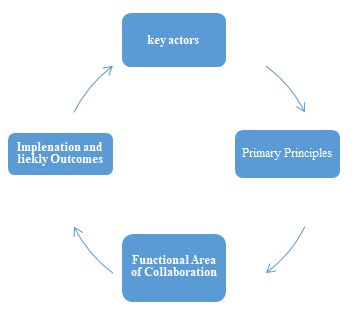
| Key actor/s | Primary principles | Functional Areas of Links & Collaboration | Implementation Cycle and likely outcomes |
| Government entities, NGOs, Advocacy groups, CBOs, Donors, and the Private Sector. | Inclusivity: Ensuring all voices are represented. -Coordination: Synchronized involvement of all sectors. -Justice: Fair and rigorous application of laws. -Peace: Commitment to nonviolent engagement and technical advocacy. | Strategic Planning: Building consensus and integrating plans to reduce conflict. Legal Harmonization: Enforcing traditional and modern legal processes. Knowledge Management: Reshaping public perception of conflict root causes. Technical Support: Providing consultancy and capacity building for stakeholders. | Early Warning: Launching analysis networks to assess risks and prevent violence. Regulatory Reform: Updating national and local laws for better conflict resolution. Neutral Oversight: Creating monitoring networks to ensure transparency. Community Platforms: Establishing arbitration tools and inclusive dialogue forums to build local ownership. Economic Recovery: Supporting the transformation toward long-term peace. |
Source: adapted from GPPAC 2017.
Source: Generated by the Researcher.
5. 1. MLAIA and the Prevention of Communal Conflict
The Multi-Level Actors Involvement (MLAI) framework is designed to bridge the structural disconnect between high-level state initiatives and grassroots realities. By formalizing the interaction between community leaders, CSOs, and state agencies, the MLAI approach shifts the focus from reactive crisis management to proactive conflict prevention. This mechanism operates on the premise that communal conflicts in Somalia are inherently multi-dimensional, requiring a synchronized response that addresses both immediate triggers and long-term grievances [30].
Clan dynamics remain the defining feature of the Somali political landscape, often fueling secessionist movements and undermining national cohesion [31]. The social structure is primarily organized around patrilineal lineages—specifically the Darod, Hawiye, Isaaq, Dir, and Digil/Mirifle [32]. These identities dictate political loyalty and access to resources. When these identities are politicized, even minor local feuds can rapidly escalate into national security threats.
| Region/State | Primary Contending Groups | Root Causes |
| Jubaland | Marehan vs. Gelidle; Majeerteen sub-clans | Land ownership and district-level power sharing. |
| Puntland | Sa’ad vs. Leelkase; Dhulbahante vs. Majeerteen | Blood feuds and retaliatory killings. |
| Sool/Sanaag | Dhulbahante vs. Isaaq (Habar Yonis/Je’lo) | Contested territorial sovereignty and clan feuds. |
| Galmudug | Dir (Surre) vs. Marehan; Habar Gedir sub-clans | Resource competition and inter-clan revenge. |
| Hirshabelle | Mudulod vs. Shiidle; Bantu vs. Hawiye | Resource disputes and historical marginalization. |
| South-West | Mirifle vs. Digil; Hawiye vs. Dir (Biyamal) | Power struggles and systemic revenge cycles. |
Source: EUAA (2025) & ACAPS (2025).
The exclusion of certain groups, such as the Bajuni and Bantu, from state development and international aid further deepens these social fractures, creating a cycle of poverty and resentment [33]. To counter this, an Integrated Local–Civil Society Mechanism (ILCSM) is proposed. Historically, escalating conflicts and the ineffectiveness of state institutions have resulted in a precarious and "uneasy" peace in Somalia. The proposed joint mechanism, involving CSOs, is vital for creating sustainable change. Because top-down methods repeatedly fail to tackle the root causes of conflict at the community level, the real strength of this framework lies in an integrated approach that brings together diverse sectors of society in inclusive, collaborative peacebuilding efforts.
A key element of this approach is the formation of community-led peacebuilding committees or councils. These groups—formed organically within villages, districts, or sub-clans—include local elders, religious leaders, women’s and youth representatives, business leaders, and traditional mediators. Unlike state-appointed bodies, these platforms are community-driven and include the following key mechanisms:
-
Community-Led Peace Committees: Composed of elders, youth, and the Guddi, these groups act as organic early-warning systems.
-
District Peace Platforms: Joint forums where CSOs and local authorities (including police and the judiciary) coordinate to address conflict drivers, such as youth unemployment.
-
Thematic Working Groups: Specialized networks for women and Internally Displaced Persons (IDPs) designed to ensure that marginalized voices are not sidelined in formal negotiations.
| Joint committees & Councils | Functional Areas of Links & Collaboration | Likely outcomes |
| Peace Conferences (Shirweyne) & Local Peace Committees | Multi-stakeholder bodies bridging formal government structures and grassroots communities to ensure local influence on peace policies. | Empowers local actors, ensures broad-based ownership, and enhances the sustainability of peace initiatives. |
| Facilitated Dialogues and Conflict Mapping | Participatory processes involving CSOs and local stakeholders to identify root causes, devise solutions, and implement peacebuilding activities. | Supports peaceful transitions by facilitating strategic initiatives, inclusive dialogue, and formal mediation. |
| Integrated Legal Systems (Xeer & Modern Law) | Harmonizing traditional customary laws (Xeer) and elder values (Odayaal/Nabadoon) with modern regulatory processes | Strengthens the rule of law, upholds legal frameworks, and improves arbitration processes. |
| Public-Private-Community Initiatives | Collaborative rebuilding of social infrastructure and cross-clan projects designed to foster trust and social cohesion. | Accelerates socio-economic recovery and supports the long-term transformation toward peace. |
| Participatory Monitoring and Evaluation | Establishing multi-actor monitoring networks to ensure transparency, oversight, and impartiality within affected communities. | Ensures fair application of peace agreements and enhances timely, effective conflict resolution. |
Source: Researcher's adaptation of Survey data (2026).
Source: Researcher's adaptation of Survey data (2026).
Findings and Functional Implications
The examination of the relationship between Civil Society Organizations (CSOs) and conflict prevention reveals that Somalia presents an exceptionally complex environment for security recovery. Somali CSOs face systemic inefficiencies and structural constraints, including state fragility, rigid clan norms, political interference, coordination deficits, and chronic donor dependency. These factors have fostered a fragmented landscape that obscures the potential of the civic sector amid instability. This conclusion aligns with existing scholarship [34][36], which emphasizes that institutional voids often stifle civic agency.
To address these gaps, this research proposes the Multi-Level Actors Involvement Approach (MLAIA). This mechanism creates a strategic alliance between "modern" CSOs, "community-based" grassroots organizations, the state, and private national/international stakeholders. The MLAIA is designed to position CSOs as key components in restoring economic growth, stability, and security across Somali communities.
In regions such as the South West, communities have long endured marginalization and prolonged crises characterized by displacement and resource diversion. These issues stem from deep-seated governance gaps and state fragility. However, despite these formidable obstacles, the resilience of local actors remains a primary driver of social impact. Within this context, the proposed MLAIA joint mechanism will empower Somali CSOs to respond effectively to public needs through the following strategic pillars:
Regulatory Reform: Establishing a resilient legal framework to replace bureaucratic hurdles and restricted civic space with supportive, enabling legislation.
Institutional Capacity Building: Enhancing technical expertise and management skills within both government institutions and CSOs to facilitate the effective execution of local mandates.
Trust and Impartiality: Promoting inclusivity and broad representation to ensure CSOs are perceived as unbiased and unaligned with specific clans or political factions.
Community Engagement and Ownership: Adopting a "bottom-up" approach that involves marginalized populations in decision-making and ensures interventions respond to specific local grievances.
Accountability and Advocacy: Utilizing participatory monitoring and civic education to deepen public understanding of the root causes of conflict and the mitigation process.
Conclusion
In contemporary Somalia, clan-based conflict has transitioned from a customary occurrence—historically centered on disputes over power and resources—into a structured "industry" fueled by the politicization of clan identities. The collapse of state institutions has left a vacuum in dispute resolution and service delivery, a gap that CSOs have proliferated to fill. However, the Somali civic sector remains unevenly developed, technically constrained, and donor-reliant, further obstructed by centralized governance and clan divisions.
Because the current elite-centered governance model is insufficient for sustainable peace, this study introduces the MLAIA as a viable joint mechanism for conflict mitigation. By empowering grassroots organizations, the MLAIA enables vigorous involvement in conciliating ongoing clan-based rivalries while fostering community ownership of the peace process. This paper recommends adopting the inclusive policies generated by this approach to reform the Somali civil society sector. Ultimately, enabling CSOs to expand the civic space and enhance public oversight provides a critical foundation for future research into the evolving role of the civic sector within Somalia’s security architecture.
References
- Barnes C. Agents for change: civil society roles in preventing war & building peace. Issue Paper 2. Laan van Meerdervoort: European Centre for Conflict Prevention; 2006. 90 p. DOI ↗ Google Scholar ↗
- Lewis D, Kanji N. Non-governmental organizations and development. London: Routledge; 2009. DOI ↗ Google Scholar ↗
- Chaurasiya P, Gautam D. Role of government and non-government organizations. Int J Creat Res Thoughts [Internet]. 2023 Dec [cited 2026 Mar 12];11(12):e2312407. Available from: DOI ↗ Google Scholar ↗
- Georgetown University. Conflict resolution [Internet]. Washington (DC): Georgetown University Library; 2026 [cited 2026 Mar 5]. Available from: http://library.georgetown.edu DOI ↗ Google Scholar ↗
- Zeraoulia F. Civil society organizations and peacebuilding in Libya: reality and challenges. In: Elayah M, editor. Governance without government in the MENA region. Cham (CH): Springer; 2026. p. 207-31. (Nonprofit and Civil Society Studies). DOI ↗ Google Scholar ↗
- Hussein K. Political movements in Iraq: the role of civil society after the October 25 revolution. J Learn Hist Soc Sci. 2025;2(3):111-22. DOI ↗ Google Scholar ↗
- Mahdi H. The role of civil society organizations in strengthening democratic development in Iraq. [Journal name unknown]. 2025;4(5):156-75. DOI ↗ Google Scholar ↗
- El Mahdi A, Abdelhamied I, Mahmoud L. Civil society and conflict in Sudan: shifting roles, challenges and priorities. Stromsburg (SE): International IDEA; 2024. DOI ↗ Google Scholar ↗
- Ekiyor T. The role of civil society in conflict prevention: West African experiences. Disarmament Forum. 2008;(4):27-34. DOI ↗ Google Scholar ↗
- Dhiblawe AM. The role of NGOs in promoting peace and security in Somalia. Soc Sci Humanit J. 2025;9(8):8737-48. DOI ↗ Google Scholar ↗
- Firmin A, Pousadela I, Tiwana M. 2025 State of civil society report [Internet]. Johannesburg (ZA): CIVICUS; 2025 [cited 2026 Jan 5]. Available from: DOI ↗ Google Scholar ↗
- Enjolras B. Duality of the idea of civil society as an institutionalized societal sphere and as a common world of action. J Civil Soc. 2025;21(4):331-49. doi: . DOI ↗ Google Scholar ↗
- Nilsson D, Svensson I, Teixeira B. Civil society and peace negotiations: evidence from Burundi and Liberia. Int Negot J. 2025;25(2):1-27. DOI ↗ Google Scholar ↗
- International IDEA. The state of democracy in Sudan: challenges to civic space. Stockholm (SE): International Institute for Democracy and Electoral Assistance; 2024. DOI ↗ Google Scholar ↗
- Human Rights Watch. World report 2025: Libya. New York (NY): Human Rights Watch; 2025. DOI ↗ Google Scholar ↗
- Ruppel S, Leib J. Same but different: the role of local leadership in the peace processes in Liberia and Sierra Leone. Peacebuilding. 2022;10(4):470-505. doi: . DOI ↗ Google Scholar ↗
- GPPAC. Multi-stakeholder processes for conflict prevention & peacebuilding: a manual. The Hague (NL): Global Partnership for the Prevention of Armed Conflict; 2017. DOI ↗ Google Scholar ↗
- Uvere I, Uturu I. Global challenges to statehood: the growing influence of non-state actors. Multi-discip J Law Educ Humanit. 2025;2(1):53-65. DOI ↗ Google Scholar ↗
- ACAPS. Somalia: impact of clan conflicts [Internet]. Geneva (CH): ACAPS; 2025 Jan [cited 2026 Jan 8]. Available from: DOI ↗ Google Scholar ↗
- EU SEE. Supporting and enabling environment for civil society: Somalia country focus report. [Place of publication unknown]: EU SEE; 2025. DOI ↗ Google Scholar ↗
- Nur AO. The role of civil society in state-building in Somalia. Open J Soc Sci [Internet]. 2024 Dec [cited 2026 Mar 20];12(12):e1212042. doi: . DOI ↗ Google Scholar ↗
- Hussein A (NGO Staff, Mogadishu, Somalia). Interview with: Elnazeer Saaeldin. 2026 Feb 15. DOI ↗ Google Scholar ↗
- Mohamed A (NGO Staff, Mogadishu, Somalia). Interview with: Ahmed Hassan. 2026 Feb 20. DOI ↗ Google Scholar ↗
- Abdirahman G (NGO Staff, Mogadishu, Somalia). Interview with: Ahmed Hassan. 2025 Nov 25. DOI ↗ Google Scholar ↗
- SONSA Bulletin. Advancing peace, governance, and civic engagement [Internet]. Mogadishu (SO): Somalia Non-State Actors (SONSA); 2025 [cited 2026 Apr 5]. Available from: DOI ↗ Google Scholar ↗
- Ibrahim H. The role of the traditional Somali model in peacemaking. J Soc Encount. 2018;2(1):60-8. DOI ↗ Google Scholar ↗
- Majid N, Abdirahman K, Theros M. Sustaining the post-agreement peace – Galkayo, Somalia. Edinburgh (UK): The Peace and Conflict Resolution Evidence Platform; 2025. DOI ↗ Google Scholar ↗
- Menkhaus K. Mediation efforts in Somalia. African Mediators' Retreat [Internet]. 2007 [cited 2026 Apr 12];2007:34-45. Available from: DOI ↗ Google Scholar ↗
- European Union Agency for Asylum. Somalia: country focus [Internet]. Valletta (MT): EUAA; 2025 May [cited 2026 Apr 5]. Section 1.5.1, Mapping of major clan conflicts/feuds. Available from: DOI ↗ Google Scholar ↗