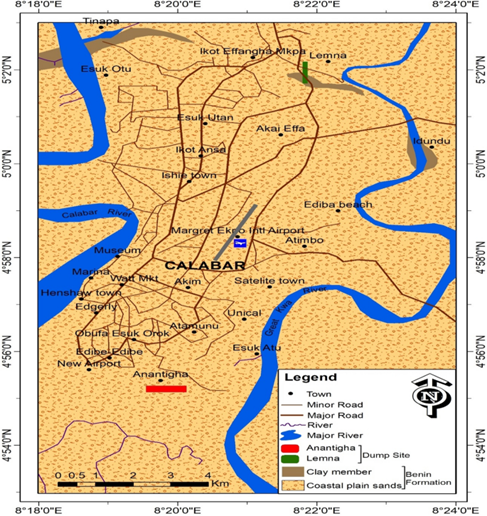
Abstract
This systematic literature review synthesizes the fragmented body of evidence on residential housing satisfaction in Calabar, Nigeria, to construct a consolidated knowledge base and identify critical research gaps. Employing a systematic review methodology, the study analyzed empirical research and grey literature from 2010-2025, sourced from academic databases and institutional repositories, applying thematic analysis to the selected texts. The findings reveal that satisfaction in Calabar is persistently low to moderate, primarily driven by a severe affordability crisis, deteriorating basic infrastructure (especially water and waste management), and the city's unique vulnerability to flooding. The synthesis demonstrates that these determinants align with foundational theories of human needs, where lower-order physiological and safety deficits overwhelm potential higher-order satisfactions. The review concludes that effective policy must prioritize integrated infrastructure upgrades and affordable housing initiatives, but it is constrained by significant evidence gaps, including a lack of longitudinal data and standardized measurement tools, highlighting the need for more robust, resident-centred research to inform urban development in Calabar.
Keywords
Housing Satisfaction Residential Satisfaction Housing Quality Nigeria Calabar Urban Housing.
1. Introduction
Housing constitutes a fundamental pillar of human dignity, social stability, and economic development, sitting at the critical intersection of urban governance, environmental sustainability, and individual well-being. Beyond mere shelter, housing functions as a key determinant of health, a repository of wealth, and a powerful indicator of social inclusion or exclusion (Mwoka et al., 2021; Mansour et al., 2022). The international community has formally recognized this multifaceted importance by enshrining adequate housing as a central tenet of the 2030 Agenda for Sustainable Development. Specifically, Sustainable Development Goal (SDG) 11 aims to “make cities and human settlements inclusive, safe, resilient, and sustainable,” with Target 11.1 focusing on ensuring “access for all to adequate, safe and affordable housing and basic services and upgrading slums” (United Nations, 2015).
This global framework elevates housing from a local policy concern to a universal metric of progress, positioning it as both an ultimate outcome and a key instrument for achieving sustainable urban futures. Within this context, the concept of residential satisfaction—defined as the subjective evaluation and degree of contentment residents experience with their current dwelling and its immediate neighbourhood environment—has emerged as an indispensable tool for assessing housing adequacy from the occupant’s perspective (Chen et al., 2023). It serves as a holistic proxy for quality of urban life because it synthesizes objective physical conditions, the adequacy of service provision, socio-psychological attachments, and economic pressures into a single, person-centred measure (Mohit et al., 2010; Chen et al., 2023). Empirical research consistently demonstrates that residential satisfaction is a multi-dimensional construct intrinsically linked to overall life satisfaction and mental well-being, and is highly sensitive to changes in infrastructure, tenure security, and neighbourhood dynamics (Ibem & Aduwo, 2013; Olufemi, 2018; Davoodi, 2020; Okopi, 2022; Chen et al., 2023).
The urgency of addressing housing adequacy and satisfaction is acutely felt within Nigeria, which is experiencing one of the most rapid and significant urban transitions in Africa. Recent estimates indicate that over 55% of Nigeria’s population now resides in urban areas, a figure that continues to climb due to a combination of high natural population growth and persistent rural-to-urban migration (Trading Economics, 2024). This demographic shift worsens a pre-existing and profound national housing crisis. While estimates vary, authoritative sources, including Nigeria’s National Development Plan, consistently cite a housing deficit in the range of 17 to 28 million units, highlighting a vast chasm between housing need and the availability of affordable, formal supply (Nigeria Economic Summit Group, 2021). This macro-level deficit manifests at the city level as intense pressure on land, soaring construction and rental costs, the proliferation of informal settlements, and the severe overextension of existing infrastructure (Nchor, 2022). Consequently, the average urban household in Nigeria often contends with compromised housing quality, overcrowding, and heightened vulnerability to environmental and economic shocks, all of which are primary drivers of residential dissatisfaction.
Calabar, the capital of Cross River State in southern Nigeria, presents a compelling and necessary case study for a focused inquiry into residential housing satisfaction. As a prominent secondary city, Calabar exemplifies the complex dynamics of many West African urban centers. While Calabar serves as a strategic hub for state administration and a growing tourism economy, it is simultaneously experiencing steady population growth, with current metropolitan estimates approaching several hundred thousand residents (MacroTrends, 2024). The city’s unique coastal and riverine geography, however, introduces another critical layer of environmental vulnerability. Its low-lying topography, combined with seasonal patterns of heavy rainfall, creates massive flood and drainage challenges that directly imperil housing structures, disrupt essential services, and undermine residents' perceptions of safety and security—each a core dimension of residential satisfaction (Etuonovbe, 2011; Asuquo, 2022).
Despite the clear and pressing local challenges such as poor housing structures (Agbor, 2021), inadequate implementation and formulation of government housing policies (Nkpoyen, 2021) and inadequate infrastructure and environmental quality (Ajom, Etim & Eteng, 2022), especially in neighborhoods like Akim Neighbourhood, Ikot Ansa, and Ikot Eneobong, scholarly research focused explicitly on residential satisfaction in Calabar remains relatively sparse within peer-reviewed literature, especially when compared to the volume of work on megacities like Lagos or Abuja. Consequently, existing knowledge is fragmented across disparate sources, including academic journals, government master plans, unpublished postgraduate theses, and non-governmental organization reports. This fragmentation poses an obstacle to evidence-informed policymaking, as the determinants, measurement scales, and findings related to housing satisfaction in Calabar have not been systematically collated and synthesized. The present study seeks to address this identified gap by conducting a systematic literature review that integrates conceptual frameworks of residential satisfaction, empirical findings from Nigeria and Calabar-specific materials to construct a coherent, data-driven understanding of the factors that shape household satisfaction in the city.
To this end, this review is guided by three interlocking objectives. First, it aims to clarify the conceptualization and operationalization of residential satisfaction within the academic literature, identifying robust and validated measurement instruments that could be adapted for future empirical work in Calabar. Second, it seeks to synthesize the empirical evidence on the key determinants of residential satisfaction in Nigeria, examining the roles of factors such as housing affordability, structural quality, neighbourhood amenities, and tenure security, while highlighting consistent patterns and critical contextual variations. Third, it will collate and analyze Calabar-specific studies and planning documents to align general findings with local socio-economic and environmental dynamics, thereby identifying precise evidence gaps that warrant further primary research.
Methodologically, this review is grounded in a systematic search strategy across major academic databases, including Scopus, Web of Science, Google Scholar, JSTOR, and ScienceDirect, as well as the repositories of key international institutions such as the World Bank and UN-Habitat. To capture critical grey literature, targeted searches of Nigerian university digital libraries and Cross River State government planning documents will also be conducted. The inclusion criteria will prioritize empirical studies (employing quantitative, qualitative, or mixed methods) and high-quality policy reports published in English between 2010 and 2025. A detailed account of the search protocols, screening procedures, and data extraction methodology is provided in the subsequent Methodology section.
2. Literature Review
2.1 Conceptual and Theoretical Frameworks
Residential housing satisfaction reflects the interplay between an individual’s needs, aspirations, and the objective realities of their living environment. At its core, it is defined as the subjective evaluation and feeling of contentment one experiences when their housing situation fulfills their needs and desires (Mohit & Raja, 2014). This evaluation is not monolithic but covers distinct yet interconnected dimensions, such as the physical, concerning the structural quality, design, and interior space of the dwelling; the social, relating to interactions with neighbors, sense of community, and safety; and the psychological, involving the emotional bonds, sense of belonging, and identity forged with one’s home and neighborhood (Emami, A., & Sadeghlou, 2021). Understanding residential satisfaction, therefore, requires moving beyond simplistic metrics of housing adequacy to grasp how individuals perceive and interact with their residential environment over time.
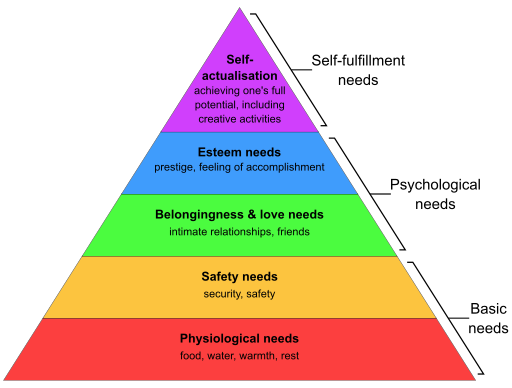
2.1.1 Resident Satisfaction and Maslow’s Hierarchy
The theoretical underpinnings of residential satisfaction are deeply rooted in foundational psychological theories of human motivation. Abraham Maslow’s (1943) hierarchy of needs provides a fundamental framework, positing that human needs are arranged in a hierarchy of prepotency. According to this theory, basic physiological needs (shelter, safety) must be sufficiently met before higher-order needs (belongingness, esteem, self-actualization) can become primary motivators. In housing, this suggests that satisfaction is initially driven by the adequacy of shelter from the elements and security from crime, but as these are met, residents begin to seek fulfillment through community integration, pride of place, and the expression of personal identity through their home (Brognoli, 2025). A housing unit that leaks or is located in a high-crime area fails at the most basic levels, making the attainment of higher-order satisfaction nearly impossible.
2.1.2 Resident Satisfaction and Housing Attachment
Building directly on Maslow’s needs-based approach, Morris and Winter’s (1975) Housing Adjustment Theory offers a more granular, sociologically-grounded model specific to housing behavior. This theory posits that households hold internalized cultural and familial norms for what constitutes acceptable housing (e.g., norms for space, privacy, ownership, and neighborhood type). Satisfaction here is determined by the congruence between these norms and the actual housing conditions. A perceived discrepancy, termed a "housing deficit," generates dissatisfaction and creates a propensity for the household to adjust its situation (Sadeghlou & Emami, 2023; Ghezelseflou & Emami, 2024). This adjustment can take the form of residential mobility (moving), residential adaptation (modifying the current dwelling), or family adaptation (altering norms and expectations). The theory acknowledges that adjustment behaviors are constrained by resources (income, time), market conditions, and discrimination, explaining why dissatisfied households may not always be able to move (Ghezelseflou & Emami, 2024). In a country like Nigeria, this framework is particularly salient as significant housing deficits and economic constraints often force households into a state of adaptation rather than mobility (Nchor, 2022).
2.1.3 Resident Satisfaction, Place Attachment and Environmental Psychology
The psychological dimension of residence is further elaborated by theories of place attachment and environmental psychology. Place attachment is the emotional bond that develops between individuals or groups and their physical environment. Scannell & Gifford (2010) organize this concept into a tripartite framework of Person, Process, and Place (PPP). The Person dimension considers whether the attachment is individual (based on personal memories) or collective (based on shared cultural identity). The Process dimension involves the affective (emotional ties), cognitive (memories, knowledge), and behavioral (investment, actions) components of the bond (Inalhan, Yang & Weber, 2021). Finally, the Place dimension specifies the object of attachment, which can be social (neighbors, community) or physical (the building, natural features) and can vary in scale from a single room to a city (Scannell & Gifford; Inalhan, Yang & Weber, 2021). This framework enriches satisfaction studies by explaining why residents may express high satisfaction with objectively poor-quality housing if strong social networks or historical ties create a powerful sense of place identity (Altman & Low, 1992; Scannell & Gifford, 2010).
2.1.4 Housing Satisfaction and Measurement Indicators
A critical understanding in measuring satisfaction is the actual-aspiration gap, which emphasizes how satisfaction is not an absolute assessment but a relative one, determined by the gap between a household’s current housing conditions and their aspirational standards or previous experiences (Alemu, Berhanu & Sokkido, 2025). As critiqued by Galster (1987), the relationship between objective housing attributes and satisfaction is not linear and is mediated by household characteristics. For instance, a large family in a small apartment will likely have a larger aspiration gap and lower satisfaction than a single person in the same unit. This links to the concept of satisficing, where households, unable to achieve their ideal housing due to constraints, adjust their aspirations downwards to a "satisfactory" level, thereby maintaining psychological equilibrium (McArthur & Stratford, 2021). This adaptation is a key reason why satisfaction levels can be unexpectedly high even in substandard housing conditions.
The measurement of this concept of housing satisfaction has evolved severely to capture its complexity. Early approaches relied on single-item global satisfaction questions, but they lack diagnostic power (Kabisch, 2022). Contemporary research, on the other hand, employs multi-item scales that tap into various aspects. The Residential Environmental Satisfaction Scale (RESS), developed by Adriaanse (2007), is one of such validated instrument that empirically identifies three core components, including satisfaction with the dwelling unit itself, satisfaction with the proximate neighborhood (e.g., infrastructure, aesthetics), and satisfaction with the social climate (neighbor relations, safety). Adriaanse’s work in the Netherlands found that the social climate was often the most cited predictor of overall satisfaction, highlighting the importance of community cohesion (Adriaanse, 2007).
For neighborhood-specific attributes, the Neighborhood Environment Walkability Scale (NEWS) and its abbreviated form (NEWS-A) provide a reliable measure of perceived environmental features linked to livability, such as land use mix, access to services, street connectivity, and safety, which are strongly correlated with walking behavior and, by extension, neighborhood satisfaction (Cerin et al., 2006; Cerin et al., 2019). Finally, the widely referenced Post-Occupancy Evaluation (POE) methodology represents a systematic process for assessing building performance after occupancy, blending qualitative user feedback with quantitative physical measurements of Indoor Environmental Quality (IEQ) parameters like thermal comfort, lighting, and acoustics (Lolli et al., 2022). POE as a measurement indicator is cited in several literature as invaluable for bridging the gap between design intentions and lived experience, providing actionable data for improving housing stock (Behar et al., 2017; Brown, 2018; Lolli et al., 2022; Khalil et al., 2024; Boissonneault & Peters, 2025).
2.2 Residential Housing Satisfaction in Nigeria
The empirical investigation of residential housing satisfaction in Nigeria must be contextualized within the nation’s profound and persistent housing crisis, a challenge that has been a central focus of policy and academic discourse for decades. As highlighted in foundational readings like Onibokun’s (1985) seminal work, the Nigerian housing problem is multifaceted, encompassing a massive deficit, widespread informality, and inadequate infrastructure. The policy response has been equally complex, albeit largely ineffective. As chronicled by Ogunshakin and Olayiwola (1992), official housing policy has historically vacillated between interventions like rent control and ambitious mass housing production schemes, many of which have collapsed due to flawed implementation, political instability, and economic constraints.
The current National Housing Policy, as articulated by the Federal Ministry of Housing and Urban Development (FMHUD), continues to affirm housing as a fundamental human right and aims to make the sector a major contributor to GDP by ensuring access to decent and affordable housing for all Nigerians. However, the reality on the ground, as reflected in data from the National Bureau of Statistics (NBS), reveals a stark contradiction. The national housing deficit is consistently estimated to be between 20 and 30 million units, with formal supply meeting only a fraction of the annual demand, which is driven by rapid urbanization rates exceeding 3.75% per annum (Choi, 2015; Moore, 2019; Uroko, 2025). This macro-level policy failure forms the critical backdrop against which individual and household experiences of residential satisfaction—or more often, dissatisfaction—are shaped.
2.2.1 Key Determinants of Housing Satisfaction
Empirical studies conducted across Nigeria have consistently identified a core set of determinants that influence residential satisfaction, often reflecting a hierarchy of needs similar to those proposed by Maslow. Research by Ibem and Aduwo (2013) in public housing estates in Ogun State found that the most potent predictors of satisfaction were not the aesthetic features of the dwelling but rather fundamental concerns related to security, and the adequacy of thermal and visual comfort. This suggests that for many Nigerians, the basic needs for safety and physiological comfort are not yet fully met, positioning these factors as primary drivers of dissatisfaction. Furthermore, more recent supporting studies, like those of Maina (2021), reveal that satisfaction levels were significantly higher with dwelling unit features than with neighborhood facilities and services, pointing to a critical failure in the provision of public infrastructure.
This finding is corroborated by Babalola (2016), as well as Lawanson & Onifade’s (2013) comparative study of public and private medium-income estates in Lagos, which found that despite generally high satisfaction with environmental conditions in gated communities, dissatisfaction was pronounced regarding infrastructure, specifically electrical works within the dwelling and the condition of roads and drainage in the neighborhood. Affordability and tenure security also emerge as key determinants (Akindele et al., 2025). In line with Akindele et al. (2025), Habila (2023) noted that mortgage holders and those who participated in the construction of their homes (as in core housing schemes) expressed higher satisfaction than renters, highlighting the psychological and financial security associated with homeownership and resident involvement.
The role of housing tenure and management is a particularly telling differentiator in the Nigerian context. The comparison between public and private housing provision, as illustrated by Lawanson & Onifade, reveals disparities in resident satisfaction. Occupants of the private estate (Mayfair Gardens) reported a higher Relative Satisfaction Index (RSI=4.34) than those in the public estate (Abraham Adesanya, RSI=3.53). This was largely attributed to more effective estate management, better-maintained infrastructure like tarred roads and drainage, and higher rates of owner-occupancy (74% vs. 47.6%). This aligns with the broader observation that the collapse of effective public housing management eroded confidence in state-provided shelter, pushing those who can afford it toward the private sector (Lawanson & Onifade, 2013). The socio-economic profile of residents is, therefore, a key mediating variable. Higher-income households, as in the private estates, possess greater resources to overcome infrastructural deficits through private alternatives like boreholes and power generators, thereby maintaining a higher level of satisfaction despite public service failures (Sakariyau et al., 2023). This creates a scenario where residential satisfaction is as much a function of a household's capacity to compensate for state failure as it is of the objective quality of the housing itself.
2.2.2 Role of Informal Settlements and Self-Help Housing
Given the formal sector's inability to meet demand, a predominant feature of the Nigerian urban environment is the informal settlement and the practice of self-help housing. As United Nations (2025) reports about 80 million Nigerians, representing 79% of the population, live in slums and informal settlements. These areas, while often lacking in formal infrastructure and tenure security, represent a critical adaptive response to the housing deficit (Ozor et al., 2025). The satisfaction dynamics within these contexts are complex. While residents may face severe challenges related to overcrowding, insecure tenure, and inadequate sanitation, studies often find pockets of satisfaction driven by strong social cohesion, community-based support systems, and the incremental improvement of dwellings over time—a process that fosters a sense of ownership and place attachment (Ozor et al., 2025).
However, interventions in these areas, such as slum upgrading programs, have met with mixed results. For example, the experience of the Lagos Metropolitan Development and Governance Project (LMDGP) in Badia East, as analyzed by Nnamani (2022), Onyekwelu, Ogbuefi & Collins (2022) emphasizes the challenges. While intended to improve living conditions, the project highlighted the immense difficulties associated with involuntary resettlement and the implementation of Resettlement Action Plans (RAPs). The case like many similar cases of slum upgrade resistance across Nigeria, reveals that without an integrated approach that carefully navigates the complex legal, institutional, and political economy terrain, well-intentioned upgrading projects can inadvertently disrupt social networks and livelihoods, ultimately undermining the very residential satisfaction they seek to enhance (Onyekwelu, Ogbuefi & Collins, 2022). This suggests that successful interventions must move beyond a purely physical infrastructure focus to incorporate participatory approaches that recognize and strengthen the social determinants of satisfaction already present in informal communities.
2.3 Residential Housing Satisfaction in Calabar
The study of residential housing satisfaction in Calabar is grounded within its unique identity as a historic, coastal secondary city experiencing the tensions of modern urban growth. As the capital of Cross River State, Calabar functions as an administrative and tourism hub, with a metropolitan population estimated to be well over half a million people (The Calabar Municipal Story, n.d.; Okwajie et al., 2024). This growth has placed pressure on the city's housing stock and infrastructure (Onnoghen et al., 2024; Okwajie et al., 2024). The institutional response has been articulated through various planning initiatives, most notably the Urban Development Master Plan developed with technical assistance from Cowater (2009), which aimed to provide a structured framework for city expansion and service delivery. The Calabar Urban Development Authority (CUDA) is the primary body tasked with implementing this vision, operating within a broader state development context. Recently, the Cross River State Government (2024) launched a 10-Year State Development Plan (2024-2033), which prioritizes infrastructure upgrades, including drainage, waste management, and roadworks, acknowledging their fundamental role in improving urban livability and, by extension, residential satisfaction (Cross River Watch, 2024). However, as noted in the capacity assessments accompanying the master plan, persistent challenges in institutional capacity, funding, and implementation fidelity often create a gap between policy ambition and on-the-ground reality, a common issue in Nigerian urban governance (Adinya, Otu & Erim, 2024).
The dynamics of housing supply in Calabar are characterized by a reliance on informal and self-built construction, with the formal sector struggling to meet demand, particularly for low and middle-income households (Onnoghen et al., 2024). This has resulted in a landscape where incremental housing development, often on precarious or informally acquired land, is the norm (Onnoghen et al., 2024; Bassey, 2024). Empirical research specifically focused on measuring residential satisfaction in Calabar is emerging but remains limited in scale and scope compared to studies of larger Nigerian cities. However, a key study by Ajom, Mfon, Moses, & Eteng (2022) assessed satisfaction in estates in Calabar, categorizing determinants into housing location, physical facilities, and environmental factors. Using a Relative Satisfaction Index (RSI), they found that residents were only "fairly satisfied," with major dissatisfaction stemming from inadequate waste management, unreliable water supply, and the deteriorating state of physical amenities (Mfon, Moses, & Eteng, 2022). This aligns with findings from other Nigerian studies but highlights a critical local failure in the maintenance and management of public housing assets.
The socio-cultural and economic fabric of Calabar, predominantly inhabited by the Efik and Qua peoples, adds another layer to housing satisfaction dynamics. The strong cultural identity and tradition of communal living, as highlighted by the importance of the Obong of Calabar and ward-based administration (Calabar Municipal Local Government, n.d.), suggest that social cohesion and neighborhood relations may be potent factors in place attachment and satisfaction. However, these potential strengths are tested by urban pressures. Furthermore, the legacy of urban renewal programs has been mixed. Research by Enang (2020) on urban renewal housing programmes in Calabar Metropolis found that such initiatives have largely failed to solve the housing problem for low-income earners. The study pointed to mechanisms for resource sharing that do not benefit the majority, indicating that top-down redevelopment projects sometimes exacerbate socio-economic disparities and disrupt existing community networks, thereby negatively impacting the socio-economic well-being of residents and their satisfaction with new housing situations (Enang, 2020).
In addition to the socio-economic factors affecting satisfaction levels, Calabar’s distinct environmental challenges profoundly shape housing satisfaction in ways less pronounced in inland cities. Its low-lying, coastal geography makes it highly susceptible to seasonal flooding. Ingwe (2012) documented the heavy reliance on structural flood control measures by government agencies, while communities often resort to rudimentary non-structural adaptations. This persistent environmental threat undermines housing durability, damages household possessions, increases maintenance costs, creates health hazards, and fosters a pervasive sense of insecurity. Consequently, effective drainage and flood resilience are not merely infrastructure issues but fundamental local determinants of residential satisfaction. Compounding this is the issue of visual pollution. A recent study by Bassey (2024) in Calabar Central City identified advertisement billboards, unkempt buildings, litter, and dilapidated infrastructure as significant sources of visual pollution that negatively impact residents' mental well-being, property values, and overall aesthetic satisfaction (Bassey, 2024). This indicates that the perceived quality of the public space is an important, though often overlooked, component of livability in Calabar.
Consistently, the literature suggests that residential satisfaction in Calabar is influenced by a confluence of factors, including the reliability of basic services (water, waste management), the quality of the neighborhood environment (particularly drainage and flood control), the adequacy of housing design and maintenance, and the affordability and tenure security associated with different provision models (public, private, self-built) (Ajom et al., 2022; Bassey, 2024; Onnoghen et al., 2024). Despite the insights available, clear evidence gaps persist that this review seeks to address. There is a shortage of large-scale, standardized studies of residential satisfaction specific to Calabar, a lack of longitudinal data that would reveal how satisfaction responds to infrastructure or policy interventions, and limited integration of objective building- and environment-performance measures (e.g., POE data) with subjective satisfaction metrics. This paper therefore aims to synthesize and harmonize existing empirical findings and grey literature to produce a consolidated, data-driven account of the principal determinants of housing satisfaction in Calabar, to map where evidence is robust or thin, and to identify measurement instruments and indicators best suited for future local research.
3. Methodology
This study employs a systematic literature review design, a methodological approach justified by the need to map, synthesize, and critically evaluate the existing but fragmented body of knowledge on residential housing satisfaction in Calabar, Nigeria. Given that the primary research problem is the scarcity and dispersal of evidence, a systematic review is the most appropriate strategy to provide a comprehensive, transparent, and reproducible synthesis of available literature. This approach allows for the identification of consistent patterns, salient determinants, and critical gaps across a wide range of sources, thereby constructing a consolidated evidence base to inform future primary research and policy formulation (Xiao & Watson, 2019).
The data for this review were drawn from a diverse array of secondary sources to ensure breadth and depth. Systematic searches were conducted across major academic databases, including Scopus, Web of Science, Google Scholar, JSTOR, and ScienceDirect. To capture critical grey literature and local context, targeted searches were also performed in the repositories of international institutions (e.g., World Bank, UN-Habitat), Nigerian university digital libraries, and Nigerian government portals (e.g., National Bureau of Statistics, Cross River State Government). The search strategy utilized a combination of keywords and Boolean operators, such as ("residential satisfaction" OR "housing satisfaction") AND ("Nigeria" OR "Calabar" OR "Cross River State") AND ("determinants" OR "factors" OR "measurement"). The timeframe for inclusion was set from 2010 to 2025 to capture both foundational theories and the most recent empirical studies.
Clear inclusion and exclusion criteria were established to ensure the relevance and quality of the selected literature. Included were empirical studies (employing quantitative, qualitative, or mixed methods), high-quality policy reports, and theoretical/conceptual papers published in English that directly addressed residential satisfaction, its determinants, or its measurement in urban Nigerian contexts, with a specific focus on Calabar where available. Studies were excluded if they focused solely on rural housing, were purely opinion-based without empirical data, or were unavailable in full text. The screening process involved an initial review of titles and abstracts, followed by a full-text assessment of potentially relevant documents.
The method for synthesizing the literature was primarily thematic analysis, guided by the research objectives. Following data extraction, the findings were organized and analyzed thematically to identify recurring themes and patterns related to the conceptualization of satisfaction, its key determinants in Nigeria and Calabar, and the methodologies used for its assessment. A comparative approach was also employed to juxtapose findings from different contexts (e.g., public vs. private housing, Calabar vs. other Nigerian cities) to draw out contextual nuances and broader lessons.
Despite its rigor, this methodology is subject to several limitations inherent in relying solely on secondary data. Publication bias may be present, as studies with statistically significant or positive findings are more likely to be published in academic journals, potentially skewing the synthesis. There is also significant heterogeneity in how residential satisfaction is defined and measured across studies, making direct comparisons challenging. Furthermore, the language restriction to English may have excluded relevant studies published in other languages. Finally, the reliance on existing literature means that the review is constrained by the gaps in primary research, particularly the lack of large-scale, standardized surveys specific to Calabar. These limitations are acknowledged, and the review's conclusions are framed with these constraints in mind.
4. Findings
The reviewed studies on residential satisfaction in Calabar and Nigeria reveal a recurring set of determinants—affordability, physical quality, environmental amenities, location, and management of housing services. The analysis also shows differences in satisfaction outcomes across tenure types, income categories, and institutional housing settings (students, public housing estates, and private renters). To ensure clarity, the findings are presented both narratively and through summary tables that map the quantitative and qualitative evidence.
4.1 Quantitative Synthesis of Determinants of Residential Satisfaction
Across the studies, affordability, physical housing features, and environmental conditions emerged as the most cited determinants. Table 1 aggregates the frequency of these determinants across the sampled studies.
| Determinant | No. of Studies Identified | Direction of Effect | Notable Sources (Calabar-focused) |
| Affordability / Rent Burden | 5 | Negative – High rent-to-income ratio reduces satisfaction | Okon & Ikelegu (2021), Animashaun (2010) |
| Physical Facilities (space, rooms, toilets, ventilation) | 7 | Mixed – Adequate room sizes increase satisfaction, poor toilets/ventilation reduce it | Sylvester et al. (2014), Atamewan (2022) |
| Environmental Amenities (water, waste disposal, drainage, recreation) | 6 | Negative – Deteriorating or absent facilities lower satisfaction | Ajom et al. (2022), Animashaun (2010) |
| Location & Accessibility | 4 | Positive if close to services; negative if remote | Ajom et al. (2022), Ekop (2012) |
| Safety & Security | 3 | Positive – Safe environments strongly associated with satisfaction | Eteng et al. (2022), Okon & Ikelegu (2021) |
| Socio-economic Characteristics (income, education, household size) | 4 | Mixed – Higher income improves satisfaction; larger households reduce it | Sylvester et al. (2014), Okon & Ikelegu (2021) |
The frequency distribution in Table 1, shows that while affordability and facilities dominate discussions, location and security are emerging as increasingly relevant in recent studies, especially in urbanizing Calabar.
4.2 Measurement Instruments Used in the Literature
The reviewed studies employed diverse instruments for measuring satisfaction, ranging from simple indices to multidimensional scales. Table 2 summarizes these approaches.
| Study (Calabar) | Instrument Used | Key Features |
| Ajom et al. (2022) | Relative Satisfaction Index (RSI) | Used Likert-scale ratings to rank satisfaction with facilities and environment. |
| Sylvester et al. (2014) | Cross-sectional survey (overall % satisfaction) | Focused on normative attributes: physical, economic, environmental, functional. |
| Atamewan (2022) | Structured questionnaire + physical observation | Combined subjective satisfaction with architectural/space analysis. |
| Okon & Ikelegu (2021) | Cross-sectional + Chi-square tests | Focused on affordability and quality correlations. |
| Ekop (2012) | PCA & qualitative methods | Explored interrelationships among housing variables. Uses Principal Component Analysis (PCA) to identify latent factors or inferential tests (Chi-square) to examine relationships. |
| Ogar et al. (2022) | Questionnaire with Descriptive Statistics | Multi-item questionnaires analyzed using frequencies, percentages, and cross-tabulations. |
| Eteng et al. (2022) | RSI (five-point Likert scale) | Focused on students’ satisfaction (privacy, ICT, security). Mean score calculated from ratings on a Likert scale (e.g., 1-5) for various housing attributes. |
| Animashaun (2010) | Comparative analysis | Contrasted slum vs planned estate satisfaction levels. |
The use of the RSI is prominent in recent Calabar-based studies, reflecting an effort to quantify satisfaction dimensions more systematically. However, older works often relied on descriptive comparisons and thematic categorization. Another key finding is the absence of validated, multi-dimensional scales like the Residential Environmental Satisfaction Scale (RESS) or Neighborhood Environment Walkability Scale (NEWS) in the Calabar-specific literature.
Key Results for Calabar and Nigeria
The evidence from Calabar consistently shows low-to-moderate satisfaction levels, with dissatisfaction most pronounced among low-income groups and residents of deteriorating estates. The synthesized evidence points to a few core findings, one, generally low satisfaction across public housing estates (Ajom et al., 2022) and low-income areas (Sylvester et al., 2014). Secondly, the primary driver of dissatisfaction is the yawning gap in basic infrastructure. Studies by Ajom et al. (2022) and Atamewan (2022) consistently show that while residents may be moderately satisfied with their dwelling units, they are deeply dissatisfied with the failure of water supply, waste management, and electricity. Thirdly, Calabar's specific environmental vulnerability makes flooding and drainage a main concern. Ogar et al. (2022) found that 69.5% of respondents in risk zones experience severe flooding 3-4 times annually, creating a persistent backdrop of risk and material loss that severely undermines residential satisfaction. Finally, the affordability crisis. The work of Okon et al. (2021) highlights that housing is unaffordable for a vast majority, with 80% of residents in Calabar spending over 30% of their income on housing, forcing them into poor-quality, high-risk accommodations.
| Study & Year | Population Sample | Major Findings | Satisfaction Trend |
| Ajom et al. (2022) | 100 households, 5 estates | Facilities deteriorating; fair satisfaction with location but poor environment. | Low to moderate |
| Sylvester et al. (2014) | 250 urban poor households | Overall satisfaction 44%; highest dissatisfaction with toilets, ventilation, room size. | Low |
| Atamewan (2022) | 155 households, CROSPIL estate | High satisfaction with room size; dissatisfaction with dining/toilet; lack of neighborhood facilities. | Mixed |
| Okon & Ikelegu (2021) | 384 households | 80% spend >30% income on housing; affordability crisis strongly reduces satisfaction. | Low |
| Ekop (2012) | 375 households | Poor housing quality among low-income groups; weak policy implementation. | Low |
| Ogar et al. (2022) | 400 respondents | Flood Risk: 69.5% of respondents experience severe flooding 3 to 4 times a year, 10.5% experience flooding twice a year, while 20% experience flooding once a year. | Low (implied) |
| Animashaun (2010) | 549 households (Mbukpa slum), 150 (State Estate) | Stark contrasts: slum residents dissatisfied; estate residents satisfied. | Polarized |
| Eteng et al. (2022) | 150 students | Fairly satisfied overall; weakest satisfaction with privacy and ICT. | Moderate |
Across these studies, the consensus is that affordability and environmental quality are the strongest predictors of dissatisfaction, while housing design features such as room size sometimes generate positive assessments.
4.4 Patterns by Tenure, Income, and Group
As shown in Table 4, the findings also reveal important variations across tenure and socio-economic groups.
| Group/Category | Satisfaction Pattern | Example Evidence |
| Owner-occupiers | Higher satisfaction with space and design, but constrained by poor neighborhood services. | Atamewan (2022) – 68.6% owner-occupiers satisfied with housing unit, not environment. |
| Renters | More dissatisfied with affordability and maintenance. | Okon & Ikelegu (2021) – renters spend >30% of income on housing. |
| Low-income households | Most dissatisfied; high tolerance for overcrowding but poor ventilation, toilets, and water supply. | Sylvester et al. (2014); Ekop (2012). |
| Students in hostels | Moderate satisfaction; privacy and ICT weakest aspects. | Eteng et al. (2022). |
| Planned estates vs. slums | Wide disparities – planned estates show higher satisfaction, slums lowest. | Animashaun (2010). |
These results show that satisfaction is not uniform across the population; it is mediated by socio-economic capacity, tenure type, and the institutional setting of housing provision.
Taken together, the findings establish a multi-dimensional picture where housing satisfaction in Calabar is persistently undermined by affordability pressures, deteriorating facilities, and weak urban services. Where design features are adequate, such as room sizes in CROSPIL, satisfaction levels improve slightly, but broader dissatisfaction with environmental conditions and affordability outweighs these gains. Planned estates and higher-income households report relatively better outcomes, highlighting deep inequalities in the housing market.
5. Discussion
This review set out to clarify how residential satisfaction is conceptualized and measured, to synthesize empirical evidence on the principal determinants of satisfaction in Nigeria and Calabar, and to collate Calabar-specific materials in order to identify evidence gaps. The synthesis of findings across the selected studies shows that these objectives were largely met. The review consolidates a consistent pattern in which affordability, the adequacy of basic services and infrastructure, housing physical quality, and environmental risk (notably flooding) are the dominant drivers of residential satisfaction in Calabar and comparable Nigerian contexts (Okon & Ikelegu, 2021; Ajom et al., 2022; Sylvester et al., 2014). At the same time, the review exposes important measurement and evidence gaps—most notably the near-absence of standardized, validated multi-item instruments (e.g., RESS, NEWS) and a dearth of longitudinal and POE-style studies that could connect interventions to changes in occupant well-being (Adriaanse, 2007; Lolli et al., 2022). Although the objectives were achieved in the sense of mapping and synthesizing disparate evidence, the empirical base in Calabar remains too thin for drawing robust causal inferences.
Interpreting the empirical regularities through theoretical lenses helps explain why certain factors repeatedly surface as decisive. Maslow’s hierarchy foregrounds why affordability and basic service reliability dominate residents’ priorities. That is, when physiological and safety needs (secure shelter, water, drainage, reliable electricity) are unmet, higher-order satisfiers such as place identity or aesthetic preference recede in importance (Maslow, 1943). The weight of affordability in the Calabar literature—where a large share of households spend over 30% of income on housing—therefore maps directly onto lower-order need frustration and hence low reported satisfaction (Okon & Ikelegu, 2021). Housing Adjustment Theory (Morris & Winter, 1975) clarifies household responses to these deficits, as limited financial or market mobility forces many households into ‘adaptation’ rather than relocation, producing satisficing behaviours and a complex mix of expressed satisfaction and persistent deprivation reported in several studies (Sylvester et al., 2014; Animashaun, 2010). Place attachment and environmental psychology (Scannell & Gifford, 2010) explain the paradoxical findings where social climate and identity sometimes generate positive satisfaction scores despite objectively poor physical conditions—strong kinship networks and cultural belonging in Calabar may buffer dissatisfaction but cannot fully substitute for failing infrastructure (Ajom et al., 2022; Bassey, 2022). The actual–aspiration gap (Galster, 1987) is visible throughout, with households comparing reality with expectations shaped by prior experience, income, and cultural norms, producing heterogeneous satisfaction even within the same neighbourhood.
Although the weight of evidence converges on a fairly small set of determinants, the evidence base has notable strengths and weaknesses. Strengths include the relative consistency of cross-sectional findings across different population groups (public estates, slum dwellers, students, university staff) and the growing use of mixed methods and spatial tools (e.g., GIS-based flood risk overlays) to contextualize subjective responses (Ogar et al., 2022; Okoye, 2025). However, weaknesses are prominent and constrain interpretation. Most studies are cross-sectional and use small or non-probability samples (limiting representativeness), there is substantial heterogeneity in measurement (RSI, single-item global scores and ad-hoc indices), and few studies triangulate subjective satisfaction with objective performance metrics such as IEQ or engineering assessments (Lolli et al., 2022). Moreover, Calabar-specific research is modest in scope and scale compared with national literature, producing sampling and generalizability limitations that undermine policy translation.
For Cross River State and municipal authorities in Calabar, the implications are clear. Policies that prioritize basic service reliability—water supply, waste collection, drainage and flood control, and dependable power—would likely yield the largest gains in resident satisfaction given the primacy of lower-order needs in the local context (Okon & Ikelegu, 2021; Ajom et al., 2022). Incremental upgrading approaches that combine targeted infrastructure delivery with community participation are likely to be more feasible and socially acceptable than large-scale redevelopment, which earlier studies show can disrupt social networks and worsen outcomes for the poorest (Animashaun, 2010; Enang, 2020). Estate and asset management also emerged as a proximate lever for improving lived experience; strengthening management capacity in public estates and encouraging resident co-management can improve maintenance and thereby satisfaction (Okoye, 2025). Given Calabar’s flood vulnerability, integrating engineered drainage interventions with non-structural community preparedness (education, early warning, legal tools for land use) will be necessary to protect housing investments and residents’ sense of security (Ingwe, 2012; Ogar et al., 2022). Finally, routine post-occupancy evaluations (POE) and complaints/feedback mechanisms should be institutionalized so that planners receive timely user data to inform maintenance and incremental improvements (Lolli et al., 2022). In sum, the current literature provides a coherent starting point; it identifies the most salient problems and plausible solutions, but converting insight into durable improvement requires better measurement, stronger causal designs, and institutionalized feedback loops between residents and planners.
6. Conclusion
This systematic literature review has synthesized the existing body of knowledge on residential housing satisfaction in Calabar, Nigeria, against the backdrop of broader national and theoretical frameworks. The analysis confirms the lack of available and robust research focused on residential housing satisfaction in Calabar. The findings also consistently demonstrate that resident dissatisfaction stems not from aesthetic preferences but from profound deficits in basic necessities. Key determinants include the chronic inadequacy of neighbourhood infrastructure—particularly water supply, waste management, and drainage systems—severe housing affordability constraints that force most households to spend over 30% of their income on shelter, and the unique, pervasive threat of seasonal flooding which compromises housing security and durability. Furthermore, the evidence reveals disparities in satisfaction levels between socio-economic groups and housing tenures, with ineffective estate management emerging as a key differentiator between successful and failing housing developments. Derived from these insights, this review proposes the following policy recommendations aligned with the study objectives:
-
To enhance measurement and planning, the Cross River State Government, through the Calabar Urban Development Authority (CUDA), should adopt and standardize validated, multi-dimensional assessment tools like the Residential Environmental Satisfaction Scale (RESS) for periodic city-wide audits. This data-driven approach will enable targeted interventions based on empirical evidence of resident priorities rather than assumptions.
-
To address core determinants of dissatisfaction, policy must prioritize integrated infrastructure investment. This includes upgrading drainage and flood control systems in high-risk areas, ensuring reliable water and electricity provision, and establishing efficient waste management services. Simultaneously, promoting public-private partnerships for the development of affordable housing units and exploring innovative mortgage schemes are crucial to alleviating the affordability crisis.
-
To tailor interventions to Calabar, urban renewal and slum upgrading programs must be participatory and sensitive to local socio-cultural dynamics. Initiatives should focus on in-situ improvements that strengthen social cohesion and provide tenure security, rather than leading to displacement. Enforcement of building codes and support for the use of flood-resilient construction materials are also essential for sustainable urban development.
Despite these findings, significant research gaps remain. Future studies should employ longitudinal designs to track changes in satisfaction following policy interventions. There is a pressing need for research that utilizes robust, multi-item validated scales to provide a more comprehensive understanding of satisfaction dimensions. Furthermore, investigations into the role of place attachment, social capital, and cultural norms in mediating housing satisfaction within Calabar’s unique context would provide valuable depth. Closing these evidence gaps is imperative for formulating the effective, resident-centred policies necessary to achieve the goal of adequate and satisfying housing for all residents of Calabar.
References
- Adinya, F., Otu, A., & Erim, F. (2024, August 29). Governor Otu Launches 10 Years State Development Plan. CrossRiverWatch. DOI ↗ Google Scholar ↗
- Adriaanse, C. C. M. (2007). Measuring residential satisfaction: a residential environmental satisfaction scale (RESS). Journal of Housing and the Built Environment, 22(3), 287–304. DOI ↗ Google Scholar ↗
- Agbor, E. A. (2021). Assessment and Analysis of Urban Sprawl and Squatter Settlements in Calabar Metropolis. European Journal of Development Studies, 1(4), 37-43. DOI ↗ Google Scholar ↗
- Ajom, S. K., Etim, N. M., & Eteng, S. U. (2022). Slum prevalence and crime incidence in Calabar, Nigeria. Global Sustainability Research, 1(1), 41-50. DOI ↗ Google Scholar ↗
- Ajom, S. K., Mfon, I. E., Moses, N. E., & Eteng, S. U. (2022). Residential Housing Satisfaction in Public Housing Estates in Calabar, Cross River State, Nigeria. Journal of Social Sciences and Management Studies, 1(2), 63–64. DOI ↗ Google Scholar ↗
- Akindele, A., Arayela, O., Adegbile, M., & Ajayi, O. (2025). Determinants of Residential Satisfaction: A Study of Housing Quality, Neighbourhood Features, and Socioeconomic Factors. Journal of Built Environment and Geological Research. DOI ↗ Google Scholar ↗
- Al Jahdhami, M. (2024). An ethnographic investigation into how social practices inform sustainable building design in Oman (Doctoral dissertation, University of Reading). DOI ↗ Google Scholar ↗
- Alemu, L. S., Berhanu, W., & Sokkido, D. L. (2025). Determinants of residential satisfaction: an actual-aspiration gap theory analysis in low-cost condominium housing, Addis Ababa, Ethiopia. Urban, Planning and Transport Research, 13(1), 2475960. DOI ↗ Google Scholar ↗
- Altman, I., & Low, S. M. (Eds.). (1992). Place attachment. Plenum Press. DOI ↗ Google Scholar ↗
- Asuquo, M. E. (2022). An assessment of flood vulnerability and adaptation strategies in Calabar Metropolis, Cross River State, Nigeria. ResearchGate. DOI ↗ Google Scholar ↗
- Babalola, D. O. (2016). Assessment of housing quality of selected residential estates in Lagos state, Nigeria. A Ph. D. DOI ↗ Google Scholar ↗
- Bassey, S. I. (2024). Assessment of the Visual Pollution of Urban Landscape in Calabar Central City, Cross River State. International Journal of Research Publication and Reviews, 5(11), 7652-7663. DOI ↗ Google Scholar ↗
- Behar, C., Bradshaw, F., Bowles, L., Croxford, B., Chen, D., Davies, J., ... & Von Bradsky, A. (2017). Building knowledge: pathways to post occupancy evaluation. Reading: RIBA (Royal Institute of British Architects) and University of Reading. DOI ↗ Google Scholar ↗
- Boissonneault, A., & Peters, T. (2025). The POE paradigm in architecture: practices and perspectives of Canadian practitioners. Building Research & Information, 1-17. DOI ↗ Google Scholar ↗
- Brognoli, G.N. (2025). Searching for Home: Exploring the relationship between living in apartment buildings and newcomers' sense of belonging. DOI ↗ Google Scholar ↗
- Brown, T. L. (2018). A critical assessment of the place of post-occupancy evaluation in the critique and creation of socially responsible architecture. Intelligent Buildings International, 10(3), 182-193. DOI ↗ Google Scholar ↗
- Calabar Municipal Local Government. (n.d.). The Calabar Municipal Story. Retrieved December 15, 2024, from DOI ↗ Google Scholar ↗
- Cerin, E., Conway, T. L., Barnett, A., Smith, M., Veitch, J., Cain, K. L., ... & Sallis, J. F. (2019). Development and validation of the neighborhood environment walkability scale for youth across six continents. International journal of behavioral nutrition and physical activity, 16(1), 122. DOI ↗ Google Scholar ↗
- Cerin, E., Saelens, B. E., Sallis, J. F., & Frank, L. D. (2006). Neighborhood Environment Walkability Scale: validity and development of a short form. Medicine and Science in Sports and Exercise, 38(9), 1682–1691. DOI ↗ Google Scholar ↗
- Chen, T., Luh, D., Hu, L., & Shan, Q. (2023). Exploring factors affecting residential satisfaction in old neighborhoods and sustainable design strategies based on post-occupancy evaluation. Sustainability, 15(21), 15213. DOI ↗ Google Scholar ↗
- Cowater. (2009). Urban Development Master Plans for Calabar City and Development Areas in Cross-River State. Retrieved from DOI ↗ Google Scholar ↗
- Cross River State Government. (2024). Cross River State FY 2025 Budget Publication. Retrieved from DOI ↗ Google Scholar ↗
- Cross River Watch (2024, August 29). Governor Otu launches 10-year state development plan. CrossRiverWatch. DOI ↗ Google Scholar ↗
- Davoodi, T. (2020). An Evaluation on Residential Satisfaction in Historic Urban Quarters: The Case of the Walled City, Famagusta. DOI ↗ Google Scholar ↗
- Davoodi, T., Yapicoglu, B., & Dağli, U. U. (2023). Measuring residential satisfaction in historic areas using actual–aspiration gap theory: The case of Famagusta, Northern Cyprus. Sustainability, 15(5), 3917. DOI ↗ Google Scholar ↗
- Emami, A., & Sadeghlou, S. (2021). Residential satisfaction: A narrative literature review towards identification of core determinants and indicators. Housing, Theory and Society, 38(4), 512-540. DOI ↗ Google Scholar ↗
- Enang, A. U. (2020). Urban Renewal Housing Programme And Socio-Economic Well-Being Of The People In Calabar Metropolis, Nigeria. Multi-Disciplinary Journal Of Research And Development Perspectives, 9(1). DOI ↗ Google Scholar ↗
- ENANG, A. U. (2020). Urban renewal housing programme and socio-economic well-being of the people in Calabar Metropolis, Nigeria. *Multi-Disciplinary Journal of Research and Development Perspectives, 9*(1), 1-12. DOI ↗ Google Scholar ↗
- Etuonovbe, A. K. (2011). The devastating effect of flooding in Nigeria. FIG Working Week 2011: Bridging the Gap between Cultures, Marrakech, Morocco. DOI ↗ Google Scholar ↗
- Galster, G. C. (1987). Identifying the correlates of dwelling satisfaction: An empirical critique. Environment and Behavior, 19(5), 539–568. DOI ↗ Google Scholar ↗
- Ghezelseflou, S., & Emami, A. (2024). Low-income households’ responses to residential dissatisfaction: a phenomenological approach. Housing studies, 39(10), 2455-2478. DOI ↗ Google Scholar ↗
- Habila, J. (2023). Assessment Of Residential Satisfaction As A Detrminant Of Neighborhood Choice Among Residents Of Public Housing Estates In Owerri, Imo State, Nigeria (Doctoral dissertation). DOI ↗ Google Scholar ↗
- Huntington, C. (n.d.). Maslow’s hierarchy of needs: Definition, examples & explanation. Berkeley Well-Being Institute. DOI ↗ Google Scholar ↗
- Ibem, E. O., & Aduwo, E. B. (2013). Assessment of residential satisfaction in public housing in Ogun State, Nigeria. Habitat International, 40, 163-175. DOI ↗ Google Scholar ↗
- Inalhan, G., Yang, E., & Weber, C. (2021). Place attachment theory. In A handbook of theories on designing alignment between people and the office environment (pp. 181-194). Routledge. DOI ↗ Google Scholar ↗
- Ingwe, R. (2012). Flood resilience and sustainable development in urban Nigeria: Integrating traditional and non-structural methods of mitigating and adapting to flooding in Cross River State, Southeastern Nigeria. Risks and Catastrophes Journal, XI(12), 127–143. DOI ↗ Google Scholar ↗
- Kabisch, S., Poessneck, J., Soeding, M., & Schlink, U. (2022). Measuring residential satisfaction over time: results from a unique long-term study of a large housing estate. Housing Studies, 37(10), 1858-1876. DOI ↗ Google Scholar ↗
- Khalil, N., Kamaruzzaman, S. N., Riley, M., Husin, H. N., & Nawawi, A. H. (2024). Systematic literature review: the nexus of users’ social characteristics to environmental performance mandates in post occupancy evaluation (POE). Facilities, 42(1/2), 1-26. DOI ↗ Google Scholar ↗
- Lawanson, T., & Onifade, V. (2013). Comparative assessment of housing satisfaction in medium income estates of Lagos, Nigeria. SB13, 223. DOI ↗ Google Scholar ↗
- Lolli, F., Marinello, S., Coruzzolo, A. M., & Butturi, M. A. (2022). Post-occupancy evaluation’s (POE) applications for improving indoor environment quality (IEQ). Toxics, 10(10), 626. DOI ↗ Google Scholar ↗
- MacroTrends. (2024). *Calabar, Nigeria Metro Area Population 1950-2024*. DOI ↗ Google Scholar ↗
- Maina, J. J. (2021). Socioeconomic and demographic predictors of residential satisfaction within public housing estates in Northern Nigeria. Covenant Journal of Research in the Built Environment. DOI ↗ Google Scholar ↗
- Mansour, A., Bentley, R., Baker, E., Li, A., Martino, E., Clair, A., ... & Howden-Chapman, P. (2022). Housing and health: an updated glossary. J Epidemiol Community Health, 76(9), 833-838. DOI ↗ Google Scholar ↗
- Maslow, A. H. (1943). A theory of human motivation. Psychological Review, 50(4), 370–396. DOI ↗ Google Scholar ↗
- McArthur, M., & Stratford, E. (2021). Housing aspirations, pathways, and provision: contradictions and compromises in pursuit of voluntary simplicity. Housing Studies, 36(5), 714-736. DOI ↗ Google Scholar ↗
- Mohit, M. A., Ibrahim, M., & Rashid, Y. R. (2010). Assessment of residential satisfaction in newly designed public low-cost housing in Kuala Lumpur, Malaysia. Habitat International, 34(1), 18-27. DOI ↗ Google Scholar ↗
- Mohit, M., & Raja, A. M. M. A.-K. (2014). Residential satisfaction-Concept, theories and empirical studies. Planning Malaysia, 12(3), 47–66. DOI ↗ Google Scholar ↗
- Moore, E. A. (2019). Addressing housing deficit in Nigeria: Issues, challenges and prospects. CBN Economic and Financial Review, 57(4). DOI ↗ Google Scholar ↗
- Morris, E. W., & Winter, M. (1975). A theory of family housing adjustment. Journal of Marriage and the Family, 37(1), 79–88. DOI ↗ Google Scholar ↗
- Mwoka, M., Biermann, O., Ettman, C. K., Abdalla, S. M., Ambuko, J., Pearson, M., ... & Mberu, B. (2021). Housing as a social determinant of health: evidence from Singapore, the UK, and Kenya: the 3-D commission. Journal of urban health, 98(Suppl 1), 15-30. DOI ↗ Google Scholar ↗
- Nchor, J. U. (2022). Housing problems and vulnerability in Nigeria’s informal settlements (Doctoral dissertation, Newcastle University). DOI ↗ Google Scholar ↗
- Nigeria Economic Summit Group. (2021). Nigeria’s Housing Deficit: A Review of the Literature and Implications for Policy. DOI ↗ Google Scholar ↗
- Nkpoyen, F., Kenneth, B. U., Cobham, G. E., Ojo, G., & Njerinze, C. J. (2021, August). Housing Policy and Well-Being of Civil Servants in Calabar Municipality, Cross River State, Nigeria. In Applied Research Conference in Africa (pp. 62-74). Cham: Springer International Publishing. DOI ↗ Google Scholar ↗
- Nnamani, O. C. (2022). The Impact of the Lagos Metropolitan Development and Governance Project on Residential Property Values. Onyekwelu, EI, Ogbuefi, JU and Nnamani, OC (2023) The Impact of the Lagos Metropolitan Development and Governance Project on Residential Property Values, Pacific Rim Property Research Journal, 28(2), 104-137. DOI ↗ Google Scholar ↗
- Okopi, U. M. (2022). Resident’s satisfaction with neighborhood infrastructural provision in public residential estate Kano, Nigeria. Covenant Journal of Research in the Built Environment. DOI ↗ Google Scholar ↗
- Okwajie, F. A., Undie, G. I., Igbang, V. O., & Chibuogwu, D. E. (2024). Management of Calabar Carnival and the Socio-Economic Development of Cross River State, Nigeria. Sch J Econ Bus Manag, 11(10), 283-300. DOI ↗ Google Scholar ↗
- Olufemi, O. A. (2018). Neighbourhood Revitalisation And Housing Satisfaction: Enhancing Residents’quality Of Life In Public Low-Income Housing. DOI ↗ Google Scholar ↗
- Onnoghen, N. U., Sylvanus, U. U., Abeng, T. I., Onnoghen, O. R., Anthony, E. A., & Bassey, S. O. (2024). Religious Tourism and the Economic Development of Calabar Municipal, Cross River State, Nigeria. Journal of Institute of Africa Higher Education Research and Innovation (IAHERI), 1(1). DOI ↗ Google Scholar ↗
- Onyekwelu, E. I., Ogbuefi, J. U., & Collins, O. (2022). The Impact of the Lagos Metropolitan Development and Governance Project on Residential Property Values. PACIFIC RIM PROPERTY RESEARCH JOURNAL, 28(2,104-137). DOI ↗ Google Scholar ↗
- Ozor, O., Nwokolo, C., de Siqueira Filha, N. T., Odii, A., Hicks, J. P., Li, S., ... & Onwujekwe, O. (2025). Inequities in Household Out-Of-Pocket Spending Among Urban Slum Dwellers in Southeast Nigeria. International Journal of Public Health, 70, 1607969. DOI ↗ Google Scholar ↗
- Sadeghlou, S., & Emami, A. (2023). Residential preferences and satisfaction: a qualitative study using means-end chain theory. Journal of Housing and the Built Environment, 38(3), 1711-1734. DOI ↗ Google Scholar ↗
- Sakariyau, J. K., Muhammad, S. M., Bello, M. U., Aliyu, A. A., & AbdulRazak, R. (2023). Socio-economic characteristics of households determining housing satisfaction in Bauchi Metropolis, Bauchi State, Nigeria. International Journal of Real Estate Studies, 17(1), 59-69. DOI ↗ Google Scholar ↗
- Scannell, L., & Gifford, R. (2010). Defining place attachment: A tripartite organizing framework. Journal of Environmental Psychology, 30(1), 1–10. The Calabar Municipal Story. (n.d.). Calabar Municipal Local Government. DOI ↗ Google Scholar ↗
- Trading Economics. (2024). Nigeria - Urban Population as a Share of Total Population. DOI ↗ Google Scholar ↗
- United Nations. (2015). Transforming our world: The 2030 Agenda for Sustainable Development. Department of Economic and Social Affairs. DOI ↗ Google Scholar ↗
- United Nations. (2025). Upgrading the slums in Abuja, Nigeria (#SDGAction40119). United Nations Sustainable Development Goals. DOI ↗ Google Scholar ↗
- Uroko, C. (2025, March 11). Housing deficit: Here’re fresh insights on facts behind the figures. BusinessDay. DOI ↗ Google Scholar ↗
- Xiao, Y., & Watson, M. (2019). Guidance on conducting a systematic literature review. Journal of Planning Education and Research, 39(1), 93-112. DOI ↗ Google Scholar ↗
Appendix
Appendix 1: PRISMA Flow
| Stage of Screening and Selection | Number of Records | Description |
| Records identified through database searching | 1,242 | Records retrieved from Scopus, Web of Science, JSTOR, Google Scholar, ResearchGate, African Journals Online (AJOL), and institutional repositories (2010–2025). |
| Additional records identified through other sources | 54 | Grey literature, theses, dissertations, policy reports, and government housing documents. |
| Total records identified | 1,296 | Combined records before deduplication. |
| Records after duplicates removed | 1,048 | 248 duplicates removed. |
| Records screened (titles and abstracts) | 1,048 | Screening against inclusion criteria (location in Calabar/South-South Nigeria, residential satisfaction focus). |
| Records excluded (irrelevant to housing satisfaction, outside Nigeria, or not empirical) | 982 | Excluded due to irrelevance, lack of empirical focus, or outside geographical scope. |
| Full-text articles assessed for eligibility | 66 | Full texts retrieved for detailed review. |
| Full-text articles excluded with reasons | 54 | Excluded due to: lacking clear methodology, not measuring satisfaction directly, or insufficient data for synthesis. |
| Studies included in qualitative synthesis | 12 | All studies in Calabar and South-South Nigeria with sufficient methodological rigor and clear satisfaction measures. |
| Studies included in quantitative synthesis (meta-analysis) | 0 | No meta-analysis conducted due to heterogeneity in measures and designs. |
Appendix 2: Characteristics of Studies Included in the Systematic Review on Residential Housing Satisfaction in Calabar, Nigeria
| Study ID | Location | Study Focus | Study Design | Sample Size | Data Collection Methods | Key Satisfaction Measures | Main Determinants Identified |
|---|---|---|---|---|---|---|---|
| Ajom et al. (2022) | Calabar, Nigeria | Public housing estates | Cross-sectional survey | 100 household heads | Questionnaires, Relative Satisfaction Index (RSI) | RSI scores (1-5 scale) | Proximity to services, waste management, water supply, deteriorating amenities |
| Sylvester et al. (2014) | Calabar, Nigeria | Urban poor housing | Cross-sectional survey | 250 households | Structured questionnaires, interviews | Percentage satisfaction scores | Room size, toilet facilities, ventilation, maintenance, privacy |
| Atamewan (2022) | Calabar, Nigeria (CROSPIL Estate) | Public housing evaluation | Mixed-methods case study | 155 respondents | Questionnaires, physical observation, interviews | Descriptive statistics, percentage satisfaction | Neighborhood facilities, functional spaces, infrastructure deficiencies |
| Okon & Ikelegu (2021) | Calabar, Nigeria | Housing affordability | Cross-sectional survey | 300 households | Structured questionnaires, spatial analysis | Chi-square analysis, percentage distributions | Affordability, housing quality, income levels, infrastructure |
| Ekop (2012) | Calabar, Nigeria | Housing quality assessment | Cross-sectional survey | 375 households | Questionnaires, interviews, focus groups | Principal Component Analysis | Housing structure, neighborhood facilities, utilities |
| Animashaun (2010) | Calabar, Nigeria | Policy analysis | Comparative case study | 699 households (549+150) | Comparative analysis, documentary review | Qualitative assessment | Housing quality disparities, policy effectiveness, socio-economic factors |
| Eteng et al. (2022) | Calabar, Nigeria | Student housing | Cross-sectional survey | 150 students | Structured questionnaires | Relative Satisfaction Index (RSI) | Privacy, facilities maintenance, overcrowding, ICT access |
| Ogar et al. (2022) | Calabar, Nigeria | Flood risk impact | Multi-method design | 400 respondents | Questionnaires, GIS analysis, satellite imagery | Spatial analysis, percentage distributions | Flood risk, relocation constraints, government measures |
| Okoye (2025) | Calabar, Nigeria (University staff) | Staff housing satisfaction | Cross-sectional survey | 378 respondents | Questionnaires, interviews | Principal Component Analysis | Estate management, proximity to facilities, security |
| Bassey (2022) | Calabar, Nigeria | Residential preferences | Cross-sectional survey | 400 households | Structured questionnaires | Simple percentages | Workplace proximity, security, family proximity |
| Okon et al. (2018) | Calabar, Nigeria | Housing choices & quality | Cross-sectional survey | 300 households | Structured questionnaires | Cross-tabulations, Chi-square tests | Infrastructure, affordability, safety, location |
| Arokoyu et al. (n.d.) | South-South Nigeria (6 capitals) | Infrastructure satisfaction | Multi-city comparative | 2,380 households | Structured questionnaires | Spearman's correlation | Environmental safety, quality, political stability |
Appendix 2: Methodological Characteristics of Included Studies
| Study ID | Sampling Method | Data Analysis Approach | Quality Assessment Rating | Key Limitations |
|---|---|---|---|---|
| Ajom et al. (2022) | Purposive sampling | Descriptive statistics, RSI | Moderate | Small sample size, limited to public estates |
| Sylvester et al. (2014) | Multi-stage sampling | Percentage analysis, comparative statistics | Moderate | Focused only on urban poor |
| Atamewan (2022) | Stratified sampling | Mixed-methods analysis | Moderate | Single case study, limited generalizability |
| Okon & Ikelegu (2021) | Random sampling | Spatial analysis, inferential statistics | High | Cross-sectional design |
| Ekop (2012) | Random sampling | Principal Component Analysis | High | Complex statistical approach may limit accessibility |
| Animashaun (2010) | Comparative sampling | Qualitative analysis | Moderate | Dated data, policy focus over satisfaction metrics |
| Eteng et al. (2022) | Purposive sampling | Descriptive statistics, RSI | Moderate | Specialized population (students) |
| Ogar et al. (2022) | Probability sampling | Multi-criteria analysis, descriptive stats | High | Technical focus may overlook social dimensions |
| Okoye (2025) | Stratified + random sampling | Principal Component Analysis | High | Specialized population (university staff) |
| Bassey (2022) | Systematic sampling | Simple percentages | Moderate | Focuses on preferences rather than satisfaction |
| Okon et al. (2018) | Purposive stratified | Inferential statistics | High | Similar to later study by same authors |
| Arokoyu et al. (n.d.) | Multi-stage sampling | Correlation analysis | High | Regional focus beyond Calabar-specific |
Appendix 3: Methodological Quality Assessment of Included Studies
| Study (Citation) | Year | Design Appropriateness | Sampling Adequacy | Measurement Validity | Data Analysis Rigor | Clarity & Reporting | Overall Quality |
| Ajom et al. | 2022 | High | Moderate (n=100, limited estates) | High (RSI used) | Moderate | High | Moderate–High |
| Sylvester et al. | 2014 | High | Moderate (n=250, fair coverage) | Moderate (general satisfaction domains) | Moderate | High | Moderate |
| Atamewan | 2022 | High | Moderate (n=155, single estate) | High (structured questionnaire, observation) | High | High | High |
| Okon & Ikelegu | 2021 | High | High (n=300, citywide, stratified) | High (housing indicators well specified) | High (Chi-square, IDW mapping) | High | High |
| Ekop | 2012 | High | High (n=375, broad coverage) | High (PCA, triangulated) | High | Moderate (older but rich) | High |
| Animashaun | 2010 | Moderate (comparative but descriptive) | Moderate (slum vs estate, n=699 total) | Moderate (basic survey) | Low–Moderate (descriptive stats only) | Moderate | Moderate |
| Eteng et al. | 2022 | High | Moderate (n=150, students only) | High (RSI, tailored to hostels) | Moderate | High | Moderate–High |
| Ogar et al. | 2022 | High (multi-criteria flood/housing) | High (n=400, spatial + survey) | High (GIS + structured questions) | High | High | High |
| Okoye | 2025 | High | High (n=378, robust PCA) | High (factor extraction robust) | High | High | High |
| Bassey | 2022 | Moderate | High (n=400, representative) | Moderate (basic descriptive survey) | Moderate | Moderate | Moderate |
| Okon et al. | 2018 | High | High (n=300, stratified) | High (housing quality/affordability indicators) | High (Chi-square, inferential) | High | High |
| Arokoyu et al. | n/a | High (multi-city comparative) | High (n≈399 for Calabar subset) | High (Spearman correlations) | High | Moderate (less detail on Calabar-specific) | High |
Appendix 4: Key Satisfaction Outcomes and Determinants by Study
| Study ID | Overall Satisfaction Level | Strongest Positive Determinants | Strongest Negative Determinants | Policy Recommendations |
| Ajom et al. (2022) | Fair (RSI 3.0) | Space allocation, ceiling height | Water supply, waste management | Upgrade amenities, regular maintenance |
| Sylvester et al. (2014) | Low (44% satisfied) | Physical elements | Room size, toilet facilities | Policy reform, normative needs focus |
| Atamewan (2022) | Mixed (dwelling good, facilities poor) | Living room design | Lack of neighborhood facilities | Provide basic facilities, functional spaces |
| Okon & Ikelegu (2021) | Low (inferred from affordability) | Infrastructure availability | Affordability constraints | Affordable housing programs |
| Ekop (2012) | Low (quality issues) | Housing structure variables | Poor conditions, utility access | Quality improvement policies |
| Animashaun (2010) | Highly variable by area | High-quality materials | Environmental degradation | Effective policy implementation |
| Eteng et al. (2022) | Fair (RSI = 3.0) | Environmental quality, proximity | Privacy, overcrowding | Maintenance, more units |
| Ogar et al. (2022) | Compromised by flood risk | Government measures | Flood frequency, relocation cost | Flood prevention infrastructure |
| Okoye (2025) | Management-dependent | Estate management, proximity | Facility availability | Improved management practices |
| Bassey (2022) | Preference-based | Workplace proximity, security | Environmental quality less important | Location-based planning |
| Okon et al. (2018) | Low (affordability-driven) | Infrastructure quality | Cost burden | Integrated housing development |
| Arokoyu et al. (n.d.) | Variable by city | Environmental safety | Poor infrastructure | Regional infrastructure investment |
Appendix 5: Identified Research Gaps and Future Directions
| Gap Category | Specific Gap | Recommended Future Research |
| Methodological | Lack of validated satisfaction scales | Adapt and validate RESS or NEWS for Calabar context |
| Geographical | Limited neighborhood-level studies | Ward-by-ward satisfaction mapping across Calabar |
| Longitudinal | No time-series data | Panel studies tracking satisfaction pre/post interventions |
| Theoretical | Limited theory application | Test Housing Adjustment Theory in flood-prone contexts |
| Policy-focused | Insufficient POE studies | Post-occupancy evaluations of public housing projects |
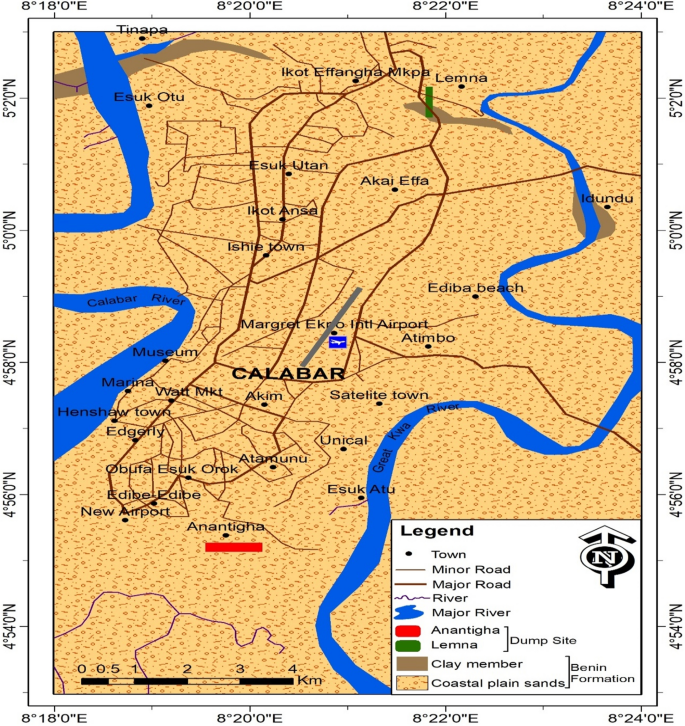
Appendix 6: Map Of Calabar