Abstract
The design of a workstation plays a major role in how much physical strain a person experiences and how comfortable they feel while carrying out tasks. Table height plays a major role. If it sits too low or too high, unnatural postures often follow particularly in the neck, back, and arms which could lead over time to strain or physical harm. The purpose of this study was to explore how three variations involving short, average, and tall surfaces affect stress placed on the body. Attention went mainly to shifts in upper-body motion while doing tasks. Each setup prompted close review of movement patterns across regions: head, torso, arm joints, lower arms, and hands to see how stance adjusts when surface level changes. From time to time, researchers looked at how posture changed with different desk heights. Instead of focusing only on one setup, they compared three levels carefully. Movement at major joints became the main point of interest - especially forward bends, backward tilts, sideways lifts, inward shifts, along with side-to-side leans. Rather than assume safety, they measured actual shifts away from balanced alignment. Each position revealed subtle differences in physical strain. The results showed clear differences between the setups. Lower table heights caused users to lean forward more, increasing flexion in the neck and trunk, which can place additional load on the spine. On the other hand, higher table heights led to raised shoulders and greater arm abduction, increasing muscular effort in the upper limbs. At times, the mid-level table surface brought about a steadier result, supporting smoother limb positioning while lowering physical tension across the body. From such observations arises an emphasis on thoughtful workspace layout, one aimed at easing pressure on muscles and bones when activities extend over hours. When height influences stance, flexibility in furniture becomes essential thus enabling healthier routines through personalized setups.
Keywords
Biomechanical load Ergonomics Workstation design Musculoskeletal stress Non-neutral postures
1. Introduction
Workstation configuration is well reported as a critical factor that is influencing biomechanical exposure during both manual and computer-based activities. Among the different workstation design variables, the height of the work surface plays a particularly significant role in determining upper body posture, joint alignment, and muscle activation patterns. Many common tasks performed at desks or tables such as writing, computer interaction, drafting, laboratory work and design related activities require coordinated movements of the shoulder, elbow, wrist, neck and trunk. When the height of the table or desk changes, the alignment of these joints also changes, which can alter muscular demands and mechanical loading within the musculoskeletal system (Park and Buchholz, 2013; Gonçalves et al., 2019; Hassaïne et al., 2015). As a result, inappropriate work surface heights may lead to changes in posture and increased biomechanical stress during task performance (Hamaoui et al., 2016; Dumas et al., 2008).
Ergonomic guidelines generally recommend that seated work surfaces should be positioned around elbow level or slightly below it in order to support a neutral posture of the upper limbs and reduce unnecessary muscular effort. In practice, however, this recommendation is not always achieved. Many workplaces use fixed furniture, individuals differ in body dimensions and some tasks require specific working positions. When the height of the work surface does not match the user’s anthropometry, people often adjust their posture by changing the position of the shoulders, neck, trunk, and arms so that they can complete the task. These compensatory adjustments may increase biomechanical load and can contribute to the development of work-related musculoskeletal disorders over time (Seghers et al., 2003; Shin and Zhu, 2011; Straker et al., 2009; Cook et al., 2004). In order to have a robust understanding of the biomechanical influence of these workstation variations, researchers frequently rely on objective measurements of body movement and muscle activity. Quantitative indicators such as joint kinematics and electromyographic muscle activation provide detailed information about how posture and muscular demand change when tasks are performed at different work surface heights (Sommerich et al., 2000; Zhou et al., 2024; Guo et al., 2024; Kia et al., 2023). These measurements allow investigators to evaluate how workstation design influences physical load during tabletop activities and help guide ergonomic improvements in work environments.
2. Work Surface Height and Biomechanical Loading
2.1 Biomechanical Consequences of High Work Surface Heights
Work surfaces positioned above the user’s elbow level tend to increase elevation of the upper limbs and place greater demand on the shoulder region. In such situations, individuals often raise their arms or abduct the shoulders in order to comfortably reach the work area. These adjustments move the upper limbs away from the body and shift their centre of mass, which increases the mechanical demand on the muscles that stabilise the shoulder and leads to sustained activation around the shoulder girdle (Blache et al., 2015; Santago et al., 2017; Bergsma et al., 2014; Chen and Leung, 2007). Consequently, prolonged work at elevated surfaces may increase shoulder loading and contribute to greater biomechanical strain during repetitive or static tasks. Electromyographic studies have shown that higher work surfaces increase activation of the upper trapezius and deltoid muscles, reflecting the additional effort required to maintain arm elevation. Sustained activation of these muscles may result in fatigue, discomfort, and a higher risk of shoulder disorders. In occupational settings, shoulder abduction angles greater than about 20 to 30 degrees have been associated with an increased likelihood of shoulder pain.
Elevated work surfaces can also influence the mechanics of the elbow joint. When the work level is above the user’s natural elbow position, individuals often compensate by increasing elbow flexion or by raising the shoulders in order to reach the task area comfortably. These adjustments change joint alignment and increase the mechanical demands placed on the upper limb. Prolonged combinations of shoulder elevation and elbow flexion may therefore lead to continuous muscle activation, which can gradually contribute to fatigue during repetitive work activities (Chen et al., 2012; Keir and Brown, 2012; Cudlip et al., 2015). In addition to the changes observed at the shoulder and elbow, elevated work surfaces may also affect wrist posture. When tasks are performed with the hands positioned above elbow level, wrist extension angles often increase, particularly during activities such as typing, mouse use, or precise hand manipulation. Extended exposure to non-neutral wrist positions, including excessive extension or deviation, has been linked to a higher risk of repetitive strain conditions affecting the upper limbs (Bodin et al., 2019; Ciccarelli et al., 2011; Shin and Zhu, 2011). The foregoing biomechanical responses suggest that work surfaces positioned too high relative to the user’s body dimensions may increase loading across the shoulders, arms, and wrists. When such postures are maintained for extended periods during repetitive or static tasks, they may increase physical strain and contribute to discomfort or a higher risk of musculoskeletal injury (Merkus et al., 2021; Mehri et al., 2020; Curran et al., 2015).
2.2 Biomechanical Consequences of Low Work Surface Heights
Although high work surfaces affect the upper limbs, surfaces positioned too low tend to increase loading on the trunk and neck (Bendix et al., 1985). When the table height is below elbow level, individuals often lean forward in order to see and interact with objects on the work surface (Le and Marras, 2016). This forward leaning posture increases trunk flexion and may reduce the natural lumbar curvature, which can increase mechanical loading on the lumbar spine (Chaffin, 2005). Biomechanical studies of seated posture have shown that trunk flexion increases compressive forces on the intervertebral discs and shifts loading towards passive spinal structures such as ligaments and joint capsules (Howarth et al., 2009). Maintaining a flexed trunk posture for extended periods may therefore contribute to lower back discomfort and muscular fatigue within the spinal region (Schmalz et al., 2022). Low work surfaces can also influence neck posture. When individuals lean forward towards a low table, the head typically moves forward relative to the trunk, producing what is commonly described as forward head posture (Seghers et al., 2003). This posture increases cervical flexion angles and elevates muscle activity in the neck extensors and upper trapezius (Sommerich et al., 2000). Sustained neck flexion has been associated with a higher likelihood of cervical discomfort and tension related symptoms during prolonged tasks (Guo et al., 2024). In addition to trunk and neck adjustments, low table heights may also influence shoulder mechanics. Individuals may increase shoulder flexion in order to reach forward towards the work area while simultaneously flexing the trunk (West et al., 2018). This combined movement of the shoulder and trunk creates a multi segment biomechanical load affecting both the upper limbs and the axial skeleton (Musso et al., 2024). These observations highlight the importance of selecting a work surface height that limits excessive trunk flexion while also preventing unnecessary shoulder elevation during task performance (Hamaoui et al., 2016).
2.3 Joint Angle Analysis as a Measure of Biomechanical Exposure
Biomechanical evaluation of workstation design often relies on the analysis of joint kinematics to understand how the body moves during task performance (Bachynskyi et al., 2014). Measurements of joint angles provide quantitative information about posture and mechanical alignment while individuals interact with a work surface or perform manual activities (Romero Avila and Disselhorst Klug, 2025). These measurements are commonly obtained using motion capture systems, electrogoniometers, or wearable inertial sensors that track body segment orientation during movement (Zhao et al., 2018). Joint angles are widely used as indicators of biomechanical load because postures that deviate from neutral alignment usually require greater muscular effort to maintain (Sommerich et al., 2000). When joints remain in non-neutral positions for extended periods, mechanical stress on muscles, tendons, and connective tissues may increase. Over time, this can raise the likelihood of discomfort or musculoskeletal strain during repetitive or prolonged tasks (Curran et al., 2015).
Shoulder Joint Angles
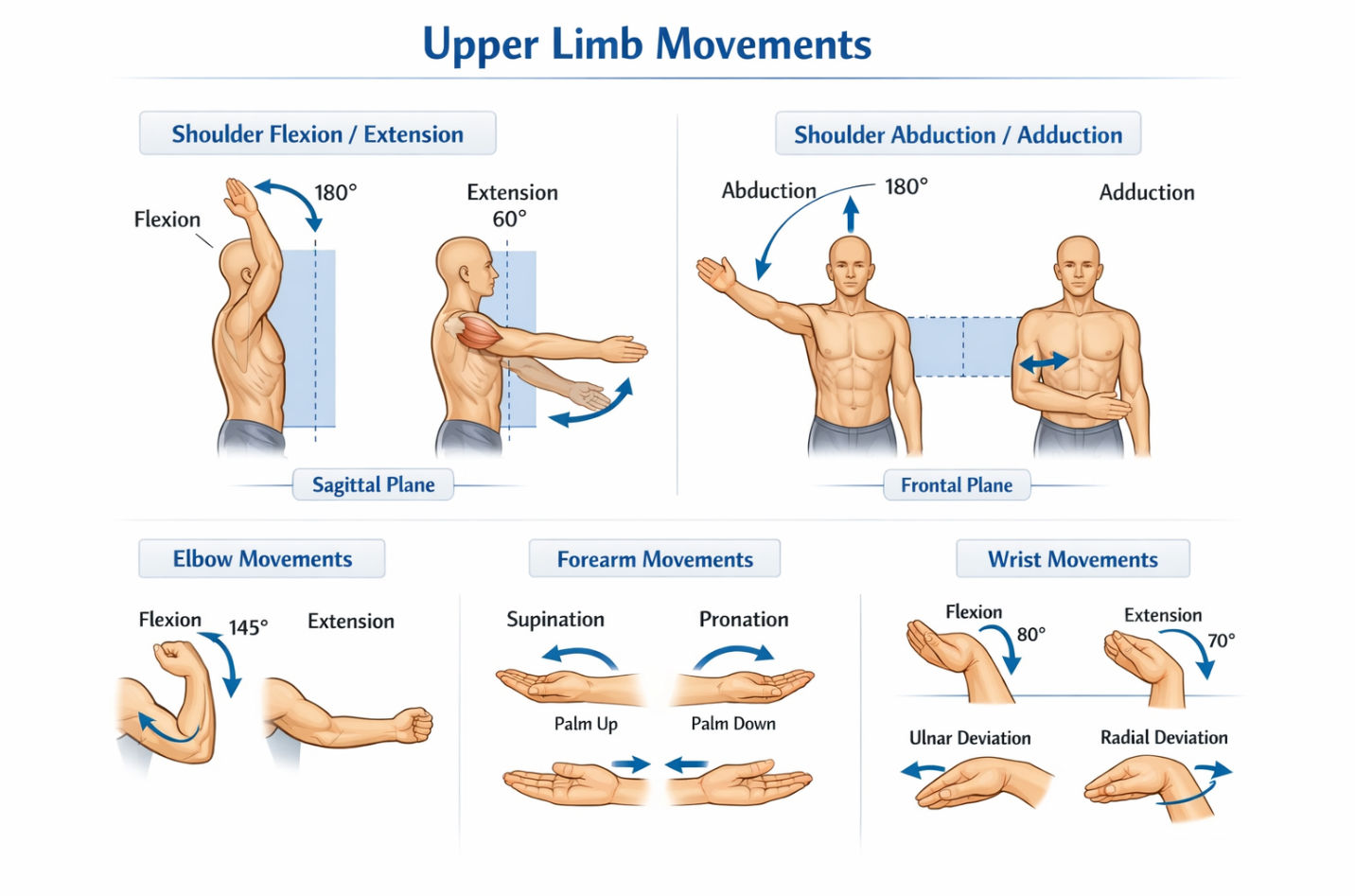
The shoulder joint demonstrates a broad range of motion and plays a critical role in positioning the hands relative to the work surface during manual and computer-based tasks (Bergsma et al., 2014). In ergonomic analyses, several shoulder joint variables are commonly examined to evaluate biomechanical exposure during workstation interaction (Santago et al., 2017). Key shoulder joint variables (Figure 1) analysed in ergonomic studies include: Shoulder flexion / extension and Shoulder abduction / adduction
Shoulder flexion refers to the forward elevation of the arm relative to the trunk, while shoulder abduction describes the lateral movement of the arm away from the body (Zhao et al., 2018). Work surfaces positioned at higher levels tend to increase shoulder abduction angles because the arms must be raised laterally in order to reach the work area (Chen and Leung, 2007). In contrast, lower work surfaces may increase shoulder flexion as individuals extend their arms forward to access the task region (West et al., 2018). Sustained shoulder elevation has been associated with increased activation of the trapezius and other shoulder stabilising muscles during prolonged activities (Chopp Hurley et al., 2018). For this reason, ergonomic guidelines often recommend maintaining shoulder joint angles close to neutral positions in order to reduce muscular fatigue and minimise biomechanical strain during workstation tasks (Merkus et al., 2021).
2.3.2 Elbow Joint Angles
The elbow joint plays an important role in positioning the forearm and hand relative to the work surface during task performance (Chen et al., 2012). In ergonomic analyses, elbow joint behaviour is often examined to understand how arm positioning changes in response to workstation design and task requirements (Keir and Brown, 2012). Proper alignment of the elbow helps maintain efficient force transmission along the upper limb while supporting coordinated movement of the shoulder, forearm, and wrist during manual tasks (Cudlip et al., 2015).
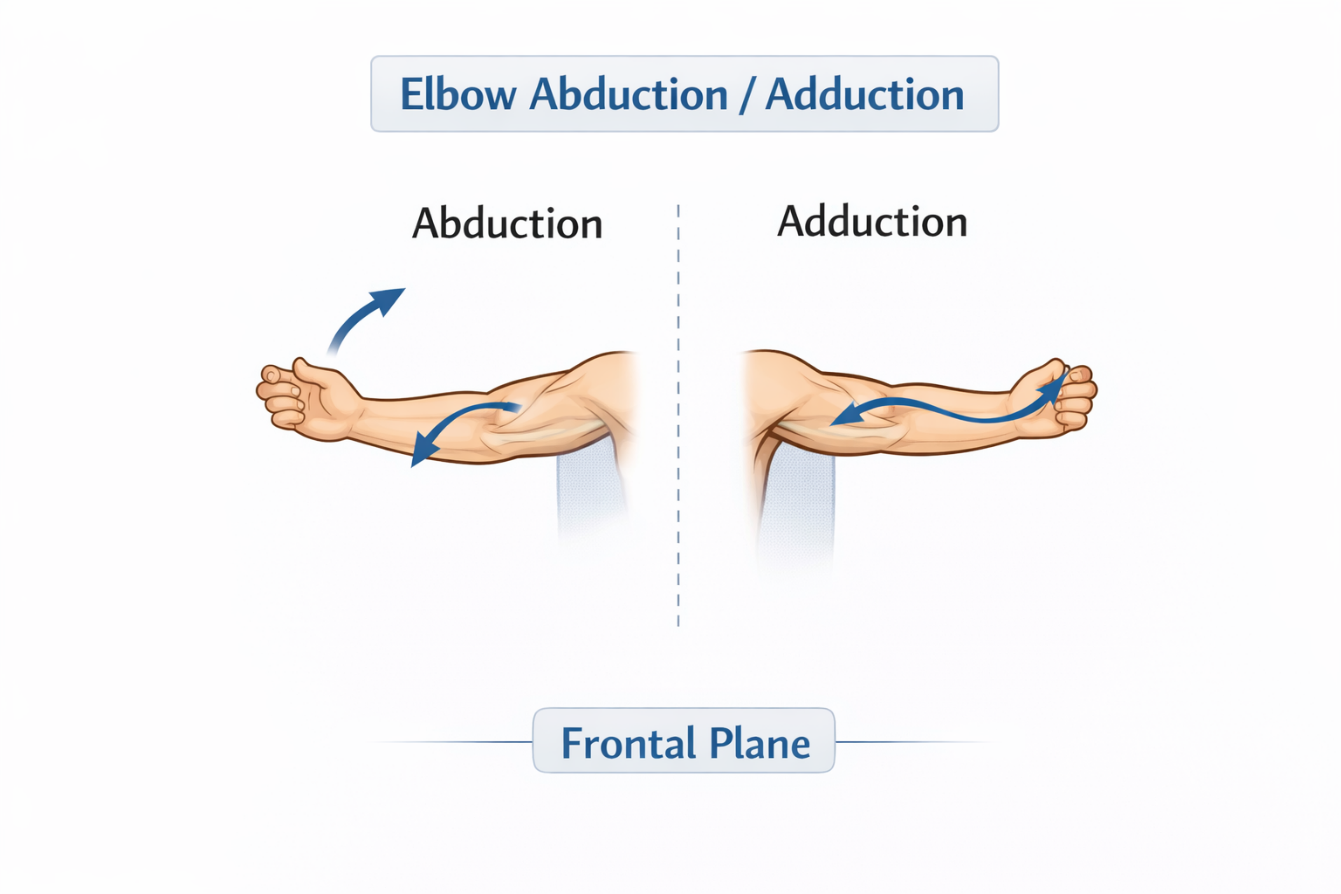
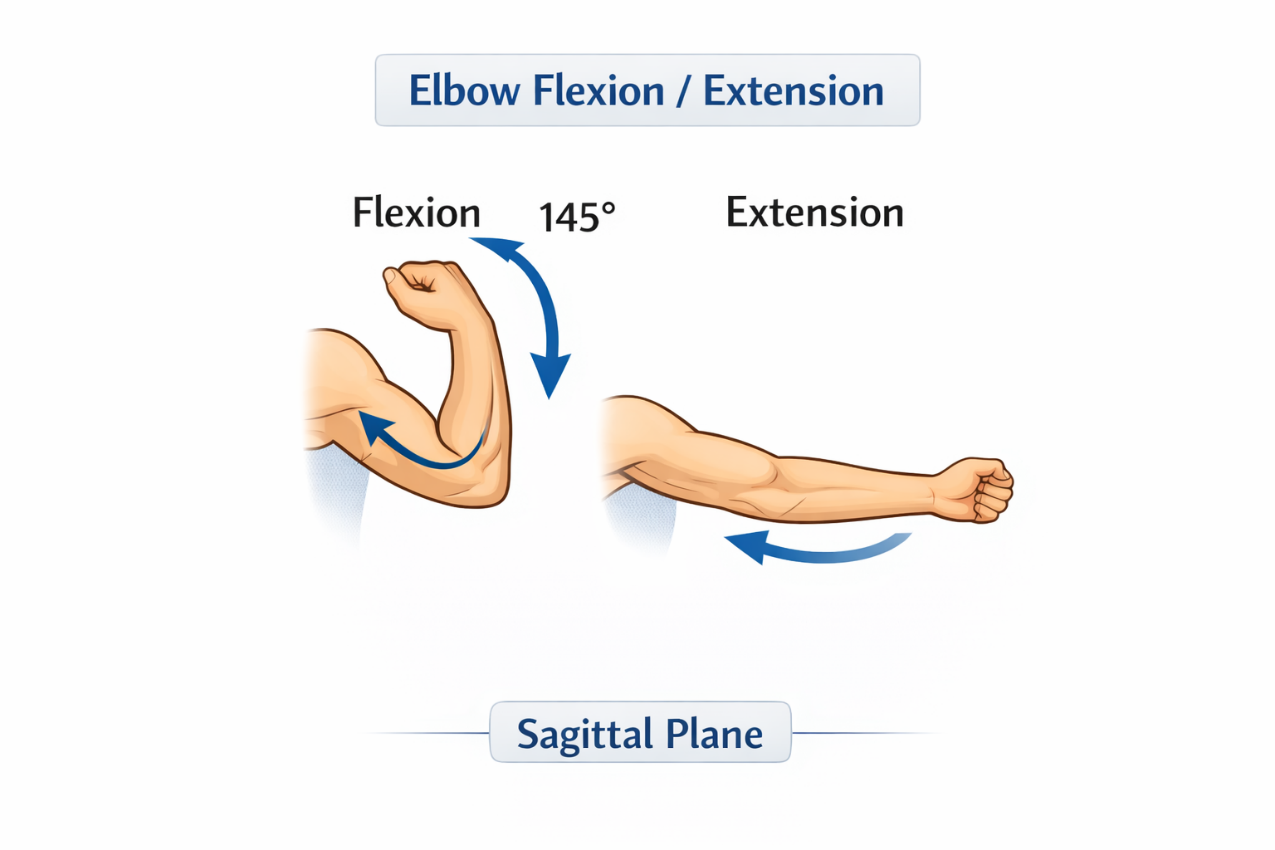
For this reason, ergonomic investigations frequently examine several elbow related variables (Figure 2 and 3) to determine how workstation configuration influences upper limb biomechanics during tabletop activities (Park and Buchholz, 2013). Important elbow variables commonly include: Elbow flexion / extension and Elbow abduction / adduction
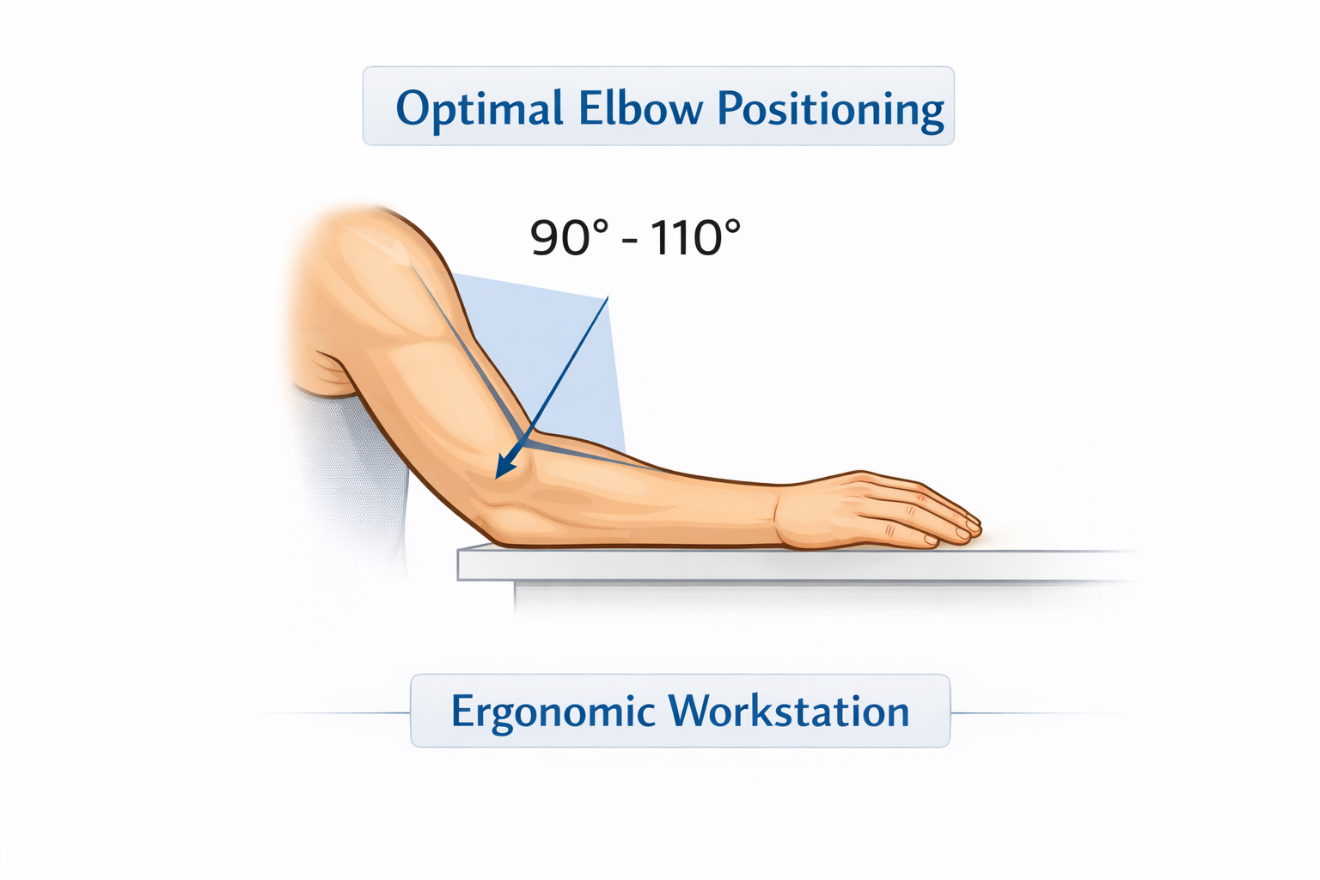
Optimal workstation design typically maintains elbow flexion angles within a range of about 90° to 110° (Figure 4). This range supports a relaxed arm posture and helps reduce unnecessary muscular effort during task performance (Park and Buchholz, 2013). Keeping the elbow within this range allows the forearm to remain comfortably aligned with the work surface while limiting strain on the surrounding muscles (Keir and Brown, 2012). When elbow positions move too far away from this neutral range, individuals often adjust their posture by raising the shoulders or changing wrist orientation in order to perform the task. These compensatory adjustments can increase muscular demand and may also influence wrist posture during manual or computer-based activities (Chen et al., 2012).
Wrist Joint Angles
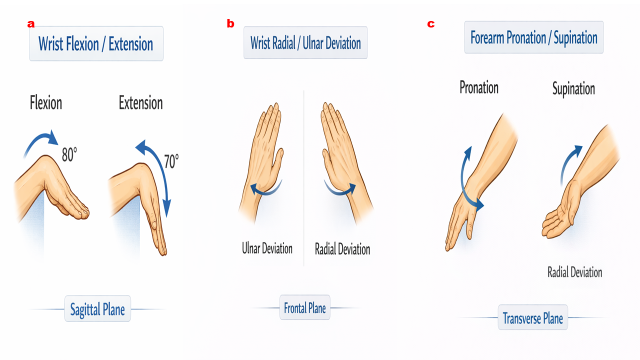
The wrist plays an important role in precision tasks such as typing, writing, and manipulating small objects on a work surface (Bodin et al., 2019). As the final link in the upper limb kinetic chain, wrist posture is strongly influenced by the position of the elbow, shoulder, and the height of the work surface (Chen and Leung, 2007). For this reason, ergonomic research often examines wrist mechanics closely in order to understand how workstation design and task configuration affect hand performance and loading of the upper limb (Shin and Zhu, 2011). In biomechanical analyses, several wrist-related variables (Figure 5) are usually evaluated to determine how posture and movement patterns change during tabletop activities (Chen et al., 2012). Key wrist variables include Wrist flexion / extension, Wrist radial / ulnar deviation and Forearm pronation / supination. Non-neutral wrist postures, particularly excessive extension or lateral deviation, have been strongly associated with repetitive strain injuries affecting the upper extremity (Cook et al., 2004). When the wrist remains outside a neutral alignment for extended periods, mechanical stress on tendons and surrounding soft tissues can increase during repetitive hand movements (Chen et al., 2012). Work surface height and the positioning of input devices such as keyboards or computer mice can substantially influence wrist orientation during task execution (Bodin et al., 2019). Consequently, inappropriate workstation configuration may lead to greater wrist extension angles and increased biomechanical loading during precision activities (Shin and Zhu, 2011).
Neck and Trunk Postural Adjustments
In addition to the upper limb joints, workstation height can also influence the posture of the neck and trunk during task performance (Seghers et al., 2003). These body segments play an important role in maintaining visual alignment with the work area while providing stability for movements of the upper limbs (Le and Marras, 2016). When table height changes, individuals may adjust the position of the head and torso in order to maintain comfortable viewing and reaching positions (Guo et al., 2024). As a result, workstation configuration can influence both spinal alignment and muscular activity in the cervical and trunk regions during seated tasks (Curran et al., 2015).
Neck Kinematics
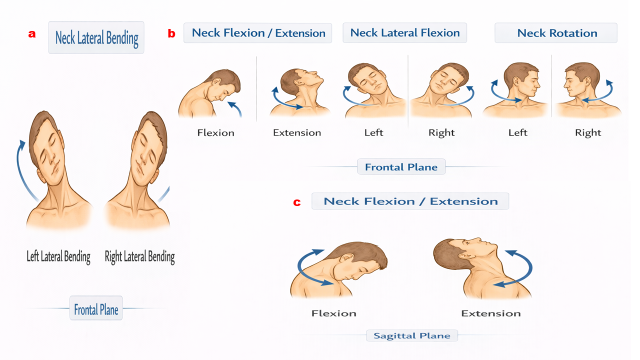
Relevant neck joint angles are often examined in ergonomic research to understand how head posture changes during workstation tasks (Sommerich et al., 2000). These angles help quantify the orientation of the head relative to the trunk and provide insight into loading within the cervical spine during seated activities (Seghers et al., 2003). Changes in workstation height or the location of the visual target may alter these angles as individuals adjust their head position to maintain a clear view of the task (Guo et al., 2024). For this reason, measuring cervical joint angles is an important part of biomechanical assessment, since changes in head posture may influence muscle activation and mechanical stress within the neck region (Curran et al., 2015). Relevant neck joint angles (Figure 6) include: Neck lateral bending, Neck abduction / adduction and Neck flexion / extension
Forward head posture and lateral bending can occur when individuals adjust their head position to visually align with work surfaces that are outside an optimal ergonomic range (Guo et al., 2024). These postural adjustments often develop when people lean toward the task area to improve visibility or reach, which changes the natural alignment between the head and trunk (Seghers et al., 2003). Sustained cervical flexion in these situations can increase mechanical loading on the muscles and ligaments that support the cervical spine (Sommerich et al., 2000). Over time, prolonged exposure to these non-neutral neck postures may contribute to muscular fatigue and discomfort in the cervical region during repetitive or extended tasks (Curran et al., 2015).
Trunk Kinematics
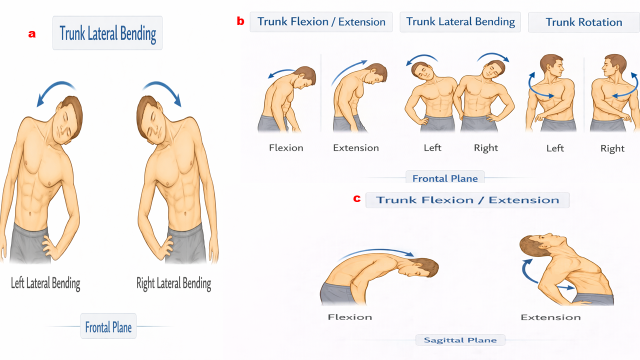
Trunk posture is highly influenced by changes in work surface height, particularly when the surface is positioned below the user’s elbow level (Le and Marras, 2016). In these situations, individuals often lean forward to maintain visual contact with the task and to place their hands comfortably within the work area (Chaffin, 2005). This adjustment changes spinal alignment and may increase mechanical loading on the lumbar region during prolonged seated work (Howarth et al., 2009). For this reason, ergonomic studies frequently examine several trunk related variables to evaluate how workstation configuration affects spinal posture and overall biomechanical exposure (Schmalz et al., 2022). Important trunk variables (Figure 7) include: Trunk lateral bending, Trunk abduction / adduction and Trunk flexion. Forward trunk flexion increases mechanical loading on the spine and may reduce the stability of the lumbar region during seated tasks (Chaffin, 2005). When individuals maintain a flexed trunk posture for long periods, compressive forces on the intervertebral discs and surrounding spinal structures can increase (Howarth et al., 2009). These postural deviations may also shift mechanical load away from active muscular support toward passive spinal tissues, which can raise the likelihood of discomfort or fatigue (Schmalz et al., 2022). For this reason, maintaining a neutral trunk posture is widely considered an important ergonomic goal for reducing spinal strain during prolonged tabletop activities (Le and Marras, 2016).
3. Electromyography and Muscle Activity Measurement
While joint angle measurements provide information about posture, assessments of muscle activity reveal the physiological effort required to maintain those postures during task performance (Sommerich et al., 2000). Surface electromyography is widely used in ergonomic research to measure muscle activation, while individuals perform tasks at a workstation (Cook et al., 2004). EMG sensors placed on muscles such as the upper trapezius, deltoid, erector spinae and forearm flexors allow researchers to estimate muscular workload and assess the demands placed on different body regions during manual or computer-based activities (Straker et al., 2009). Higher EMG amplitude generally indicates greater muscle activation and therefore reflects increased biomechanical demand during task execution (Lum et al., 2004). Studies investigating workstation configuration have consistently shown that poorly adjusted work environments can increase muscle activity in the neck and shoulder regions (Bodin et al., 2019). For example, elevated work surfaces may increase activation of the upper trapezius because the shoulders remain raised during task performance (Blache et al., 2015). In contrast, work surfaces positioned too low may increase erector spinae activity as individuals lean forward to reach the task area (Howarth et al., 2009). By combining electromyography data with joint kinematic measurements, researchers can examine both body posture and muscular effort at the same time, providing a more complete evaluation of biomechanical exposure during workstation tasks (Bachynskyi et al., 2015).
3.1 Integration of Joint Angles and Muscle Activity Metrics
Comprehensive ergonomic evaluation often combines both kinematic and electromyographic measurements to obtain a clearer understanding of biomechanical exposure during workstation tasks (Bachynskyi et al., 2014). Joint angle measurements describe body posture and the alignment of different body segments, while electromyography provides information about the level of muscle activation required to maintain those postures (Sommerich et al., 2000). Using both approaches allows researchers to examine how posture and muscular effort interact during task performance (Figueredo et al., 2021). When analysing tabletop tasks performed at different work surface heights, researchers typically assess several biomechanical indicators that capture both movement patterns and muscular workload across the upper limbs and trunk (Park and Buchholz, 2013). These combined measures help identify how workstation configuration influences physical demand and overall ergonomic risk during task performance (Hassaïne et al., 2015). The following biomechanical metrics are commonly evaluated:
3.1.1 Upper Extremity Kinematics
Upper extremity kinematics refers to the movement and alignment of the shoulder and elbow joints during task performance. In ergonomic studies of workstation design, these joint angles are often examined to understand how the upper limb adjusts to different work surface heights and task demands. Changes in joint position can influence muscular effort, mechanical loading and overall movement efficiency during tabletop activities (Zhao et al., 2018). The shoulder joint plays a major role in positioning the arm relative to the work surface. Shoulder flexion occurs when the arm moves forward in relation to the trunk, while extension refers to movement of the arm backward. In workstation settings, shoulder flexion often increases when individuals reach forward toward low work surfaces or distant task areas (West et al., 2018). Shoulder abduction describes the lateral elevation of the arm away from the body and is commonly observed when work surfaces are above elbow level, requiring the arms to be raised outward to reach the task area (Blache et al., 2015). Sustained shoulder elevation has been associated with increased trapezius muscle activation and a greater likelihood of shoulder fatigue during prolonged work activities (Chopp Hurley et al., 2018).
The elbow joint helps control the precise positioning of the forearm and hand during manual and computer-based tasks. Elbow flexion involves bending the forearm toward the upper arm, whereas extension straightens the elbow joint. Ergonomic recommendations generally suggest maintaining elbow flexion angles close to ninety degrees in order to support a relaxed arm posture and reduce muscular strain during seated work (Park and Buchholz, 2013). When workstation height differs from this optimal range, individuals may increase elbow flexion or extension to compensate for changes in vertical reach distance (Keir and Brown, 2012). Although elbow abduction and adduction movements are less pronounced than those of the shoulder, they may occur during lateral reaching or asymmetric task positions and can influence forearm orientation during manual activities (Chen et al., 2012). Conclusively, analysing shoulder and elbow kinematics (Table 1) provides valuable insight into how workstation configuration affects upper limb posture. By examining these joint angles, researchers can identify the biomechanical adjustments that occur when tasks are performed at different work surface heights and assess potential ergonomic risks associated with sustained or repetitive movements.
| Joint | Movement | Description | Typical Functional Application | Reference |
| Shoulder | Flexion | Forward movement of the arm in the sagittal plane | Reaching forward, operating keyboards or touch interfaces | Zhao et al., 2018 |
| Shoulder | Extension | Backward movement of the arm behind the body | Pulling or backward arm positioning | Zhao et al., 2018 |
| Shoulder | Abduction | Movement of the arm away from the body midline | Lifting the arm sideways, overhead tasks | Blache et al., 2015 |
| Shoulder | Adduction | Movement of the arm toward the body midline | Lowering the arm or stabilizing loads | Zhou et al., 2024 |
| Elbow | Flexion | Decrease in angle between forearm and upper arm | Bringing objects closer to the body | Romero Avila & Disselhorst-Klug, 2025 |
| Elbow | Extension | Increase in angle between forearm and upper arm | Pushing, reaching away from the body | Romero Avila & Disselhorst-Klug, 2025 |
| Elbow | Abduction | Slight outward movement of the forearm from the arm axis | Adjustment during manipulation tasks | Bachynskyi et al., 2014 |
| Elbow | Adduction | Movement of the forearm toward the arm axis | Stabilizing arm posture during tasks | Bachynskyi et al., 2014 |
3.1.2 Wrist and Forearm Kinematics
Wrist and forearm kinematics describe the movement of the wrist joint and the rotational motions of the forearm during activities such as typing, laboratory work, surgical procedures, and object manipulation. These movements are important for fine motor control, positioning of the hand, and transmission of force between the forearm and the hand. In ergonomic and biomechanical research, wrist and forearm kinematics are often analysed to evaluate musculoskeletal loading, movement efficiency, and the risk of repetitive strain injuries (Zhao et al., 2018; Chen et al., 2012). The wrist joint allows movement in several planes. Wrist flexion and extension occur in the sagittal plane, allowing the hand to move downward toward the palm (flexion) or upward toward the back of the hand (extension). These movements are common during computer work, tool use, and other manual tasks. Excessive wrist flexion or extension during repetitive activities may increase strain on tendons and has been associated with conditions such as carpal tunnel syndrome (Chen et al., 2012). Another important wrist movement is radial and ulnar deviation, which occurs in the frontal plane. Radial deviation refers to movement of the wrist toward the thumb side, while ulnar deviation refers to movement toward the little finger side. These movements are frequently observed during mouse use, touchscreen interaction and object handling tasks. Literature has shown that the design of input devices and the conditions under which tasks are performed can influence wrist deviation angles and patterns of muscle activation (Huang et al., 2021; Chen et al., 2007).
The forearm also enables rotational movements known as pronation and supination, which occur through the interaction of the radius and ulna bones. Pronation rotates the forearm so that the palm faces downward, whereas supination rotates it so that the palm faces upward. These movements are essential in every daily and occupational tasks, including turning tools, operating equipment, and manipulating objects. Proper coordination between forearm rotation and wrist movement helps maintain ergonomic posture and reduces muscular fatigue during repetitive work (Zhao et al., 2018). Understanding wrist and forearm kinematics (Table 2) is therefore important in ergonomic assessment, rehabilitation engineering and the design of human computer interfaces. Improper wrist posture and repeated rotational movements can increase the likelihood of upper limb musculoskeletal disorders.
| Joint | Movement | Description | Typical Functional Application | Reference |
| Wrist | Flexion | Bending the wrist so the palm moves toward the forearm | Typing, gripping objects | Chen et al., 2012 |
| Wrist | Extension | Bending the wrist backward toward the dorsal side of the hand | Mouse use, tool manipulation | Chen et al., 2012 |
| Wrist | Radial Deviation | Movement of the wrist toward the thumb side | Touchscreen gestures, mouse control | Huang et al., 2021 |
| Wrist | Ulnar Deviation | Movement of the wrist toward the little finger side | Gripping or lateral hand movements | Chen et al., 2007 |
| Forearm | Pronation | Rotation of the forearm so the palm faces downward | Typing, writing, computer tasks | Zhao et al., 2018 |
| Forearm | Supination | Rotation of the forearm so the palm faces upward | Holding objects, turning tools | Zhao et al., 2018 |
3.1.3 Axial Posture
Axial posture can be described as the alignment and movement of the central body segments, particularly the neck and trunk, during work or functional activities. In ergonomics and biomechanics, analysing axial posture helps researchers understand how workstation configuration, task demands, and body positioning influence musculoskeletal loading on the spine and surrounding muscles (Zhao et al., 2018; Guo et al., 2024). The neck, or cervical spine, plays an important role in maintaining head orientation and visual alignment during tasks such as computer work, laboratory procedures, and surgical activities. Neck lateral bending occurs when the head tilts toward either shoulder in the frontal plane. Excessive or prolonged lateral bending can increase muscle activity in the neck and shoulder region and may lead to fatigue or discomfort (Guo et al., 2024). Neck abduction and adduction refer to movements of the head away from or toward the body’s midline relative to the trunk. Although these movements are often small, they may occur during asymmetric tasks or when individuals adjust their head position to view screens or work surfaces. The trunk, which includes the thoracic and lumbar regions of the spine, plays a key role in maintaining overall body stability and posture. Trunk lateral bending occurs when the upper body tilts sideways away from a neutral vertical position. This movement is often seen when individuals reach across a work surface or adjust their posture during prolonged seated activities (Hassaïne et al., 2015). Similarly, trunk abduction and adduction describe movement of the torso away from or toward the central axis of the body. These movements may occur when individuals reposition their bodies to adapt to different workstation heights or task locations. Prolonged or excessive deviation of the trunk from a neutral posture can increase spinal loading and muscular demand (Hamaoui et al., 2016). Together, these axial posture variables (Table 3) allow researchers to quantify the biomechanical effects of different workstation heights and identify postures that may increase musculoskeletal risk. Monitoring neck and trunk alignment therefore helps ergonomists design workstations that support more neutral postures, reduce muscular strain, and improve occupational health outcomes.
| Body Segment | Movement | Description | Typical Functional Situation | Reference |
| Neck | Lateral Bending | Sideways tilting of the head toward the shoulder | Viewing screens or objects positioned to the side | Guo et al., 2024 |
| Neck | Abduction | Movement of the head away from the body midline | Adjusting head position during visual tasks | Zhao et al., 2018 |
| Neck | Adduction | Movement of the head toward the body midline | Returning the head to neutral posture | Zhao et al., 2018 |
| Trunk | Lateral Bending | Sideways tilting of the torso from the vertical axis | Reaching across a workstation | Hassaïne et al., 2015 |
| Trunk | Abduction | Movement of the torso away from the body midline | Adjusting posture during asymmetric tasks | Hamaoui et al., 2016 |
| Trunk | Adduction | Movement of the torso toward the body midline | Restoring neutral body posture | Hamaoui et al., 2016 |
4. Relationship Between Biomechanical Load and Table Height
Workstation design, particularly table height, plays an important role in determining the biomechanical load experienced by users during task performance. Previous research has shown that unsuitable table heights can lead to non-neutral joint postures, increased muscle activity, and a higher risk of musculoskeletal discomfort. When a work surface is either too low or too high relative to the user’s body dimensions, individuals often adopt compensatory movements in the neck, trunk, and upper limbs, which can increase biomechanical strain. Low table heights often require users to lean forward or flex the trunk and neck in order to maintain visual and manual interaction with the work surface. This posture increases spinal loading and may result in prolonged trunk flexion and neck bending, which have been associated with fatigue and musculoskeletal disorders (Hamaoui et al., 2016; McGill, 2016). In addition, lower work surfaces may require greater shoulder flexion and adjustments at the elbow, which can further contribute to upper limb strain. In contrast, high table heights tend to increase shoulder elevation and arm abduction, leading to greater muscle activity in the shoulder and neck regions. Sustained elevation of the arms above a neutral position has been shown to increase biomechanical load and muscular fatigue, particularly in the trapezius and deltoid muscles (Blache et al., 2015; Zhao et al., 2018). These conditions can negatively affect user comfort and may also reduce task efficiency.
Medium or ergonomically appropriate table heights are generally recommended because they allow users to maintain more neutral joint angles at the shoulder, elbow, and wrist. Studies on ergonomic workstation design suggest that positioning the work surface approximately at elbow height during seated tasks can reduce upper limb loading and support a more stable trunk posture (Pheasant and Haslegrave, 2006; Kroemer and Grandjean, 1997). Understanding how biomechanical load changes under different table height conditions such as low, medium, and high (Table 4) is therefore essential for improving workstation design. Examining these variations can help identify configurations that reduce musculoskeletal strain while improving user comfort and task performance.
| Table Height | Typical Postural Adjustment | Affected Body Segments | Biomechanical Load Characteristics | Typical Functional Implication | Reference |
| Low Table Height | Increased trunk and neck flexion; forward leaning posture | Neck, trunk, shoulders | Increased spinal loading and neck bending; higher static muscle activity | Visual focus on work surface; writing or precision tasks performed below elbow level | Hamaoui et al., 2016; McGill, 2016 |
| Medium Table Height | Neutral posture with minimal trunk inclination | Shoulder, elbow, wrist | Reduced biomechanical load; balanced muscle activation | Optimal for typing, computer work, and general workstation tasks | Pheasant & Haslegrave, 2006; Kroemer & Grandjean, 1997 |
| High Table Height | Elevated shoulders and arm abduction; raised elbow position | Shoulder, neck, upper arm | Increased shoulder muscle activity and upper limb fatigue | Tasks requiring elevated arm positioning or standing manipulation | Blache et al., 2015; Zhao et al., 2018 |
4.1 Workstation Height and Musculoskeletal Health
The literature consistently shows that workstation height has a critical influence on posture and musculoskeletal health. When work surfaces are positioned too high, individuals often compensate by raising the shoulders and increasing muscle activity in the upper limbs, particularly in the trapezius and deltoid muscles. This increased muscular effort can lead to fatigue and discomfort in the neck and shoulder region during prolonged tasks (Blache et al., 2015; Park and Buchholz, 2013). In contrast, when work surfaces are positioned too low, users tend to lean forward by flexing the trunk and neck in order to reach the work area. This posture increases mechanical loading on the spine and may contribute to cervical strain, lower back stress, and poor spinal alignment (Hassaïne et al., 2015; Guo et al., 2024). Sustained non neutral postures have been associated with a greater risk of work related musculoskeletal disorders, particularly in occupations that involve prolonged sitting or repetitive upper limb activity. For this reason, ergonomic design generally aims to maintain neutral joint angles and reduce prolonged muscle activation across the upper limbs and trunk. A neutral posture reduces biomechanical stress on joints and muscles, allowing tasks to be performed more efficiently and with a lower risk of injury (Zhao et al., 2018). To support this goal, ergonomic guidelines commonly recommend adjustable workstations. Adjustable tables allow the work surface to be adapted to the user’s body dimensions and the requirements of the task. By positioning the work surface approximately at elbow height during seated work, users can reduce shoulder elevation, limit trunk flexion, and maintain a more neutral posture (Park and Buchholz, 2013). In dynamic work environments, height adjustable desks also allow individuals to alternate between sitting and standing positions. This flexibility can reduce prolonged static loading on the musculoskeletal system, improve circulation and help reduce fatigue associated with extended periods of sedentary work. Therefore, workstation adjustability is considered an important element in designing ergonomic environments that support long term musculoskeletal health and occupational comfort (Hamaoui et al., 2016; Guo et al., 2024).
4.2 Research Gaps and Future Directions
Although researchers on workstation ergonomics have done laudable works, there are still specific gaps that can be explored for enhanced workstation ergonomics. Many studies have focused mainly on office computer work, while fewer investigations have examined design studio tasks, laboratory activities, or manual tabletop work that involve different arm movements and visual demands. In addition, much of the existing literature relies on either joint angle analysis or muscle activity measurements separately. Combining both kinematic and electromyographic data can provide a more robust understanding of biomechanical load, yet this integrated approach is still relatively limited in ergonomic research. Future studies should therefore combine motion capture techniques with electromyographic analysis in order to evaluate the biomechanical influence of low, medium and high table heights under a variety of task conditions. Such investigations would provide stronger evidence to support ergonomic guidelines and contribute immensely to improved workstation design.
5. Conclusion
This literature review examined important concepts and previous research related to human biomechanics, ergonomic workstation design and kinematic analysis of the upper body including the neck, trunk, shoulder, elbow, wrist and forearm. The reviewed studies highlight the importance of understanding joint movement and body posture when assessing musculoskeletal load during occupational and task related activities. Researchers have consistently shown that poor workstation design and prolonged non-neutral postures can contribute to musculoskeletal discomfort, reduced task efficiency and an increased risk of work-related musculoskeletal disorders. Research on upper extremity kinematics shows that movements such as shoulder flexion and extension, elbow flexion and extension, wrist flexion and extension and forearm pronation and supination play important roles in everyday functional tasks such as typing, object manipulation and tool use. In the same way, movements of the neck and trunk, including lateral bending, flexion and other postural adjustments, are important for maintaining visual alignment and body stability during workstation interaction. When these movements occur outside recommended ergonomic limits or are maintained for long periods, biomechanical stress on muscles, tendons, and joints may increase. Previous research has also emphasised the importance of combining biomechanical measurements, such as joint kinematics and electromyographic signals, with ergonomic workstation design. Anthropometric considerations and adjustable work surfaces are widely recommended to accommodate individual differences and help maintain neutral joint postures during task performance. In particular, workstation height has been identified as a key factor influencing posture, muscle activation and biomechanical loading of the upper body.
Several studies have examined how table or workstation height influences users’ biomechanical load. Work surfaces that are too low often require greater trunk flexion and neck bending, while surfaces that are too high may increase shoulder elevation and upper limb muscle activity. These postural adjustments can significantly influence joint angles and muscular effort during task performance. For this reason, examining the relationship between biomechanical load and different table heights such as low, medium and high configurations is essential for identifying workstation designs that minimise musculoskeletal strain.
Overall, the reviewed literature provides a clear overview of the biomechanical principles that influence human movement during workstation tasks. However, relatively few studies have systematically compared the influence of different table heights on combined upper body kinematics. There is need to enrich literature in this field by examining the relationship between users’ biomechanical load and varying table heights (low, medium and high) during task performance.
References
- Andersson, G. B. J., & Winters, J. M. (1990). Role of muscle in postural tasks: Spinal loading and postural stability. In J. M. Winters & S. L-Y. Woo (Eds.), Multiple muscle systems: Biomechanics and movement organization (pp. 345–374). Springer. DOI ↗ Google Scholar ↗
- Bachynskyi, M., Oulasvirta, A., Palmas, G., & Weinkauf, T. (2014). Is motion capture-based biomechanical simulation valid for HCI studies? Study and implications. In Proceedings of the SIGCHI Conference on Human Factors in Computing Systems (CHI ’14) (pp. 3215–3224). Association for Computing Machinery. DOI ↗ Google Scholar ↗
- Bachynskyi, M., Palmas, G., Oulasvirta, A., & Weinkauf, T. (2015). Performance and ergonomics of touch surfaces: A comparative study using biomechanical simulation. Proceedings of the 33rd Annual ACM Conference on Human Factors in Computing Systems (CHI 2015), 1817–1826. DOI ↗ Google Scholar ↗
- Bendix, T., & Hagberg, M. (1984). Trunk posture and load on the trapezius muscle whilst sitting at sloping desks. Ergonomics, 27(8), 873–882. DOI ↗ Google Scholar ↗
- Bendix, T., Krohn, L., Jessen, F., & Aarås, A. (1985). Trunk posture and trapezius muscle load while working in standing, supported-standing, and sitting positions. Spine, 10(8), 738–741. DOI ↗ Google Scholar ↗
- Berquer, R., Smith, W. D., & Davis, S. (2002). An ergonomic study of the optimum operating table height for laparoscopic surgery. Surgical Endoscopy, 16(3), 416–421. DOI ↗ Google Scholar ↗
- Bergsma, A., Murgia, A., Cup, E. H. C., Verstegen, P. P., Hendricks, H. T., & van der Kooij, H. (2014). Upper extremity kinematics and muscle activation patterns in subjects with facioscapulohumeral dystrophy. Archives of Physical Medicine and Rehabilitation, 95(9), 1731–1741. DOI ↗ Google Scholar ↗
- Blache, Y., Desmoulins, L., Allard, P., Plamondon, A., & Begon, M. (2015). Effects of height and load weight on shoulder muscle work during overhead lifting tasks. Ergonomics, 58(5), 748–761. DOI ↗ Google Scholar ↗
- Bodin, T., Berglund, K., & Forsman, M. (2019). Activity in neck-shoulder and lower arm muscles during computer and smartphone work. International Journal of Industrial Ergonomics, 74, 102870. DOI ↗ Google Scholar ↗
- Buchholz, B., & Park, J. K. (2013). Effects of work surface height on muscle activity and posture of the upper extremity during simulated pipetting. National Institute for Occupational Safety and Health (NIOSH). DOI ↗ Google Scholar ↗
- Chaffin, D. B. (2005). Primary prevention of low back pain through the application of biomechanics in manual materials handling tasks. Giornale Italiano di Medicina del Lavoro ed Ergonomia, 27(1), 40–49. DOI ↗ Google Scholar ↗
- Chen, H. M., & Leung, C. T. (2007). The effect on forearm and shoulder muscle activity in using different slanted computer mice. Clinical Biomechanics, 22(5), 518–523. DOI ↗ Google Scholar ↗
- Chen, H. M., Lee, C. S., & Cheng, C. H. (2012). The weight of computer mouse affects the wrist motion and forearm muscle activity during fast operation speed task. European Journal of Applied Physiology, 112(7), 2545–2554. DOI ↗ Google Scholar ↗
- Chopp-Hurley, J. N., Prophet, C., Thistle, B., Pollice, J., & Maly, M. R. (2018). Scapular muscle activity during static yoga postures. Journal of Orthopaedic & Sports Physical Therapy, 48(6), 504–509. DOI ↗ Google Scholar ↗
- Ciccarelli, M., Straker, L., Mathiassen, S. E., & Pollock, C. (2011). ITKids Part II: Variation of postures and muscle activity in children using different information and communication technologies. Work, 39(3), 243–251. DOI ↗ Google Scholar ↗
- Cook, C., Burgess-Limerick, R., & Papalia, S. (2004). The effect of upper extremity support on upper extremity posture and muscle activity during keyboard use. Applied Ergonomics, 35(3), 285–292. DOI ↗ Google Scholar ↗
- Cudlip, A. C. (2014). Quantification of upper extremity physical exposures of materials handling tasks in seated and standing configurations (Master’s thesis, University of Waterloo). University of Waterloo Repository. DOI ↗ Google Scholar ↗
- Cudlip, A. C., Callaghan, J. P., & Dickerson, C. R. (2015). Effects of sitting and standing on upper extremity physical exposures in materials handling tasks. Ergonomics, 58(11), 1865–1873. DOI ↗ Google Scholar ↗
- Curran, M., O’Sullivan, L., O’Sullivan, P., & Dankaerts, W. (2015). Does using a chair backrest or reducing seated hip flexion influence trunk muscle activity and discomfort? A systematic review. Human Factors, 57(3), 508–517. DOI ↗ Google Scholar ↗
- Dumas, G. A., Upjohn, T. R., Delisle, A., Charpentier, K., & Plamondon, A. (2009). Posture and muscle activity of pregnant women during computer work and effect of an ergonomic desk board attachment. International Journal of Industrial Ergonomics, 39(2), 305–312. DOI ↗ Google Scholar ↗
- Dumas, G. A., Upjohn, T. R., Leger, A., Delisle, A., & Plamondon, A. (2008). Effect of a desk attachment board on posture and muscle activity in women during computer work. Ergonomics, 51(12), 1904–1919. DOI ↗ Google Scholar ↗
- Figueredo, L. F. C., Aguiar, R. C., Chen, L., Chakrabarty, S., Dogar, M. R., & Cohn, A. G. (2021). Human comfortability: Integrating ergonomics and muscular-informed metrics for manipulability analysis during human-robot collaboration. IEEE Robotics and Automation Letters, 6(1), 351–358. DOI ↗ Google Scholar ↗
- Gonçalves, J. S., Moriguchi, C. S., Sato, T. O., & Coury, H. J. C. G. (2019). Effects of work surface and task difficulty on neck–shoulder posture and trapezius activity during a simulated mouse task. International Journal of Industrial Ergonomics, 71, 1–8. DOI ↗ Google Scholar ↗
- Guo, Z., Chen, Z., Pai, J., Fang, B., Liang, W., Su, G., & Liu, Y. (2024). Effects of laptop screen height on neck and shoulder muscle fatigue and spine loading for office workers. Work, 78(3), 1007–1018. DOI ↗ Google Scholar ↗
- Hamaoui, A., Hassaïne, M., Watier, B., & Zanone, P.-G. (2016). Effect of seat and table top slope on the biomechanical stress sustained by the musculoskeletal system. Gait & Posture, 47, 55–60. DOI ↗ Google Scholar ↗
- Hassaïne, M., Hamaoui, A., & Zanone, P.-G. (2015). Effect of table top slope and height on body posture and muscular activity pattern. Annals of Physical and Rehabilitation Medicine, 58(5), 273–279. DOI ↗ Google Scholar ↗
- Huang, J., Qi, M., Mao, L., An, M., Ji, T., & Zhang, D. (2021). User-defined gestures for mid-air interaction: A comparison of upper limb muscle activity, wrist kinematics, and subjective preference. International Journal of Human–Computer Interaction, 37(16), 1521–1535. DOI ↗ Google Scholar ↗
- Huang, J., Zhang, H., Mao, L., Zhang, D., Li, J., & Wang, Y. (2024). The effect of tablet computer configurations and touchscreen gestures on human biomechanics, performance, and subjective assessment. International Journal of Industrial Ergonomics, 97, 103478. DOI ↗ Google Scholar ↗
- Howarth, S. J., Beach, T. A. C., Pearson, A. J., & Callaghan, J. P. (2009). Using sitting as a component of job rotation strategies: Are lifting/lowering kinetics and kinematics altered following prolonged sitting? Applied Ergonomics, 40(4), 650–656. DOI ↗ Google Scholar ↗
- Hakami, H. H., Sgambato, B. G., Banger, M. S., & Cipriani, C. (2026). Upper limb compensatory strategies across tasks with an ultrasound-controlled prosthesis. Scientific Reports, 16, 10234. DOI ↗ Google Scholar ↗
- Kia, K., Hwang, J., & Kim, J. H. (2023). Effects of error rates and target sizes on neck and shoulder biomechanical loads during augmented reality interactions. Applied Ergonomics, 110, 103990. DOI ↗ Google Scholar ↗
- Keir, P. J., & Brown, M. M. (2012). Force, frequency and gripping alter upper extremity muscle activity during a cyclic push task. Ergonomics, 55(7), 813–824. DOI ↗ Google Scholar ↗
- Le, P., & Marras, W. S. (2016). Evaluating the low back biomechanics of three different office workstations: Seated, standing, and perching. Applied Ergonomics, 56, 67–75. DOI ↗ Google Scholar ↗
- Lum, P. S., Burgar, C. G., & Shor, P. C. (2004). Evidence for improved muscle activation patterns after retraining of reaching movements with the MIME robotic system in subjects with post-stroke hemiparesis. IEEE Transactions on Neural Systems and Rehabilitation Engineering, 12(2), 186–194. DOI ↗ Google Scholar ↗
- Merkus, S. L., Mathiassen, S. E., Lunde, L. K., Koch, M., Wærsted, M., Forsman, M., Knardahl, S., & Veiersted, K. B. (2021). Can a metric combining arm elevation and trapezius muscle activity predict neck/shoulder pain? A prospective cohort study in construction and healthcare. International Archives of Occupational and Environmental Health, 94, 647–658. DOI ↗ Google Scholar ↗
- Mehri, A., Letafatkar, A., Hadadnezhad, M., & Dehkhoda, M. R. (2020). Effects of corrective exercises on posture, pain, and muscle activation of patients with chronic neck pain exposed to anterior–posterior perturbation. Journal of Manipulative and Physiological Therapeutics, 43(6), 613–622. DOI ↗ Google Scholar ↗
- Mohammadi, M. M., & Nourani, A. (2025). Testing the effects of footwear on biomechanics of human body: A review. Heliyon, 11(4), e42870. DOI ↗ Google Scholar ↗
- Musso, M., Oliveira, A. S., & Bai, S. (2024). Influence of an upper limb exoskeleton on muscle activity during various construction and manufacturing tasks. Applied Ergonomics, 116, 104206. DOI ↗ Google Scholar ↗
- Park, J. K., & Buchholz, B. (2013). Effects of work surface height on muscle activity and posture of the upper extremity during simulated pipetting. Ergonomics, 56(6), 1037–1048. DOI ↗ Google Scholar ↗
- Ponnala, S., Block, L., Lingg, A. J., Kind, A. J. H., & Werner, N. E. (2021). Conceptualizing caregiving activities for persons with dementia (PwD) through a patient work lens. Applied Ergonomics, 92, 103315. DOI ↗ Google Scholar ↗
- Romero Avila, E., & Disselhorst-Klug, C. (2025). Alterations in muscular control when performing unfamiliar elbow flexion and extension movements. European Journal of Applied Physiology. DOI ↗ Google Scholar ↗
- Schall, M. C., Jr., Fethke, N. B., Chen, H., & Kitzmann, A. S. (2014). A comparison of examination equipment used during common clinical ophthalmologic tasks. IISE Transactions on Occupational Ergonomics and Human Factors, 2(2), 105–117. DOI ↗ Google Scholar ↗
- Schmalz, T., Colienne, A., Bywater, E., Schuler, M., & Bellmann, M. (2022). A passive back-support exoskeleton for manual materials handling: Reduction of low back loading and metabolic effort during repetitive lifting. IISE Transactions on Occupational Ergonomics and Human Factors, 10(3–4), 161–175. DOI ↗ Google Scholar ↗
- Seghers, J., Jochem, A., & Spaepen, A. (2003). Posture, muscle activity and muscle fatigue in prolonged VDT work at different screen height settings. Ergonomics, 46(7), 714–730. DOI ↗ Google Scholar ↗
- Shin, G., & Zhu, X. (2011). User discomfort, work posture and muscle activity while using a touchscreen in a desktop PC setting. Ergonomics, 54(8), 733–744. DOI ↗ Google Scholar ↗
- Sommerich, C. M., Joines, S. M. B., Hermans, V., & Moon, S. D. (2000). Use of surface electromyography to estimate neck muscle activity. Journal of Electromyography and Kinesiology, 10(6), 377–398. DOI ↗ Google Scholar ↗
- Straker, L., Burgess-Limerick, R., Pollock, C., Murray, K., Netto, K., & Coleman, J. (2009). The effect of forearm support on children’s head, neck and upper limb posture and muscle activity during computer use. Journal of Electromyography and Kinesiology, 19(5), e302–e308. DOI ↗ Google Scholar ↗
- Tetteh, E., Sarker, P., Radley, C., Hallbeck, M. S., & Mirka, G. A. (2020). Effect of surgical radiation personal protective equipment on EMG-based measures of back and shoulder muscle fatigue: A laboratory study of novices. Applied Ergonomics, 85, 103070. DOI ↗ Google Scholar ↗
- Tondre, S., Deshmukh, T., & Pokale, R. (2023). Optimisation of sewing workstation parameters to reduce low back compressive load for sewing operator. In Advances in materials, manufacturing, and mechanical engineering. CRC Press / Taylor & Francis. DOI ↗ Google Scholar ↗
- West, N., Snodgrass, S. J., & James, C. (2018). The effect of load on biomechanics of the back and upper limb in a bench-to-shoulder lift during the WorkHab functional capacity evaluation. Work, 60(2), 201–209. DOI ↗ Google Scholar ↗
- Zhao, K. D., Robinson, C. A., & Hilliard, M. J. (2018). Biomechanics of the upper limb. In J. B. Webster & D. P. Murphy (Eds.), Atlas of orthoses and assistive devices (5th ed., pp. 127–133.e2). Elsevier. DOI ↗ Google Scholar ↗
- Zhou, C., Xu, X., Huang, T., & Kaner, J. (2024). Effect of different postures and loads on joint motion and muscle activity in older adults during overhead retrieval. Frontiers in Physiology, 15, 1297648. DOI ↗ Google Scholar ↗