Abstract
This study was conducted to identify and measure the extent of the influence of factors affecting the fashion shopping behavior of Generation Z in Vietnam, based on a combination of the Stimulus-Organism-Response (S-O-R) model and the Theory of Planned Behavior (TPB). Using a desk research methodology combined with sociological surveys, the research team surveyed 209 Gen Z individuals currently living, studying, and working in Vietnam; the collected data was processed using Excel and SmartPLS software. The research results indicate that Gen Z's fashion shopping behavior is simultaneously governed by product-perception factors (brand awareness, understanding of product characteristics), psychological-emotional factors (social value of clothing, shopping emotions), and social-environment factors (influence from family, friends, and social media influencers), with social influence and digital platforms playing a leading role in shaping style choices and purchase decisions of this demographic group. Based on these empirical findings, the study proposes several managerial implications to support domestic fashion enterprises in building digital marketing strategies, personalizing customer experiences, and optimizing communication channels suited to the consumption characteristics of the Gen Z customer segment.
Keywords
behavior fashion gen Z Vietnam influencing factors
1. Introduction
The global fashion industry in general and in Vietnam in particular is always characterized by constant fluctuations and increasingly shortened product life cycles. This rapid change stems from modern consumers' growing demand for self-expression and personal identity. Fashion is no longer limited to the functions of physical coverage or warmth, but has become an effective linguistic medium for individuals to assert their unique personality, lifestyle, and aesthetic values. In the context of digital transformation and the boom of social media platforms, new fashion trends are disseminated and replaced at a rapid pace, posing an urgent requirement for brands to continuously update and adapt to customer tastes.
Generation Z (Gen Z), the demographic cohort born from 1997 to 2012 is gradually becoming the core workforce and the most influential consumer group in the Vietnamese fashion market. Unlike previous generations, Gen Z grew up in the digital era, possesses independent consumer mindsets, highly values originality, and tends to deeply personalize their shopping experiences. However, the fashion shopping behavior of this demographic is complex, volatile, and subject to multidimensional impacts from both internal factors (individual psychology, environmental awareness) and external factors (social media, influencers, KOLs/KOCs, peer pressure). Although there are numerous studies on consumer behavior in general, in-depth research simultaneously integrating information access methods, style shaping processes, and determinants of actual shopping behavior of Gen Z in a specific market like Vietnam remains limited. Therefore, conducting this research is extremely necessary to fill the theoretical research gap while providing practical managerial implications to help domestic fashion enterprises build appropriate marketing and product development strategies.
This paper investigates the factors influencing the fashion shopping behavior of Generation Z based on the analytical framework of the S-O-R and TPB models. The research is conducted within the scope of consumers belonging to Generation Z (born 1997–2012) currently living, studying, and working in Vietnam. To address the research problem, the paper aims at the following specific objectives: (1) Identify and analyze the primary channels for accessing fashion information among Generation Z in Vietnam in the digital era; (2) Clarify the process of shaping and selecting personal fashion styles of Generation Z; (3) Measure and evaluate the extent of the influence of factors on the shopping behavior for fashion products of the research subjects; (4) Propose practical solutions and recommendations for fashion enterprises in Vietnam to approach and optimize business performance regarding the Generation Z customer segment.
2. Theoretical Basis and Literature Review
2.1. Theoretical Basis
Concepts
Fashion concepts: is the style and trend of clothing, accessories, hairstyles, and makeup that people follow at a specific time. It is typically expressed through the selection, combination, and arrangement of garments, accessories, footwear, and other elements to create an attractive, harmonious appearance suitable for various occasions, such as work, parties, special events, or daily activities. Fashion is not only about wearing attractive clothes, but it also reflects each individual's style, personality, and ego. It can change according to time, place, culture, trends, and the wearer's mood. Fashion also has strong interactions with the fashion industry, economy, society, culture, and environment. It can be influenced by designers, fashion stars, runways, technology, environmental sustainability, and other factors (canifa.com, 2023)
Gen Z’s characteristics: From a generational perspective, many Gen Z consumers strongly advocate for sustainability values. Several scientific studies indicate that environmental awareness and sustainable attributes can drive purchase intentions and behaviors (Nguyen, M.T.T.; Nguyen, L.H.; Nguyen, H.V., 2019). In the fashion industry, Gen Z is interested in learning about the origins and composition of fabrics as well as avoiding products tested on animals (Kamenidou, I.C.; Mamalis, S.A.; Pavlidis, S.; Bara, E.-Z.G., 2019).
Behavioral Theory TPB, S-O-R model
Theory of Planned Behaviour (TPB) developed from the original Theory of Reasoned Action (TRA) by incorporating the element of perceived behavioral control along with the two factors of attitude and subjective norm, which influence behavioral intention. Among them, perceived behavioral control refers to an individual's perception of the ease or difficulty of performing a behavior (related to the availability of necessary resources, knowledge, and perception to perform the behavior) (Ajzen, I., 1991).
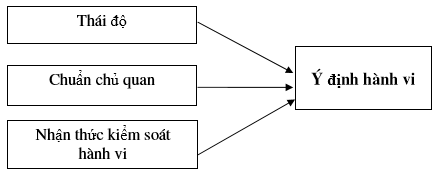
Source: Ajzen (1991)
The Stimulus-Organism-Response (S-O-R) model, developed by Mehrabian and Russell (1974), is one of the fundamental theoretical frameworks in modern consumer behavior research. According to this model, external environmental stimuli (Stimulus) do not directly influence individual behavior; instead, they operate through internal psychological states (Organism), which subsequently lead to specific behavioral responses (Response). In other words, consumer behavior results from a process of information and emotional processing, whereby individuals receive environmental influences, form perceptions and attitudes, and then make behavioral decisions. This approach provides a clearer explanation of the psychological “black box” of consumers, which has often been a limitation of many traditional behavioral models. Thus, in essence, the S-O-R model consists of three components: (1) Stimulus (S): External environmental stimuli (e.g., information, price, advertising, trends, social influence…); (2) Organism (O): The internal state of the individual (cognition, emotions, evaluations, attitudes…); (3) Response (R): Behavioral reactions (purchase intention, buying decision, actual behavior…).
In the field of marketing, the S-O-R model has been extended and widely applied to analyze how factors such as price, product quality, communication, and social influence affect customer perceptions and behaviors. Studies such as Eroglu et al. (2001) and Jacoby (2002) emphasize that stimuli from the consumption environment-particularly in the context of digitalization and social media-can strongly influence consumers’ value perceptions and attitudes before being transformed into purchase intentions and behaviors. This is especially relevant in industries with high symbolic and aesthetic value, such as eyewear, where functional factors and fashion-related elements coexist.
2.2. Literature Review
In consumer behavior theory, socio-environmental factors and cultural foundations always play a foundational role in shaping fashion shopping trends. A study by Etuk et al. (2022) focusing on clothing shopping behavior indicated that social factors—including family, peer groups, reference groups, and culture—have a significantly positive impact on customer decisions. Among these, culture was identified as the variable with the largest impact coefficient, followed in order by family, reference groups, and peer groups (Etuk et al., 2022). Similarly, in developing countries' markets, Lawan and Zanna (2013) asserted that culture not only acts independently but also tends to combine strongly with economic factors (especially income) and personal factors (such as age) to govern clothing selection behavior. When analyzing deeply into cultural structures, compatibility with social norms constitutes the core component creating the pressure or motivation that drives consumers to engage in shopping behavior (Lawan & Zanna, 2013). This multi-layered nature of the fashion retail market was also reaffirmed by Gurnani and Gupta (2023), as distinct cultural nuances intertwine with economic drivers and technological advancements to form a complex system of influence, requiring enterprises to continuously adapt to capture consumer preferences directly in regional markets.
The shift from fast fashion to sustainable fashion is becoming a central topic in recent studies, especially when surveying Generation Z (Gen Z), a cohort of young consumers associated with high environmental awareness. Applying the Stimulus-Organism-Response (SOR) model combined with the Theory of Planned Behavior (TPB), Ngo et al. (2024) demonstrated that factors such as perceived green value, perceived green quality, environmental knowledge, and environmental concern exert an indirect impact on sustainable clothing purchase intentions through the mediating variables of environmental attitude and product attitude. Diverging from some traditional views regarding the attitude-behavior gap, empirical research by Kang and Badal (2025) based on an integrated TPB model and the Value-Attitude-Behavior (VAB) framework indicates that, for Gen Z college students, personal values and positive attitudes toward sustainable fashion genuinely transform directly into actual shopping behavior, although this segment still exhibits a parallel competitive coexistence between the fast fashion and sustainable fashion markets.
However, the greatest barrier to promoting green consumption in emerging markets like Vietnam is the phenomenon of "greenwashing" by brands. Do et al. (2025) clarified that, alongside the positive impacts of attitude, subjective norms, and perceived consumption efficiency, greenwashing awareness acts as a negative moderating variable. When Gen Z consumers feel deceived by opaque sustainability messages, the relationship between psychological drivers and green purchase intentions is significantly diminished (Do et al. (2025). On the other hand, optimizing internal psychological components through perceived value is also a core mechanism to increase purchase intention. According to Septiana et al. (2026), perceived value plays a partial mediating role, helping translate the impacts of social media and self-awareness into sustainable fashion shopping intentions, although self-awareness on its own may not exert a sufficiently strong direct effect on this intention. From a cross-cultural comparative perspective, Zhang et al. (2021), utilizing the ABC (Affect, Behavior, Cognition) attitude model in the UK market, noted that awareness and behavior regarding fast fashion sustainability tend to converge across different cultures and religions, yet emotional responses maintain profound differences, and high awareness does not automatically translate into purchasing behavior in the absence of economic intervention policies such as taxes or subsidies.
The boom of e-commerce and digital platforms has comprehensively reshaped the approach and fashion purchasing decision-making methods of youth. From the perspective of impulsive shopping behavior, Djafarova and Bowes (2021), through an improved SOR model, demonstrated the overwhelming influence of Instagram marketing tools such as advertising, opinion leaders, and user-generated content. These stimuli act as triggers that arouse positive emotions, thereby promoting impulsive shopping behavior, especially among female Gen Z subjects (Djafarova & Bowes, 2021).
Delving into the role of influencers in the Vietnamese market, Le et al. (2023) utilized attraction and signaling theories to demonstrate that influencer characteristics—including trustworthiness, attractiveness, and expertise—have a strong impact on consumer attitudes toward the influencer. Nonetheless, the PLS-SEM analytical model of this study also warned that a positive attitude toward social media influencers does not necessarily lead to actual purchasing behavior; instead, only the factor of "trustworthiness" is capable of directly predicting variations in fashion shopping purchase intentions (Le et al., 2023).
Besides social media factors, interface technology platforms and application experiences also determine the success or failure of online retail strategies. Huynh and Cao (2026), when surveying the online shopping behavior of Gen Z students, identified a system of 5 positively influencing factors including perceived usefulness, credibility level, website design, social influence, and product variety. In this model, social influence plays the role of the most powerful driving force (Huynh & Cao, 2026). When shifting from digital spaces to mobile applications, Hoang et al. (2023), through SPSS and AMOS analysis, pointed out the structure of driving forces including electronic word-of-mouth (e-WOM), perceived usefulness, price, and subjective norms. A distinctive feature in the mobile application environment is that the "perceived risk" factor still persists as a statistically significant resistance force against shopping intention, while the variable of "perceived ease of use" can be eliminated due to the current technological proficiency characteristics of Gen Z (Hoang et al., 2023).
2.3. Research scales
| No. | Code | Observed variable | Model components | Source |
| I | SI | Social influence | S – Stimulus in the S–O–R model (corresponding to Subjective Norms SN in the TPB model) | Etuk et al. (2022); Le et al. (2023); Huynh & Cao (2026) |
| 1 | SI1 | The people around me significantly influence my fashion awareness and style. | ||
| 2 | SI2 | My family influences my perspectives and the way I select and purchase fashion products. | ||
| 3 | SI3 | Social media and influencers (KOLs/KOCs) shape my fashion taste and stimulate my desire to shop. | ||
| 4 | SI4 | I observe that dressing well and defining one's personal style is becoming a highly encouraged trend within my community. | ||
| II | AW | Awareness of fashion products | O – Organism in the S–O–R model (corresponding to Perceived Behavioral Control PBC in the TPB model) | Huynh & Cao (2026); Gurnani & Gupta (2023) |
| 5 | AW1 | I have heard of or am familiar with many fashion brands popular among young people today. | ||
| 6 | AW2 | I frequently see fashion products featured on social media or in the media. | ||
| 7 | AW3 | I can easily recognize or name several popular fashion brands in Vietnam. | ||
| III | CK | Perception of fashion product characteristics | O – Organism in the S–O–R model (corresponding to Perceived Behavioral Control PBC in the TPB model) | Kamenidou et al. (2019); Canifa.com (2023) |
| 8 | CK1 | I clearly understand the differences in style and materials among various fashion brands. | ||
| 9 | CK2 | I can distinguish between different fashion market segments (e.g., fast fashion, designer fashion, mass-market fashion, etc.). | ||
| 10 | CK3 | I can describe the fashion styles or characteristics that suit my personal style. | ||
| IV | PSV | Perception of the social value of clothing | O – Organism in the S–O–R model (corresponding to Attitude toward the behavior ATT in the TPB model) | |
| 11 | PSV1 | I believe that the clothes I wear help me express my personality and social standing. | Etuk et al. (2022); Lawan & Zanna (2013) | |
| 12 | PSV2 | I believe that choosing appropriate attire demonstrates my respect for the community and those around me. | ||
| 13 | PSV3 | I think that the fashion choices of my generation (Gen Z) can drive positive changes in broader consumer trends. | ||
| V | EA | Emotional awareness during shopping | O – Organism in the S–O–R model (corresponding to Attitude toward the behavior ATT in the TPB model) | Mehrabian & Russell (1974); Djafarova & Bowes (2021) |
| 14 | EA1 | I feel confident and proud when wearing beautiful, fashionable outfits. | ||
| 15 | EA2 | Shopping for and wearing new fashion items evokes positive emotions in me (such as happiness, excitement, and stress relief). | ||
| 16 | EA3 | I feel uncomfortable or lack confidence if I wear outfits that are out of style or inappropriate for the occasion. | ||
| VI | SI | Social influence | S – Stimulus in the S–O–R model (corresponding to Subjective Norm SN in the TPB model) | Etuk et al. (2022); Le et al. (2023); Huynh & Cao (2026) |
| 17 | SI1 | The people around me significantly influence my fashion awareness and style. | ||
| 18 | SI2 | My family influences my perspectives and the way I select and purchase fashion products. | ||
| 19 | SI3 | Social media and influencers (KOLs/KOCs) shape my fashion taste and stimulate my desire to shop. | ||
| 20 | SI4 | I observe that dressing well and defining one's personal style is becoming a highly encouraged trend within my community. | ||
| VII | PI | Purchase intention for fashion products | R – Response in the S–O–R model (corresponding to Behavioral Intention PI in the TPB model) | Ajzen (1991); Ngo et al. (2024); Kang & Badal (2025) |
| 21 | PI1 | I plan to shop for fashion products (such as clothing and accessories) in the near future. | ||
| 22 | PI2 | When the need arises, I will prioritize fashion brands that suit both my style and my budget. | ||
| 23 | PI3 | I am willing to recommend or share information about attractive fashion brands and shopping locations with others. | ||
| VIII | PB | Fashion product purchasing behavior | R – Response in the S–O–R model (corresponding to the behavior of performing PB in the TPB model) | Kang & Badal (2025); Do et al. (2025); Hoang et al. (2023) |
| 24 | PB1 | I frequently shop for fashion items (such as clothing and accessories) whenever the need arises or new collections are released. | ||
| 25 | PB2 | I allocate a regular monthly budget for purchasing fashion products. | ||
| 26 | PB3 | I have actually purchased fashion items from brands I love or had previously intended to buy. | ||
| 27 | PB4 | My frequency of shopping for fashion items increases when I see promotional offers or new trends on social media. |
Source: Compiled and proposed by the research team
3. Research Methodology
To study "Factors Influencing Gen Z's Fashion Shopping Behavior in Vietnam," the research team employed a methodology combining desk research (reviewing published documents in the media) and sociological surveys (collecting questionnaires from subjects interested in fashion products). The data will be synthesized and analyzed using Excel software.
Through the desk research method, the research team reviewed literature on fashion products, related articles on factors affecting the product selection intentions of Vietnamese youth published in the media, and examined the characteristics of Vietnamese Gen Z youth. From there, the research team proceeded to build a survey questionnaire template to conduct a sociological survey on the factors influencing Gen Z's fashion shopping behavior.
Regarding the sociological survey method, the research team conducted a preliminary survey and discussions with individuals who are interested in and have previously used fashion products. The discussion utilized a preliminary scale regarding the factors influencing the fashion shopping behavior of Vietnamese Gen Z youth. Participants in the discussion were free to express their opinions on aspects related to fashion products. The preliminary research sample size was 10 people. The preliminary research results were used to finalize the research questionnaire and the research model. After having the finalized survey questionnaire, the research team distributed and collected questionnaires via a Google Form link targeting young Vietnamese Gen Z individuals.
Convenience sampling method: The data collection method was conducted by the research team based on convenience sampling and the snowballing method (a method of finding subsequent subjects based on suggestions or referrals from the previously interviewed subject) to ensure an adequate sample size according to requirements. After conducting the survey, the collected data will be synthesized, calculated, and reflected through charts, tables, and figures using Excel software. For influencing factors evaluated on a 5-point Likert scale, when assessing the extent of influence of the factors, the research team calculates:
Interval value = (Maximum – Minimum)/n = (5-1)/5 = 0.8
The calculated mean values of the factors, if falling within the range:
+ 1.00 – 1.80: Strongly disagree
+ 1.81 – 2.60: Disagree
+ 2.61 – 3.40: Neutral/ No opinion
+ 3.41 – 4.2: Agree
+ 4.21 – 5.00: Strongly agree
4. Research Results
4.1. Descriptive Statistics of Survey Participants
| Demographic criteria | Classification | Number (People) | Percentage (%) |
| Gender | Male | 114 | 54.5% |
| Female | 95 | 45.5% | |
| Age | 15–20 years old | 118 | 56.5% |
| 21–25 years old | 88 | 42.1% | |
| 26–30 years old | 3 | ~1.4% | |
| Occupation | Student | 96 | 45.9% |
| Office worker | 73 | 34.9% | |
| Self-employed / Freelancer | 40 | 19.1% | |
| Monthly income | Under 5 million VND | 43 | 20.6% |
| 5–10 million VND | 121 | 57.9% | |
| 10–15 million VND | 42 | 20.1% | |
| Over 20 million VND | 3 | ~1.4% |
Source: Survey results
The research sample collected responses from survey participants. Regarding the gender structure, males accounted for 54.5% (114 individuals) and females accounted for 45.5% (95 individuals). In terms of age, the majority of surveyed subjects fell into the 15 to 20 age group at 56.5% (118 individuals), followed by the 21 to 25 age group accounting for 42.1% (88 individuals), while the 26 to 30 age group accounted for only a small proportion of about 1.4% (3 individuals). Regarding occupation, pupils and students represented the largest subject group at 45.9% (96 individuals), followed by office workers at 34.9% (73 individuals), and the freelance business group at 19.1% (40 individuals). Regarding monthly income, the distribution was concentrated primarily at the level of 5–10 million VND with 57.9% (121 individuals), while the two income groups of under 5 million VND and 10–15 million VND accounted for 20.6% (43 individuals) and 20.1% (42 individuals) respectively, with the remaining group of over 20 million VND accounting for about 1.4% (3 individuals). These data indicate that the survey sample is highly characteristic of young consumers belonging to Generation Z, primarily comprising students and early-career workers with low-to-medium to medium income levels.
4.2. Gen Z's fashion shopping trends
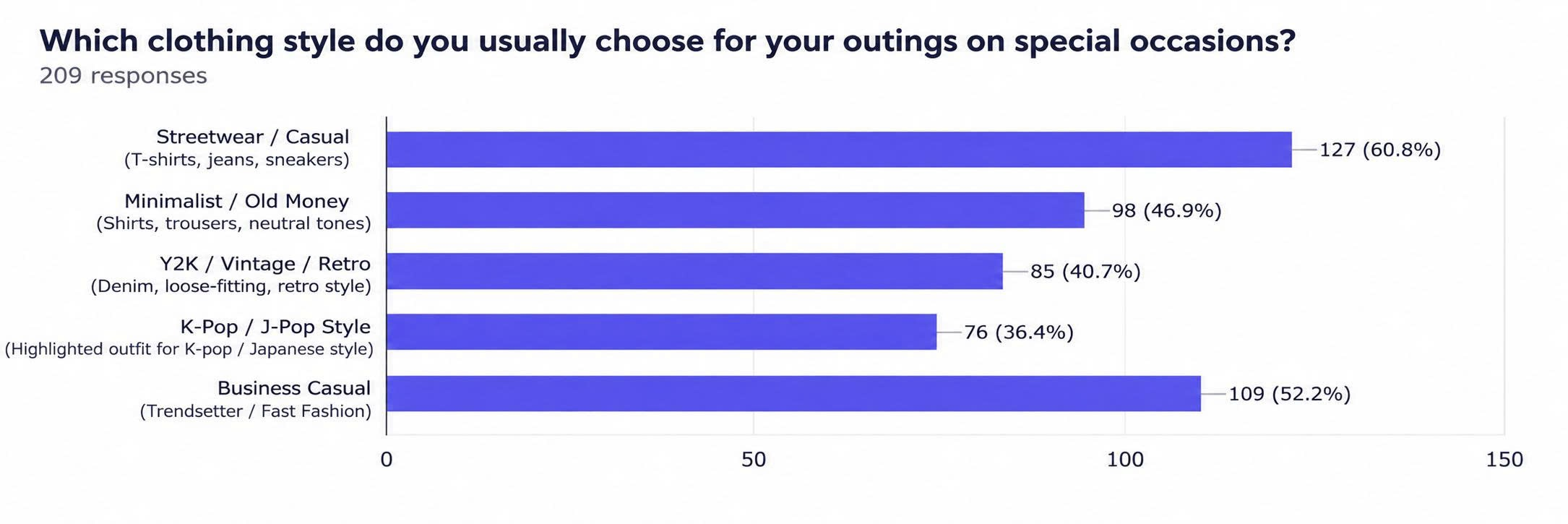
Source: Survey results
Survey data in Figure 2 shows that the Streetwear / Casual style (edgy, dynamic, comfortable) received the highest number of choices with 127 selections, accounting for 54.5% (or 60.8%). The trend of flexible adaptation to fashion trends (Trendsetter / Fast Fashion) ranked second with 109 selections, corresponding to 52.2%. The Minimalist / Old Money style (minimalist, elegant, luxurious) recorded 98 selections (46.9%), the Y2K / Vintage / Retro style attracted 85 selections (40.7%), and the K-Pop / J-Pop Style accounted for 76 selections (36.4%). The results reflect the diversity and flexibility in Gen Z's fashion aesthetics, as they do not fixate on a single style but instead favor comfort and high applicability combined with the ability to quickly adapt to new fashion trends.
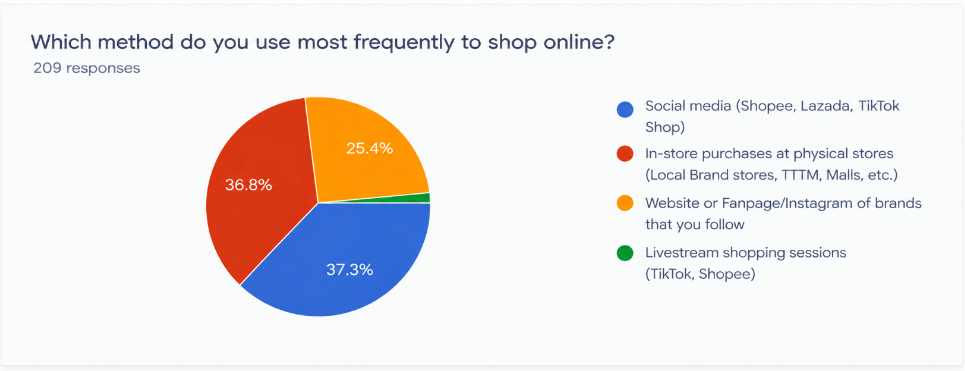
Source: Survey results
Based on the shopping channels shown in Figure 3, e-commerce platforms (Shopee, Lazada, TikTok Shop) are the most preferred channel with a rate of 37.3%. Direct in-store shopping (Local Brand stores, shopping malls, thrift markets) accounts for 36.8%. The brand's official website or fanpage/Instagram channel achieves a selection rate of 25.4%, while purchasing through livestream sessions accounts for only a very small proportion. This structure indicates a balance between intuitive online shopping via e-commerce applications and physical in-store experiences among Gen Z consumers.
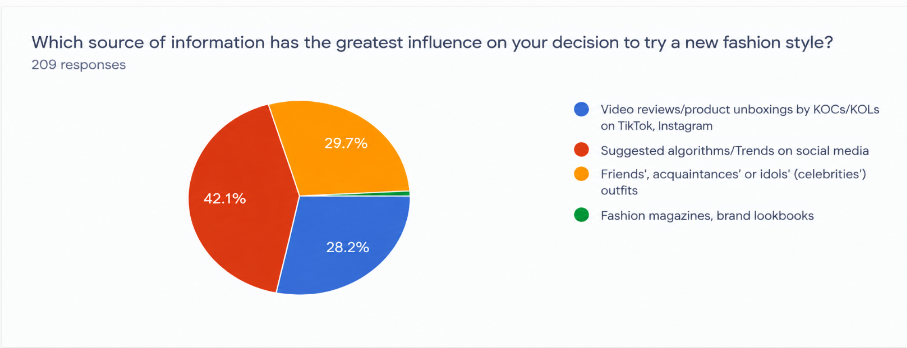
Source: Survey results
Figure 4 shows that recommendation algorithms and trends on social media play the role of the most influential information source, accounting for 42.1% of the surveyed subjects' decisions to try new styles. The attire of friends, surrounding people, or idols accounts for 29.7%, and review or styling videos by KOCs/KOLs on TikTok and Instagram platforms account for 28.2%. The overwhelming impact of social media content algorithms affirms the shaping role of the digital environment on Gen Z's fashion consumer behavior.
Source: Survey results
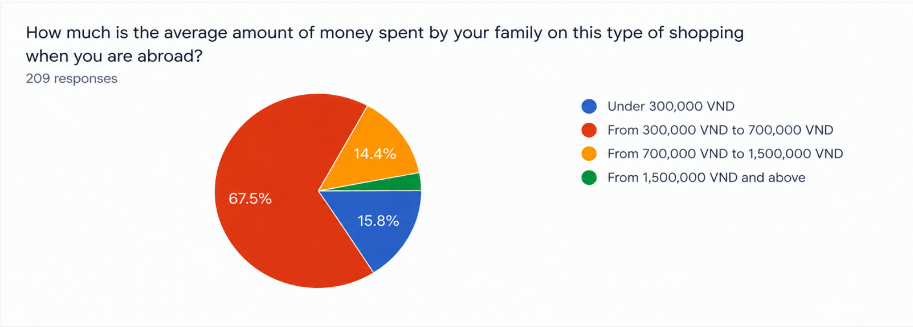
Data from Figure 5 shows that the spending range of 300,000 to under 700,000 VND per shopping trip accounts for an overwhelming proportion at 67.5%. The spending bracket of under 300,000 VND accounts for 15.8%, and the bracket from 700,000 to under 1,500,000 VND accounts for 14.4%, while the spending segment of 1,500,000 VND and above accounts for only a negligible percentage. This is entirely compatible with the actual income characteristics of the research sample, as the majority of respondents fall into the group with a moderate fashion shopping budget.
Source: Survey results
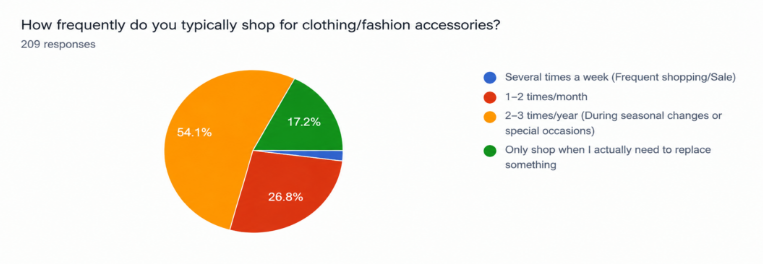
Regarding the consumption cycle shown in Figure 6, a shopping frequency of once every 2 to 3 months (usually during seasonal transitions or special occasions) is the most common at 54.1%. A shopping frequency of 1 to 2 times per month accounts for 26.8%, the group that only shops when genuinely needing replacements accounts for 17.2%, and the group shopping multiple times a week accounts for the lowest proportion. The data indicates that Gen Z's fashion shopping behavior is planned according to seasonal or event cycles, rather than being impulsive or a daily routine.
Source: Survey results
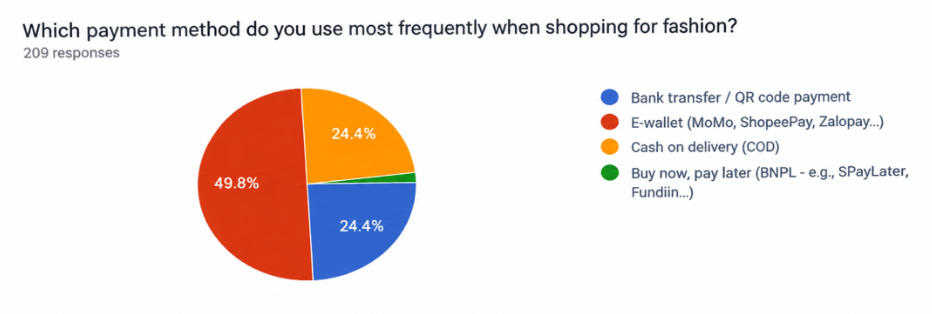
Data in Figure 7 indicates that e-wallets (such as Momo, ShopeePay, and Zalopay) are the preferred payment method, accounting for 49.8% of usage. Bank transfers/QR code scanning and cash on delivery (COD) share an equal share at 24.4% each. Meanwhile, the "Buy Now, Pay Later" (BNPL) method accounts for only a very small proportion. These results reflect the trend toward a cashless society and the widespread adoption of mobile payment platforms in the financial transaction habits of Gen Z.
4.3. Assessing factors influencing Gen Z's fashion purchasing behavior.
Stimulus Component (S) – Social Influence (SI)
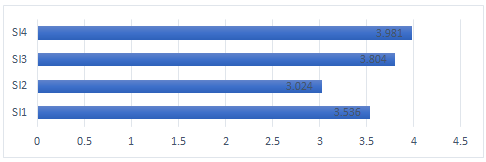
The research team's calculated results for the mean scores of the SI factor scales are presented in Figure 8:
Source: Survey results and calculations by the research team.
The Social Influence factor measures the impact of external agents on consumers' fashion decisions. The SI1 scale evaluates the level of consulting or imitating the dress styles of friends and people around; the mean score ranging from 2.61 to 3.40 reflects a moderate level of influence, which is not imposing. The SI2 scale examines the impact from suggestions and reviews of KOCs, KOLs, and influencers on social media; the mean value ranging from 3.41 to 4.20 affirms the strong orienting role of this group toward Gen Z's behavior. The SI3 scale measures the level of being influenced by trending trends on media platforms; scores ranging from 3.41 to 5.00 demonstrate sharpness and the tendency to comply with the general trends of the online community.
Subject Component (O) – Product awareness (AW, CK) and emotions – social values (PSV, EA)
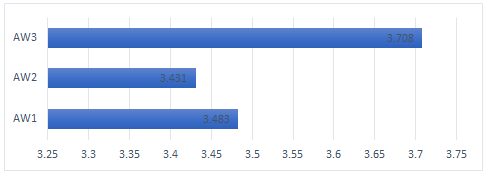
The research team's calculation results regarding the mean scores of the AW factor scales are presented in Figure 9:
Source: Survey results and calculations by the research team
The Fashion Product Awareness factor includes key scales measuring the level of reception and retention of brand information among Gen Z consumers. The AW1 scale assesses the ability to recognize names and logos of popular fashion brands in the market; when the mean value falls within the range of 3.41 to 4.20 or 4.21 to 5.00, this indicates that the surveyed subjects have a good level of brand retention. The AW2 scale focuses on the level of exposure to fashion information through social media channels; a mean score falling within the range of 3.41 to 4.20 reflects that Gen Z proactively and frequently receives information from digital platforms. The AW3 scale measures consumers' familiarity with newly emerged fashion collections or trends; when the score lies in the range of 2.61 to 3.40, it indicates an average level of awareness, whereas a score of 3.41 or higher affirms a high level of sensitivity of the respondents toward the market.
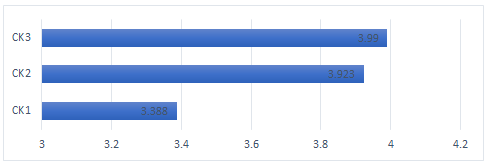
The research team's calculation results regarding the mean scores of the scales for the CK factor are presented in Figure 10:
Source: Survey results and calculations by the research team
The Perception of Fashion Product Characteristics factor reflects the in-depth understanding of the research subjects regarding the physical attributes of garments. The CK1 scale examines consumers' level of evaluation regarding fabric material and product durability; a mean score within the range of 3.41 to 4.20 shows that Gen Z places high expectations and attention on quality standards when considering products. The CK2 scale measures the understanding of designs, seams, and applied aesthetics; the result where the mean value reaches from 3.41 to 5.00 demonstrates the ability to clearly analyze design styles. The CK3 scale focuses on the awareness of versatility and the mix-and-match capability of clothing across various contexts; the maintenance of scores at a high threshold of 3.41 and above affirms that young consumers prioritize products with high flexibility.
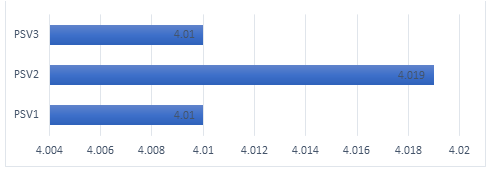
The research team's calculation results regarding the mean scores of the scales for the PSV factor are presented in Figure 11:
Source: Survey results and calculations by the research team
The Perception of Social Value of Clothing factor measures the role of fashion as a tool for self-expression and community connection. The PSV1 scale assesses the belief that clothing helps individuals express their unique personality and lifestyle; the mean value falling within the range of 3.41 to 5.00 indicates that Gen Z regards fashion as an important medium for shaping personal identity. The PSV2 scale examines consumers' level of confidence when wearing outfits that fit trends; scores in the range of 3.41 to 4.20 reflect the positive impact of fashion on the wearer's social psychological state. The PSV3 scale measures the perception of integration and acceptance from peer or colleague groups through dressing; if the mean score lies in the range of 2.61 to 3.40, it indicates that social recognition plays only a neutral role, without excessively dominating individual decisions.
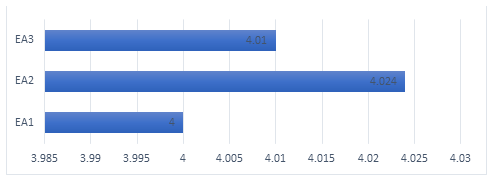
The research team's calculation results regarding the mean scores of the scales for the EA factor are presented in Figure 12:
Source: Survey results and calculations by the research team
The Emotional Awareness in Shopping factor reflects the positive psychological states arising during the search and ownership of fashion products. The EA1 scale measures the joy and excitement when discovering or selecting satisfactory fashion items; a mean value from 3.41 to 4.20 affirms that shopping activities bring significant mental value to Gen Z. The EA2 assessment evaluates the ability to relieve stress and improve mood through experiencing direct or online shopping spaces; a score reaching the threshold of 3.41 and above indicates that fashion shopping plays a role as a form of emotional entertainment. The EA3 scale examines satisfaction and the feeling of fulfillment after completing a shopping transaction; the mean score ranging from 3.41 to 5.00 demonstrates a high level of emotional connection between consumers and fashion consumption behavior.
Response Component (R) – Purchase Intention (PI) and Actual Purchase Behavior (PB)
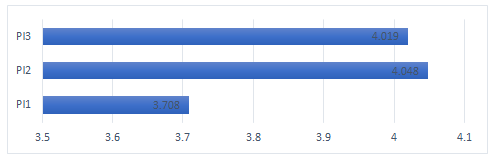
The research team's calculation results regarding the mean scores of the scales for the PI factor are presented in Figure 13:
Source: Survey results and calculations by the research team
The Purchase Intention of fashion products factor reflects the readiness to perform consumer behavior in the near future. The PI1 scale measures the consideration of prioritizing fashion products when a need arises; a mean value ranging from 3.41 to 4.20 indicates the formation of clear shopping intentions among consumers. The PI2 assessment evaluates the willingness to seek information and experience products at stores or e-commerce platforms; a score maintained at a high level of 3.41 and above affirms the proactiveness during the behavioral preparation stage. The PI3 scale examines the readiness to allocate a budget for suitable fashion products; a mean value within the range of 3.41 to 4.20 reflects a level of financial commitment compatible with the actual spending capacity of the research subjects.
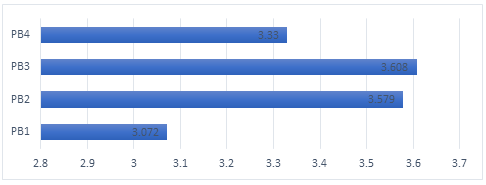
The research team's calculation results regarding the mean scores of the scales for the PB factor are presented in Figure 14:
Source: Survey results and calculations by the research team
The Fashion Purchase Behavior factor represents the actualization from intention into actual transactions. The PB1 scale assesses consumers' actual fashion shopping frequency over a specified period; a mean score falling within the range of 2.61 to 3.40 or 3.41 to 4.20 reflects a level of behavioral execution ranging from moderate to frequent. The PB2 scale measures the actual budget allocation for clothing compared to other personal needs; a mean value within the range of 3.41 to 4.20 shows that fashion accounts for a stable budget in daily living. The PB3 scale examines the willingness to maintain and repeat shopping behavior at familiar sales channels; a mean score from 3.41 to 5.00 affirms loyalty and stability in Gen Z's fashion consumption behavior.
5. Discussion and Implications
5.1. Key Research Findings
A survey of 209 Gen Z individuals in Vietnam shows that their fashion purchasing behavior is simultaneously influenced by the seven factor groups proposed in the research model: Fashion Product Awareness (AW), Perception of Fashion Product Characteristics (CK), Perception of Social Value of Clothing (PSV), Emotional Awareness in Shopping (EA), Social Influence (SI), Purchase Intention (PI), and Actual Purchase Behavior (PB). The mean scores for most scales fall within the range of agree (3.41 to 4.20) to strongly agree (4.21 to 5.00), reflecting positive awareness, emotions, intentions, and shopping behaviors of Gen Z toward fashion products. This result aligns with the S-O-R framework applied in this study: digital stimuli from social media content, trends, and influencer activities impact consumers' internal cognitive and emotional states, thereby forming purchase intentions and translating them into actual shopping behavior, which is consistent with the findings of Djafarova and Bowes (2021) on the role of social media stimuli in Gen Z's shopping behavior. Specifically, Social Influence (SI) acts as the Stimulus (S) component; the groups of product awareness, product characteristic perception, social value of clothing, and emotional awareness in shopping (AW, CK, PSV, EA) form the Organism (O) component—corresponding to Perceived Behavioral Control and Attitude in the TPB; while purchase intention and actual purchase behavior (PI, PB) constitute the Response (R) component—corresponding to Behavioral Intention and Actual Behavior in the TPB. This categorization helps to better illustrate the pathway from external stimuli to Gen Z's ultimate behavioral response.
Examining each factor group, the results indicate that Vietnamese Gen Z possesses a fairly high level of brand awareness and access to fashion information, primarily through recommendation algorithms and viral content on social media platforms, consistent with trends noted by Huynh and Cao (2026) as well as Hoang et al. (2023) when analyzing the online shopping behavior of this generation's students. Additionally, fashion is perceived by the surveyed subjects not only in terms of functionality but also as a medium for self-expression, social value, and personal emotion, as reflected by the relatively high mean scores in the PSV and EA scales; this finding reinforces the perspective of Etuk et al. (2022) regarding the role of social and cultural factors in shaping clothing selection decisions. Social influence factors, especially from peers, family, and social media influencers, continue to affirm their role in leading Gen Z's consumption trends, aligning with the results of Le et al. (2023) in emphasizing influencer trust as a direct predictor of shopping intention. Finally, the fairly strong relationship between purchase intention and actual purchase behavior in the survey results partly reflects the findings of Kang and Badal (2025), according to which for Gen Z students, positive attitudes and personal values tend to translate directly into actual consumer behavior.
Looking more closely at the scale level based on mean scores, the research findings show that the factor groups are not uniform in their degree of impact. First, within the Social Influence (SI) group, the SI2 scale (family influence) reached only 3.024—the lowest in the entire SI group and one of the lowest values in the entire survey—while SI1 (peer influence, 3.536), SI3 (social media, KOLs/KOCs, 3.804), and especially SI4 (community-promoted trends, 3.981) reached the agree to nearly strongly agree levels. This indicates that Gen Z's style-leading role has shifted markedly from the family to the digital space and online peer communities. Second, in the product perception group, the AW3 scale (trend and new collection updating level, 3.708) is the highest in the AW group, showing that Gen Z is highly sensitive to new trends; however, the CK1 scale (knowledge of fabric materials and product durability) reached only 3.388—significantly lower than CK2 (design and aesthetics, 3.923) and CK3 (versatility and coordination, 3.99)—implying that Gen Z is adept at recognizing styles and trends but remains limited in their understanding of fabric materials and product durability. Third, in the emotional and social value group (PSV, EA), all six scales fluctuate very closely within the range of 4.00 to 4.02, demonstrating that this is the group with the highest and most stable level of consensus in the entire model, affirming that self-expression value and positive emotions are powerful, consistent drivers among Gen Z. Fourth, most notably, the gap between trend awareness, purchase intention, and actual purchase behavior related to new product launches: although AW3 (trend sensitivity, 3.708) and SI3 – SI4 (social media influence, 3.804 to 3.981) are all at very high levels, the PB1 scale (shopping when a need or new collection arises, 3.072) and PB4 (shopping frequency increasing with promotions and social media trends, 3.33) are clearly lower than PB2 (steady budget spending, 3.579) and PB3 (purchasing from favorite brands, 3.608). In other words, Gen Z recognizes and is attracted by new trends very well, but actual shopping behavior reflects a tendency toward budget and familiar brand loyalty rather than immediate reactions to individual trends or promotions.
Compared to foundational studies used in the theoretical framework, the results of this study both reinforce and add several new aspects. The research reaffirms the central role of digital stimuli (social media content, influencers) in shaping Gen Z's fashion shopping behavior, matching the findings of Djafarova and Bowes (2021) as well as Huynh and Cao (2026), while showing that digital influence (SI3, SI4) has overwhelmingly surpassed traditional family influence (SI2) in this sample—a point of divergence from the central role of family typically emphasized in studies on East Asian consumer culture (Etuk et al., 2022). Concurrently, the finding regarding the gap between trend awareness and trend-following behavior (demonstrated by the discrepancy between AW3, SI3 – SI4 at very high levels and PB1, PB4 at moderate levels) shows that the transformation from awareness to behavior for Vietnamese Gen Z is not completely linear and simple as described by the ideal S-O-R model, but selective: Gen Z is ready to accept and highly appreciate new trends cognitively, but actual spending behavior still prioritizes stability (steady budgets, familiar brands). This finding is consistent with the perspective of Zhang et al. (2021) that good awareness does not automatically translate into behavior if specific supporting or prompting factors are lacking.
5.2. Managerial Implications for Fashion Businesses
Based on the results, the study proposes several managerial implications for fashion businesses in Vietnam to more effectively reach and exploit the Gen Z customer segment:
Implications Related to the Stimulus (S) Component – Social Influence (SI)
Since the majority of Gen Z's style and brand selection decisions are strongly influenced by recommendation algorithms and social media content (scales SI3 and SI4 achieving agree to nearly strongly agree levels), businesses need to systematically invest in digital content, especially short-form video formats on TikTok and Instagram, while cooperating with influencers based on criteria of credibility and style suitability rather than follower size, in order to optimize the conversion efficiency from positive attitudes to actual purchase behavior. In addition, although peer influence (SI1) remains at a moderate level (3.536) but lower than SI3 and SI4, businesses can additionally combine offline community activities and friend referral programs to increase the diffusion role of this close reference group. Specifically, since data shows that family influence (SI2, 3.024) is currently much lower than influence from friends (SI1, 3.536), social media/KOLs-KOCs (SI3, 3.804), and community trends (SI4, 3.981), fashion businesses should focus marketing resources on digital channels and peer communities instead of family-oriented communication forms which are less effective with this target group. Specifically, the following can be deployed: (i) "group buying" programs or referral codes among friends to exploit the role of SI1; (ii) cooperation with influencers according to a tiered model (nano – micro – macro influencer), prioritizing the high-credibility nano/micro group to maximize the effect of SI3; (iii) building content tied to "community trends" (challenges, outfit coordination challenges following trends) to further consolidate the advantages already existing in SI4, while additionally considering content with family-binding features (e.g., holidays, gifts) as a supplementary channel rather than the main channel.
Implications Related to the Organism (O) Component – Product Awareness (AW, CK) and Emotional – Social Value (PSV, EA)
For the product awareness group (AW, CK), since survey results show that brand awareness and information accessibility are at a fairly high level but deep understanding of materials, designs, and applicability (CK1 – CK3) only stops at the medium to good threshold, fashion businesses need to invest in instructional content such as videos introducing fabric materials, production processes, guides on coordinating outfits according to individual styles, and catalogs clearly describing product characteristics on e-commerce platforms. Enhancing this level of understanding is the foundation to transform awareness into positive attitudes in the next stage. Notably, data shows that Gen Z is very sensitive to new trends (AW3 reaches 3.708 – the highest in the AW group), therefore businesses do not need to prioritize additional investment for "trend announcement" but should leverage this sensitivity by shortening the time from when a trend appears to when products are on shelves, for example applying small-batch fast production models. Conversely, the point that truly needs improvement lies in the CK1 scale (knowledge of fabric materials, product durability, reaching only 3.388 – significantly lower than CK2 and CK3): businesses should supplement technical information about materials (fabric composition, color fastness, care instructions) right on the product page and in social media content, in easily accessible forms such as short videos or infographics, to fill this understanding gap before customers make purchase decisions.
Regarding the emotional – social value group (PSV, EA), because fashion for Gen Z is associated with self-expression values and positive emotional states, businesses should focus on personalizing the shopping experience, building brand stories associated with the personality and lifestyle of youth, and communicating transparently if pursuing sustainable positioning, to avoid being perceived as having signs of greenwashing, a factor proven by Do et al. (2025) to significantly reduce young consumers' purchase intentions. Notably, all six scales of PSV and EA achieve very high and uniform mean scores (around 4.00 – 4.02), businesses should view this as a solid emotional – value foundation to maintain instead of focusing resources on improvement. Specifically, this advantage can be maintained through: (i) limited-edition or personalized product lines to continue consolidating self-expression values (PSV); (ii) designing entertaining shopping experiences such as minigames, virtual try-ons, or check-in spaces to maintain the positive emotional values (EA) recorded at high levels.
Implications Related to the Response (R) Component – Purchase Intention (PI) and Actual Purchase Behavior (PB)
Gen Z's common spending structure is concentrated at 300,000 – 700,000 VND per purchase and a shopping cycle of about 2 – 3 months once, suggesting that businesses should build product strategies towards launching small-scale collections, updated frequently by season and events, accompanied by price levels matching the affordability of young middle-income customers. Regarding distribution channels, businesses need to simultaneously maintain presence on e-commerce platforms such as Shopee, Lazada, TikTok Shop and direct store systems, while integrating diverse cashless payment methods, especially e-wallets, to suit Gen Z's transaction habits. Especially, data shows that the PB1 scale (shopping when a need or new collection arises, 3.072) and PB4 scale (shopping frequency increasing with promotions and social media trends, 3.33) are clearly lower than PB2 (steady budget spending, 3.579), PB3 (purchasing from favorite brands, 3.608) and especially much lower than the very high trend awareness level in AW3 and SI3 – SI4. This shows that although Gen Z recognizes and is excited by new trends and promotions, they have not fully translated this into action to buy immediately when the trend appears. To narrow this gap, businesses should minimize barriers at the final stage of the shopping process when trends or new promotions arise, such as: simplifying the checkout process by reducing the number of checkout steps, deploying flexible return policies and allowing try-before-buy to reduce perceived risk, as well as using personalized push notifications at the exact moment trends or promotions appear to convert transient excitement into purchase action before interest in the product diminishes. Third, because fashion for Gen Z is associated with self-expression value and social value, businesses should focus on personalizing the shopping experience, building brand stories associated with youth personality and lifestyle, and communicating transparently if pursuing sustainable positioning, to avoid being perceived as having signs of greenwashing, a factor proven by Do et al. (2025) to significantly reduce young consumers' purchase intentions. Finally, businesses can exploit Gen Z's tendency to be ready to share and recommend products to others by developing loyalty programs, brand communities, and referral mechanisms, thereby taking advantage of natural word-of-mouth effects within peer groups to expand the customer base.
Conclusion
The study has systematized the theoretical foundation of fashion consumer behavior based on combining the S-O-R model and the Theory of Planned Behavior (TPB), while empirically surveying 209 subjects belonging to Generation Z in Vietnam to clarify information access channels, style shaping processes, and factors affecting the fashion shopping behavior of this target group. Research results show that the Streetwear/Casual style clearly dominates in Gen Z's choices, e-commerce platforms and social media play the role of primary information access and shopping channels, while spending levels and shopping frequencies associated with income characteristics are still limited for the surveyed subjects. At the same time, the seven factor groups of product awareness, perception of product characteristics, social value of clothing, emotional awareness when shopping, social influence, purchase intention, and purchasing behavior are all recorded to have impacts at the level from agree to strongly agree, thereby affirming the guiding role of psychological, social, and digitized environment factors on the fashion consumption behavior of Generation Z in Vietnam. On that basis, the study has proposed a number of specific managerial implications related to digital communication strategies, product policies, pricing, distribution channels, and brand value building to support domestic fashion businesses in more effectively reaching this potential customer segment. Finally, because Gen Z exhibits a relatively high level of readiness to share and recommend products to others, businesses can exploit this trend by developing loyalty programs, brand communities, and referral mechanisms, thereby taking advantage of natural word-of-mouth effects within peer groups to convert purchase intentions into repeat purchase behaviors and expand new customer pools. Businesses can also apply tiered loyalty programs, in which shopping frequency (PB1, PB4) and friend referral value are converted into reward points or incremental benefits, both directly encouraging the frequency of shopping according to rising trends and further consolidating social diffusion effects.
Limitations of the Study and Directions for Future Research
Besides the aforementioned contributions, the study still has certain limitations. The convenience sampling method combined with the snowball technique helps ensure the necessary sample size but lacks high representation for the entire Generation Z population in Vietnam, therefore the ability to generalize the research results to a broader scope is limited. The cross-sectional research design with self-reported data also harbors potential biases due to respondents' subjective perceptions, and does not yet allow establishing clear causal relationships among factors in the model. In addition, the study only stops at calculating and describing the mean scores of the scales without fully exploiting the capabilities of SmartPLS software in testing reliability, convergent validity, discriminant validity, and impact relationships among variables according to the structural equation modeling. From the above limitations, future research can expand the scale and representativeness of the survey sample through probability sampling methods, fully apply Partial Least Squares Structural Equation Modeling (PLS-SEM) to test hypotheses and impact relationships among variables, and can deploy longitudinal research or directions comparing different generations and geographic regions to increase the generalization value and practical application of research results.
References
- Ajzen, I. (1991). The theory of planned behavior. Organizational Behavior and Human Decision Processes. DOI ↗ Google Scholar ↗
- Canifa.com (2023). Thời trang là gì? Vai trò của thời trang trong cuộc sống hiện đại. DOI ↗ Google Scholar ↗
- Djafarova, E., & Bowes, T. (2021). "Instagram made me buy it": Generation Z impulse purchases in fashion industry. Journal of Retailing and Consumer Services, 59, Article 102345. DOI ↗ Google Scholar ↗
- Do, A. D., Ha, D. L., Phan, T. T. L., Bui, T. M., Le, T. B. N., Tran, M. N., & Dang, D. Q. (2025). Antecedents of Gen Z’s green purchase intention in Vietnam’s fashion industry with the moderating role of greenwash perception. PLoS One, 20(5), Article e0324923. DOI ↗ Google Scholar ↗
- Eroglu, S. A., Machleit, K. A., & Davis, L. M. (2001). Atmospheric qualities of online retailing: A conceptual model and implications. Journal of Business Research, 54(2), 177–184. DOI ↗ Google Scholar ↗
- Etuk, A., Anyadighibe, J. A., James, E. E., & Ukpe, M. U. (2022). Sociological factors and consumer buying behaviour towards fashion clothing. International Journal of Applied Research in Social Sciences, 4(2), 21–34. DOI ↗ Google Scholar ↗
- Gurnani, K., & Gupta, N. (2023). Factors affecting consumer behaviour in Indian fashion retail industry: A study of recent trends and preferences. International Journal for Multidisciplinary Research, 5(3), 120–135. DOI ↗ Google Scholar ↗
- Hoang, N. T. H., Le, N. S., & Nguyen, Q. C. (2023). Factors affecting Gen Z's mobile application-based fashion shopping behavior in Ho Chi Minh City. Journal of Science and Technology, (66), 56-72. DOI ↗ Google Scholar ↗
- Huynh, T. L. Q., & Cao, T. S. (2026). Factors affecting online fashion shopping decisions of Gen Z students belonging to the Faculty of Economics and Business Administration, An Giang University. Dong Thap University Journal of Science, 15(9), 1-17. DOI ↗ Google Scholar ↗
- Jacoby, J. (2002). Stimulus-Organism-Response reconsidered: An evolutionary step in modeling (consumer) behavior. Journal of Consumer Psychology, 12(1), 51–57. DOI ↗ Google Scholar ↗
- Kang, J. H., & Badal, C. (2025). Gen Z college students’ fashion consumption paradox: Sustainable vs. fast fashion. Fashion and Textiles, 12, Article 35. DOI ↗ Google Scholar ↗
- Lawan, L., & Zanna, R. (2013). Evaluation of socio-cultural factors influencing consumer buying behaviour of clothes in Borno State, Nigeria. International Journal of Basic and Applied Science, 1(3), 519–529. DOI ↗ Google Scholar ↗
- Le, N. B. M., Vo, H. Y., & Pham, Q. D. (2023). The impact of influencers on the purchase intention of youth (Gen Z) in the fashion sector in Ho Chi Minh City. HCMCOUJS - Economics and Business Administration, 18(5), 100–114. DOI ↗ Google Scholar ↗
- Mehrabian, A., & Russell, J. A. (1974). An approach to environmental psychology. MIT Press. Google Scholar ↗
- Ngo, T. T. A., Vo, C. H., Tran, N. L., Nguyen, K. V., Tran, T. D., & Trinh, Y. N. (2024). Factors influencing Generation Z’s intention to purchase sustainable clothing products in Vietnam. PLoS One, 19(12), Article e0315502. DOI ↗ Google Scholar ↗
- Septiana, N., Kumenaung, D. S. A., Faruqi, F., & Hendryadi. (2026). Social influence, self awareness, and social media in sustainable fashion purchase intention as far as the eye sees Generation Z: The role of perceived value. Journal of Accounting, Management and Economics Research, 4(2), 71–82. DOI ↗ Google Scholar ↗
- Zhang, B., Zhang, Y., & Zhou, P. (2021). Consumer attitude towards sustainability of fast fashion products in the UK. Sustainability, 13(4), Article 1646. DOI ↗ Google Scholar ↗